





As the crisp winter air settles across India, it signals the perfect time for nature lovers to explore the country's magnificent wildlife parks. This season offers clear skies, pleasant days, and unparalleled chances to see animals in their element.
Why Winter is the Best Time for a Safari
Winter,
spanning from November to February, is widely regarded as the prime season for wildlife tourism in India. The oppressive heat of summer subsides, replaced by comfortable daytime temperatures perfect for long jeep safaris. Animals, especially mammals like tigers, are often more active during the day, frequently seen basking in the sun to warm up. Furthermore, the vegetation thins out after the monsoon, significantly improving visibility and increasing the chances of spotting elusive creatures. This season is also a delight for birdwatchers, as a multitude of migratory species arrive, adding vibrant colour and activity to the parks' ecosystems.
Ranthambore National Park, Rajasthan
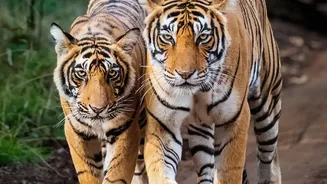
Famous for its majestic Bengal tigers set against the backdrop of a 10th-century fort, Ranthambore is a photographer's dream in winter. The cool, dry weather makes safaris enjoyable, and tigers are often more visible as they roam the open terrain or relax in the gentle winter sun near the park's iconic lakes. With the post-monsoon greenery still lush and the light golden, the landscape is stunning. Besides tigers, you have a good chance of spotting leopards, sloth bears, sambar deer, and marsh crocodiles. The park's lakes also attract a significant number of migratory birds during this season, making it a comprehensive wildlife destination.
Jim Corbett National Park, Uttarakhand
India's oldest national park, Jim Corbett, is magical in winter. The crisp air and misty mornings create an atmospheric experience, whether you are on a jeep or canter safari. The cooler temperatures mean wildlife, including the Royal Bengal tiger and herds of elephants, are more active during the day. The park's diverse terrain, from dense forests to open grasslands, offers varied viewing opportunities. The Dhikala zone, which opens in November, is particularly famous for its vast grasslands and elephant sightings. Winter is also the best time for birding in Corbett, with over 600 resident and migratory species making it a vibrant hotspot for avian enthusiasts.
Kaziranga National Park, Assam
Winter is the ideal and essential time to visit this UNESCO World Heritage Site, as the park remains closed during the monsoon floods. Kaziranga is globally renowned for hosting the world's largest population of the Indian one-horned rhinoceros. In winter, the pleasant weather and accessible terrain make for excellent jeep and elephant safaris. The receding floodwaters concentrate animals in the grasslands and near water bodies, leading to fantastic sightings of rhinos, elephants, wild water buffalo, and swamp deer. The season also marks the arrival of migratory birds, turning the park's wetlands into a birdwatcher's paradise.
Periyar National Park, Kerala
For those seeking a southern wildlife experience, Periyar in Kerala offers a unique winter retreat. The weather is delightful, with temperatures staying pleasant throughout the day. The park is famous for its boat safaris on the scenic Periyar Lake, which provide excellent opportunities to see herds of elephants, gaur, and sambar deer along the banks. While tiger sightings are rarer due to the dense forest, the park is rich in other fauna, including the Nilgiri langur and the lion-tailed macaque. The lush greenery, combined with the calm waters of the lake and a high diversity of birdlife, makes for a serene and memorable nature experience.
Essential Tips for a Winter Safari
To make the most of your winter wildlife adventure, a little preparation goes a long way. Book your safaris and accommodations well in advance, as this is a popular tourist season. Dress in layers; early morning safaris in an open jeep can be very cold, but it warms up as the sun rises. Neutral-coloured clothing like beige, green, and brown is recommended. Don't forget to carry essentials like binoculars for better viewing, a camera, sunscreen, and a warm cap or gloves. Most importantly, listen to your guide, maintain silence, and respect the wilderness to ensure a safe and rewarding experience for both you and the animals.