


The Kinnaur & Sangla Valley Circuit, Himachal Pradesh
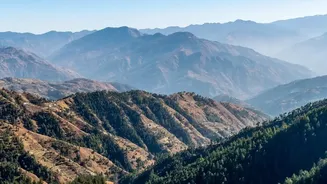
For a road trip that feels like a true expedition into the high Himalayas, the circuit through Kinnaur is unmatched. This path takes you far from the commercial buzz of popular hill stations into a land of dramatic landscapes and a unique cultural blend
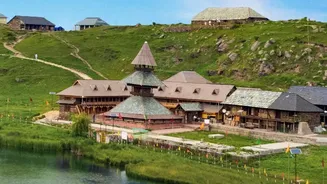
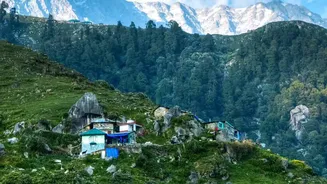
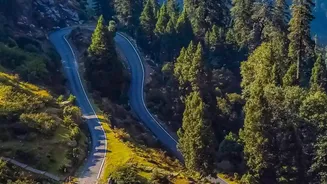
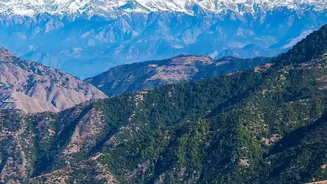
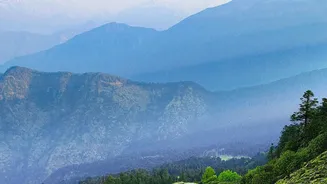
of Hinduism and Buddhism. Starting from Shimla, the road winds along the Sutlej river, passing through towns like Narkanda and Sarahan before entering the majestic Kinnaur district. The drive to Sangla Valley, nestled in the Baspa River basin, is a journey into profound quietude. The valley is dotted with quaint villages like Rakcham and Chitkul, the latter being the last inhabited village near the Indo-Tibetan border. The focus here is slow travel: walking through apple orchards, visiting ancient temples like the Kamru Fort, and simply absorbing the views of snow-capped peaks like Kinner Kailash from Kalpa. This route is for those who seek solitude and a deep connection with nature, where the journey itself is the primary experience.
The Tirthan Valley Escape, Himachal Pradesh
If your idea of serenity involves a crystal-clear river, quaint wooden cottages, and dense pine forests, Tirthan Valley is your destination. Often called one of Himachal's best-kept secrets, this valley is part of the Great Himalayan National Park's ecozone, making it a haven for nature lovers. The main road trip route starts after taking a turn before the Aut tunnel on the Manali highway. The drive leads you to riverside hamlets like Gushaini, Nagini, and Jibhi. Unlike heavily commercialized areas, Tirthan promotes a quieter form of tourism centred around homestays, trout fishing, and nature walks. You can trek to the Jibhi waterfall, drive up to Jalori Pass for breathtaking views, or hike to Serolsar Lake. The constant sound of the Tirthan River and the absence of large crowds make it an ideal place for a mindful retreat, allowing you to disconnect from the chaos and reconnect with a simpler pace of life.
The Chopta & Mandal Valley Path, Uttarakhand
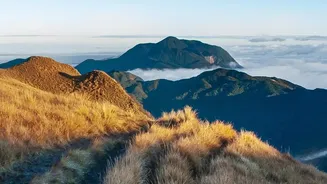
Often called the 'Mini Switzerland of India', Chopta offers a blend of spiritual journey and pristine natural beauty. Located in the Kedarnath Wildlife Sanctuary, this region is a paradise of alpine meadows, known as 'bugyals', and dense rhododendron forests. The main road connects from cities like Rishikesh and Haridwar, leading up to the serene hamlet of Chopta. This serves as the base for the trek to Tungnath, the world's highest Shiva temple, a journey on a well-paved path that takes about two to three hours. From Tungnath, a further climb leads to Chandrashila Peak, which offers a stunning 360-degree panorama of Himalayan giants like Nanda Devi and Chaukhamba. For a truly offbeat experience, a short drive from Chopta into the Mandal valley reveals an even quieter side of Garhwal, rich in birdlife and untouched forests. This path is perfect for those who find peace in trekking and spiritual reflection, far from any urban clamour.
The Quiet Valleys of Kashmir: Lolab & Doodhpathri
While Kashmir is famous, many of its most serene corners remain blissfully off the main tourist grid. For a road trip focused on pastoral beauty and quiet contemplation, exploring valleys like Lolab and Doodhpathri offers a different perspective. Lolab Valley, located in North Kashmir, is described as a place that 'whispers beauty' with its rolling fields, apple orchards, and calm villages. It's a drive of about 25 kilometres through a landscape that encourages slow, immersive travel. Doodhpathri, the 'Valley of Milk', is a stunningly beautiful meadow just 42 km from Srinagar but feels worlds away from the city's bustle. Its wide-open grasslands and the meandering Doodhganga river create a perfect setting for a peaceful day trip. These destinations offer a glimpse into a quieter, more authentic Kashmir, where the main attractions are the silence, the pristine scenery, and the gentle pace of village life. For those willing to venture a bit further, Gurez Valley offers an even more remote and untouched experience, though it requires more planning.