





Bad weather, tight schedules, or safety concerns can make outdoor walks impossible. But staying active doesn't require going outside. Indoor walking is a simple, powerful way to get your steps in from the comfort and safety of your own home.
The Undeniable Benefits of Walking Indoors
Walking is
a celebrated low-impact exercise for good reason. It improves cardiovascular health, helps manage weight, strengthens bones and muscles, and boosts your mood. When you bring that workout indoors, you gain even more advantages. You get a controlled, safe environment, free from uneven pavement, traffic, or bad weather. This consistency makes it easier to stick to a routine. Whether you have a treadmill or just a small patch of clear floor in your living room, you can reap significant health benefits. Indoor walking can lower blood pressure, reduce the risk of type 2 diabetes, and improve sleep. It's a convenient, accessible option for everyone, from beginners to seasoned fitness enthusiasts.
Getting Started: The Basic Moves
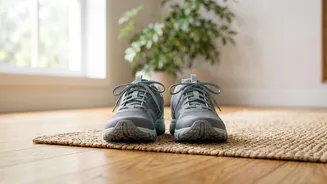
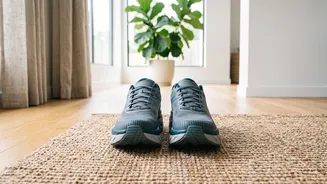
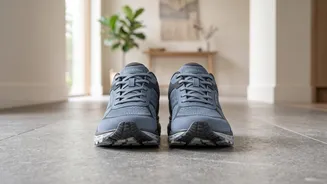
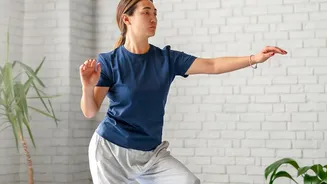
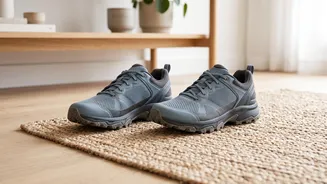
You don't need fancy equipment to start an indoor walking routine. All you need is a little space and a pair of supportive shoes. The foundation of any at-home walking workout is marching in place. Stand tall with your feet hip-width apart, keep your core engaged, and lift your knees alternately while swinging your opposite arms, just as you would on a normal walk. Once you're comfortable, you can incorporate other simple movements. Try step-touches by stepping to one side and bringing your other foot to meet it. Or add tap-backs, where you keep your chest up and alternately tap one foot behind you. If you have a long hallway, you can walk laps. Even walking up and down a staircase can add a new level of intensity.
How to Beat the Boredom
The biggest challenge of indoor workouts can be monotony. The key is to keep your mind and body engaged. The easiest way to do this is with entertainment. Listen to an energizing playlist, a captivating podcast, or an audiobook. You can also set up your phone or TV to watch a show or follow along with a virtual walking video that takes you through scenic landscapes. Another powerful strategy is to introduce intervals. Instead of walking at the same pace for 30 minutes, break it up. Walk briskly for one minute, then at a slower pace for one minute, and repeat. This not only makes the time fly by but also boosts the cardiovascular benefits of your workout.
Amplify Your At_Home Walk
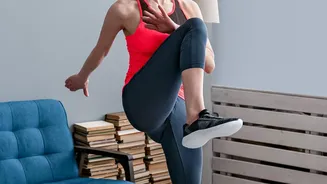
When you're ready to take your indoor walk to the next level, there are many ways to increase the challenge. Incorporating different movements can work more muscles and make your routine more dynamic. Try adding high_knee marches, heel taps, or even backward walking, which challenges your balance and coordination. Including upper_body movements like bicep curls, overhead presses, or arm punches while you march turns your walk into a full_body workout. If you have them, you can carry light hand weights to add resistance. For those with a treadmill, experimenting with the incline is a fantastic way to increase intensity without having to speed up. Even small changes, like combining walking intervals with a few bodyweight strength exercises like squats, can make a huge difference.
A Sample 15_Minute Beginner Routine
Ready to get started? Here’s a simple routine you can do today. Remember to stand tall and keep your core engaged throughout.
Warm_up (3 minutes): March in place at a slow, easy pace. Roll your shoulders forward and back.
Main Set (10 minutes):
- 2 minutes of brisk marching. Pick up the pace so you're slightly breathless.
- 2 minutes of step_touches from side to side.
- 2 minutes of high knees, lifting them as high as is comfortable.
- 2 minutes of tap_backs, alternating legs.
- 2 minutes of brisk marching to finish strong.
Cool_down (2 minutes): Return to a slow march. End with some gentle stretches for your legs, especially your calves and hamstrings.