



The Reality of Kyoto’s Bamboo Grove
The Arashiyama Bamboo Grove in Kyoto is one of Japan's most photographed scenes. The image of towering, emerald-green stalks filtering the sunlight is iconic. However, many visitors are surprised to find the main path is much shorter than expected and
often packed with people from sunrise to sunset. The dense crowds can make it difficult to experience the tranquil, immersive walk you might be hoping for, turning a moment of zen into a shuffle through a queue of selfie sticks. While beautiful, the experience can feel rushed and underwhelming if you arrive at a peak time.
Alternative: A Quieter Bamboo Walk
For a more peaceful bamboo experience, consider visiting Adashino Nenbutsu-ji, a temple also in the Arashiyama area but a bit of a walk from the main tourist hub. It features a beautiful, dense bamboo grove lining a stone staircase, but with a fraction of the visitors. Another excellent choice is the Take-no-Michi, or 'Bamboo Path', located just outside Kyoto. This 1.8-kilometer trail offers a much longer and more immersive walk, allowing you to enjoy the rustling bamboo without the pressure of a major tourist corridor. For those who want bamboo integrated into a serene temple setting, Jizo-in, also known as the 'Bamboo Temple', is a quiet and refined alternative.
The Famous Golden Pavilion
Kinkaku-ji, Kyoto's Golden Pavilion, is stunning. Its top two floors are covered in gold leaf, creating a breathtaking reflection in the surrounding pond. However, it's essential to know what to expect: you cannot go inside the pavilion. The visit consists of viewing it from across the water along a one-way path that can get extremely crowded, especially midday. Many travellers find the experience to be a short, 30-minute photo stop rather than an immersive temple exploration, which can feel impersonal and rushed.
Alternative: An Immersive Temple Experience
If you're looking for a more interactive and less crowded temple experience, consider Enko-ji Temple in northeastern Kyoto. It offers stunning gardens, including a moss garden and a small hill with a beautiful view of the city, that you can explore at your own pace. Another option is Daitoku-ji, a large, walled complex of multiple sub-temples, several of which are open to the public. It offers deep history and beautiful Zen gardens but sees far fewer tourists, allowing for a more personal and contemplative visit.
Tokyo's Iconic Shibuya Crossing
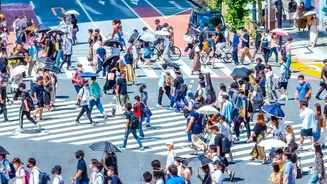
The Shibuya Scramble Crossing is a symbol of modern Tokyo, a dizzying, exciting confluence of humanity and neon. While impressive to watch for a few light changes, the experience itself can be overwhelming. For some, it's just a very busy intersection, and once the novelty wears off, there isn't much to 'do' except navigate the dense crowds. If you're not interested in the surrounding department stores or battling for a photo spot, you might find it more chaotic than captivating.
Alternative: Authentic Tokyo Neighbourhoods
To experience Tokyo's vibrant energy without the crush of a major tourist hub, explore a neighborhood like Shimokitazawa. Just a few train stops from Shibuya, it's an artsy area with narrow streets, vintage clothing shops, cozy cafes, and a more relaxed, local vibe. Another great choice is Yanaka, which offers a glimpse of old Tokyo. Its traditional shopping street, Yanaka Ginza, has a retro feel with no neon, and the nearby cemetery becomes a peaceful park for cherry blossoms in the spring. These areas provide a more authentic slice of daily life in the city.