





Understanding Your Body's Hidden Engine: NEAT
The key to unlocking a more active workday lies in a concept called Non-Exercise Activity Thermogenesis, or NEAT. It sounds complicated, but it's simple: NEAT is the energy you burn doing everything except sleeping, eating, or formal exercise. This includes
daily activities like walking to a colleague’s desk, doing chores, fidgeting in your chair, and even just standing. While each action seems minor, their cumulative effect on your metabolism and daily calorie burn is significant. For many people, especially those in sedentary jobs, NEAT is the most variable and important component of their daily physical activity. Increasing it is a powerful way to improve metabolic health and counteract the negative effects of prolonged sitting.
The Standing Desk Solution
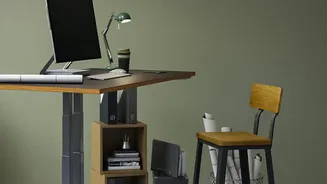
One of the most popular tools for boosting NEAT in the office is the standing desk. The maths is straightforward: standing burns more calories than sitting. While the exact number varies, studies show standing can burn roughly 100-200 calories per hour, compared to 60-130 calories while sitting. Over a full workday, those extra calories add up. But the benefits go beyond simple calorie expenditure. Using a standing desk encourages more subtle movements throughout the day. You’re more likely to shift your weight, stretch, or pace briefly while thinking. This small shift in mindset from static sitting to active standing engages your muscles and can lead to bursts of energy and improved posture.
Take the Stairs: An Overlooked Opportunity
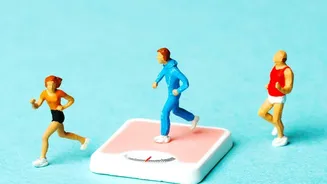
The elevator is convenient, but the stairwell is a free, built-in fitness tool. Climbing stairs is a surprisingly intense activity that burns more calories than jogging and uses about seven times more energy than taking an elevator. Because you are working against gravity, it quickly raises your heart rate, providing a mini-cardio session that benefits your heart and lung health. This activity also strengthens your entire lower body—including glutes, thighs, and calves—and helps improve bone density. You don’t need a structured plan; simply opting for the stairs for trips of three floors or less can make a substantial difference over time. Even a few minutes of stair climbing a day has been linked to a significantly lower risk of heart attack.
More Ways to Weave in Movement
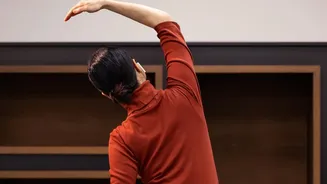
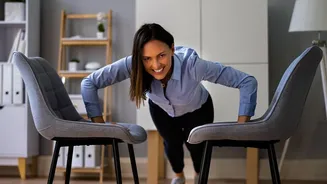
Standing desks and stairs are excellent starting points, but any movement is good movement. The goal is to break up long periods of sitting as often as possible, ideally every 30 minutes. Consider incorporating other NEAT-boosting habits into your workday. Pace around your office or home while taking phone calls. Instead of sending an email to a nearby colleague, take a short walk to their desk. Set a reminder to stand up and stretch every hour. Even fidgeting—tapping your feet or shifting in your chair—contributes to your daily energy expenditure. Using a smaller water bottle can also be a clever trick, as it forces you to get up for refills more frequently throughout the day.