




Wool is winter's best friend: warm, breathable, and timeless. But the fear of shrinking a favourite sweater keeps many from enjoying it fully. Proper care is simpler than you think and can make your woollens last a lifetime. Here’s how.
The Gentle Art of Washing
The golden rule
of wool care is to wash less. Wool is naturally odour and stain-resistant, and often, simply airing out a garment is enough to refresh it. When a wash is truly needed, always check the care label first. If it says 'machine washable', use the wool or delicates cycle with cold water (no hotter than 30°C) and a low spin speed to prevent damage. For handwashing, submerge the garment in lukewarm water with a mild, wool-specific detergent. Let it soak for about 10 minutes, gently squeezing the suds through the fabric. Avoid harsh rubbing or wringing, which can cause the fibres to felt and shrink. Rinse twice, first with lukewarm water and then with cold, to gently clean the fibres.
Drying Without Disasters
Heat is the primary enemy of wool's shape and size. Never put wool clothing in a tumble dryer, as the high heat will cause irreversible shrinkage. The best method is to gently squeeze out excess water after washing—do not wring it out. Lay the garment on a thick, dry towel, reshape it to its original dimensions, and roll the towel up like a Swiss roll to absorb more moisture. Afterwards, unroll it and lay the garment flat on a fresh, dry towel or a mesh drying rack. Keep it away from direct sunlight or heat sources, which can cause yellowing or damage. Never hang a wet wool sweater, as the weight of the water will stretch the fibres and pull it out of shape.
Smart Storage for Longevity
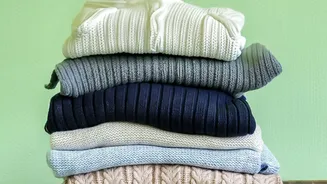
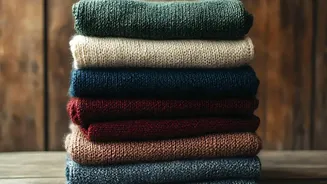
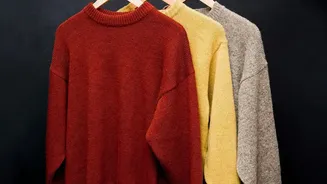
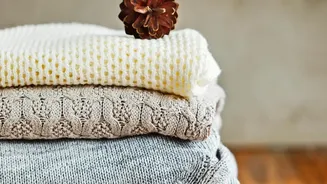
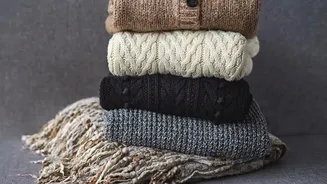
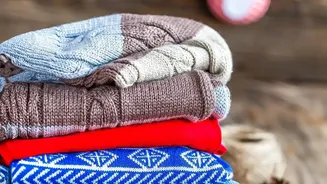
How you store your woollens is just as important as how you wash them. The number one rule is to fold, not hang. Hanging sweaters, especially heavier knits, will cause the shoulders to stretch and distort over time. For long-term storage, ensure garments are completely clean and dry. Moths are attracted to dirt and body oils left on fabric. Store your folded items in breathable cotton or linen bags, or in a cedar chest. Avoid sealing them in plastic bags for long periods, as plastic can trap moisture and lead to musty smells. For added protection against moths, use natural repellents like cedar blocks or dried lavender sachets.
Dealing with Pilling and Pests
Pilling—those tiny, fuzzy balls that appear on the surface of knits—is a common issue caused by friction. It's not a sign of poor quality, but it can be unsightly. To remove pills, lay the garment flat and use a purpose-built tool like a fabric shaver, sweater comb, or a sweater stone. Gently glide the tool over the fabric in one direction. If you suspect a moth infestation, immediate action is key. You can freeze your woollens by sealing them in a bag and placing them in the freezer for about a week to kill any larvae or eggs. Washing at a high temperature of at least 49°C can also be effective, but this is risky and may damage the garment, so it should be a last resort. Regular cleaning and proper storage are the best preventative measures.