


An Unlikely, Perfect Union
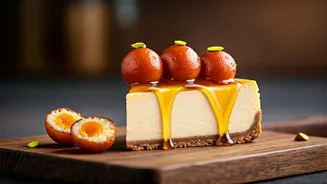
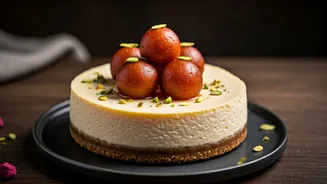
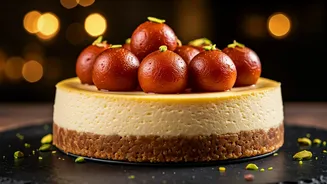
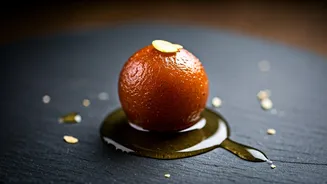
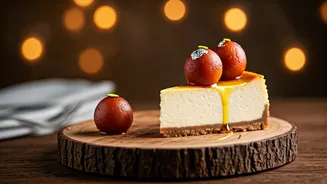
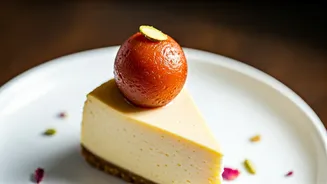
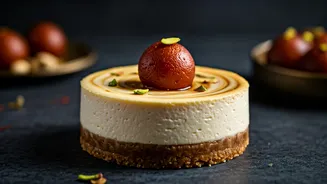
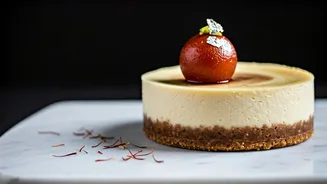
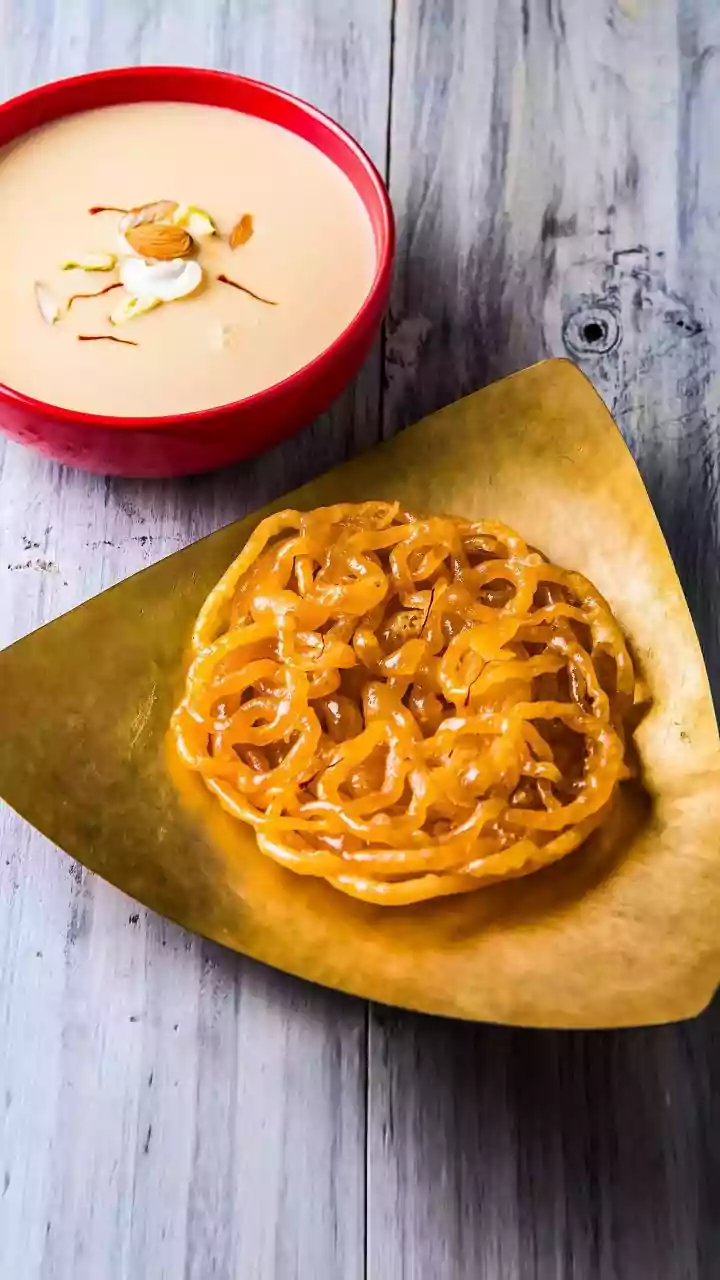
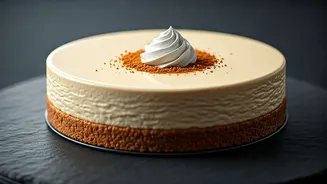
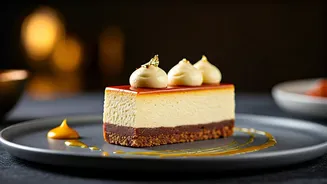
On paper, it sounds almost audacious. Take the gulab jamun—a spongy, syrup-soaked milk solid sphere, the undisputed king of Indian mithai—and embed it within a creamy, tangy Western-style cheesecake. One is a warm, syrupy hug of pure desi sweetness; the other
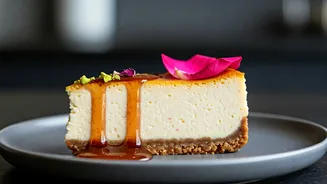
is a cool, dense, and sophisticated bake. Yet, the combination is nothing short of alchemy. The rich, velvety texture of the cheesecake cuts through the intense sweetness of the jamun, while the jamun itself provides a delightful, surprising burst of cardamom-scented syrup and a soft, yielding texture against the firm biscuit base. It’s a dessert that plays with temperatures, textures, and traditions, creating a balanced and utterly memorable experience. It’s the kind of dish that makes you wonder why no one thought of it sooner.
The Birth of a Fusion Icon
The Gulab Jamun Cheesecake didn’t emerge from a vacuum. It arrived in the mid-2010s, a time when India’s culinary scene was buzzing with a newfound confidence. Chefs, both in India and abroad, were moving beyond ‘authentic’ recipes and starting to experiment, asking bold questions: What if a classic Italian tiramisu had the malai flavour of rasmalai? Could a French-style parfait be built with layers of motichoor laddoo? This movement, often labelled ‘modern Indian’ or ‘progressive Indian’ cuisine, was about deconstructing and reimagining beloved flavours. The Gulab Jamun Cheesecake became the poster child for this movement. It was accessible, instantly Instagrammable, and, most importantly, delicious. It broke out of fine-dining restaurants and quickly appeared in cafes, bistros, and even home-baker menus, proving it had mass appeal.
From Gimmick to Mainstay
Every food trend faces the same challenge: surviving the hype cycle. Initially, some purists dismissed fusion desserts like this as gimmicks, destined to fade away once the novelty wore off. They were seen as a fun experiment but not a serious contender to traditional sweets or classic Western desserts. However, the Gulab Jamun Cheesecake proved them wrong. Its staying power comes from its ability to solve a culinary dilemma. It satisfies the person at the table who wants something familiar and desi, as well as the one craving a classic baked cheesecake. It bridges a generational gap, appealing equally to an aunt who loves her mithai and a teenager who follows global food trends on social media. By becoming a reliable crowd-pleaser, it transitioned from a fad to a fixture.
The Psychology of Culinary Comfort
The dessert’s enduring appeal is rooted in psychology. It masterfully blends nostalgia with novelty. The taste of gulab jamun is deeply embedded in the Indian consciousness, associated with festivals, celebrations, and family. It’s pure comfort. The cheesecake, on the other hand, represents a more global, modern sensibility. By combining them, the dessert offers the best of both worlds: the safety of the known and the excitement of the new. It feels both adventurous and deeply familiar. This emotional resonance is what elevates it beyond a mere dish. It’s a taste of home, but remixed for a contemporary palate. It validates a modern Indian identity—one that is proud of its roots but also open to the world.
Why This Fusion Works
Not all fusion dishes succeed. Many end up as confusing messes that respect neither of their origins. The Gulab Jamun Cheesecake works because it follows a crucial rule: the fusion creates something better than the sum of its parts. The cheesecake base provides a much-needed counterpoint to the one-note sweetness of a standalone gulab jamun. The jamun, in turn, prevents the cheesecake from being just another generic bake, infusing it with a distinctly Indian soul. The success lies in the balance. The integrity of both the cheesecake and the gulab jamun is maintained, yet they come together to create a cohesive, harmonious new identity. It's not a competition; it's a collaboration.