

The Growing Problem of Light Pollution
The single biggest obstacle between you and a sky brimming with stars is light pollution. This pervasive glow from streetlights, buildings, and cars scatters through the atmosphere, creating a bright haze that washes out all but the most brilliant celestial
objects. For the 80% of the world’s population living under light-polluted skies, the Milky Way is a feature of photographs, not a real-life spectacle. This artificial brightness not only disconnects us from the cosmos but also prevents our eyes from achieving true night vision, reducing our ability to perceive faint light. The result is a profoundly diminished experience of the night, where thousands of stars and entire galaxies are rendered invisible.
Enter the Dark Sky Reserve
To combat this loss, a global movement has established Dark Sky Places—areas specifically protected for their exceptional starry nights. A Dark Sky Reserve is a designation for public or private land where artificial light is strictly controlled to preserve natural darkness. These reserves consist of a dark 'core' area, often in a park or around an observatory, and a peripheral zone where communities have committed to responsible lighting practices. Mountainous regions are particularly ideal for these reserves. The high altitude means there is less atmosphere for starlight to travel through, resulting in clearer, steadier views. Dry air, common at high elevations, further reduces the scattering of light, making the sky profoundly dark and transparent.
Unveiling the Hidden Universe
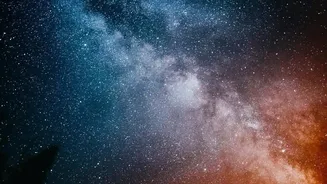
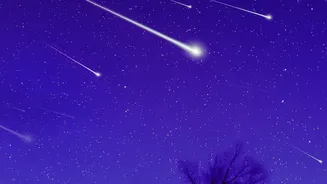
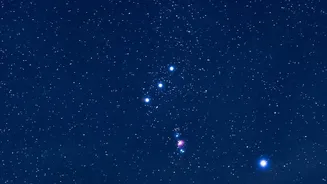
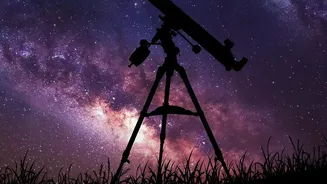
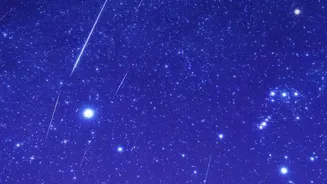
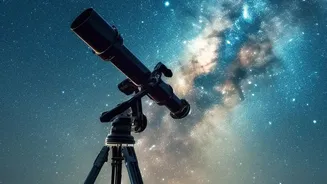
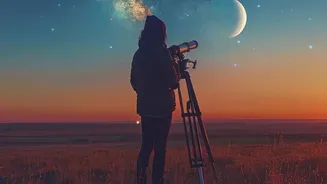
The headline's 'rare constellations' are less about constellations that are intrinsically rare and more about celestial sights that are rarely seen by most people. In a true dark sky, the view is transformed. The most awe-inspiring sight is the Milky Way, our own galaxy, which appears not as a faint smudge but as a brilliant, textured band of light stretching across the entire sky. You can also spot the Andromeda Galaxy, a city of stars over 2.5 million light-years away, which looks like a small, hazy cloud to the naked eye. Familiar constellations can become almost lost in a sea of thousands of previously unseen stars. Add to this the increased visibility of meteor showers, satellites silently gliding overhead, and even faint atmospheric phenomena like zodiacal light, and the night becomes an entirely new, dynamic environment.
Where to Find These Celestial Theatres
India has its own world-class destination for stargazers: the Hanle Dark Sky Reserve in Ladakh. Located within the Changthang Wildlife Sanctuary at an altitude of 4,500 metres, Hanle boasts some of the darkest skies in the world and is home to the Indian Astronomical Observatory. Formally designated in 2022, the reserve is a partnership to promote astro-tourism and preserve the pristine conditions for scientific research. Local villagers are trained as 'Astronomy Ambassadors' to guide visitors, creating a sustainable model that benefits the community. The area's high altitude, clear skies for over 300 nights a year, and minimal light pollution provide an unparalleled naked-eye stargazing experience. While Hanle is a prime destination, other remote, high-altitude locations in the Himalayas and Western Ghats also offer incredible, though less formal, stargazing opportunities.
Tips for the Perfect Starry Night
To make the most of your dark sky adventure, a little preparation goes a long way. First, allow your eyes at least 15-30 minutes to fully adapt to the darkness; this means avoiding all bright lights, especially your phone screen. If you need a light, use a red-light torch, as red light is less disruptive to your night vision. Plan your trip around the new moon, as a bright moon can wash out fainter stars just like city lights do. Dress in warm layers, as even summer nights can get cold at high altitudes. Finally, be patient. Lie back, get comfortable, and simply let the vastness of the cosmos reveal itself. The longer you look, the more you will see.