



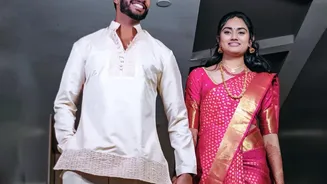
Beyond the Occasion-Wear Saree
For years, handloom was often relegated to the back of the closet, reserved for weddings, festivals, or worn by older generations. But the narrative is changing. Today, the revival is being driven by a desire for fashion that is both sustainable and stylish,
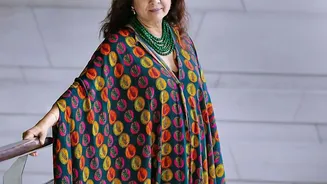
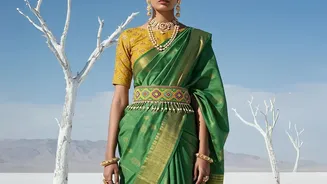
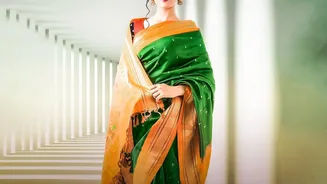
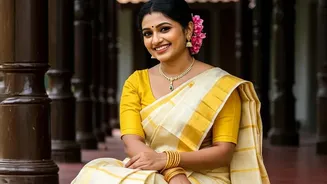
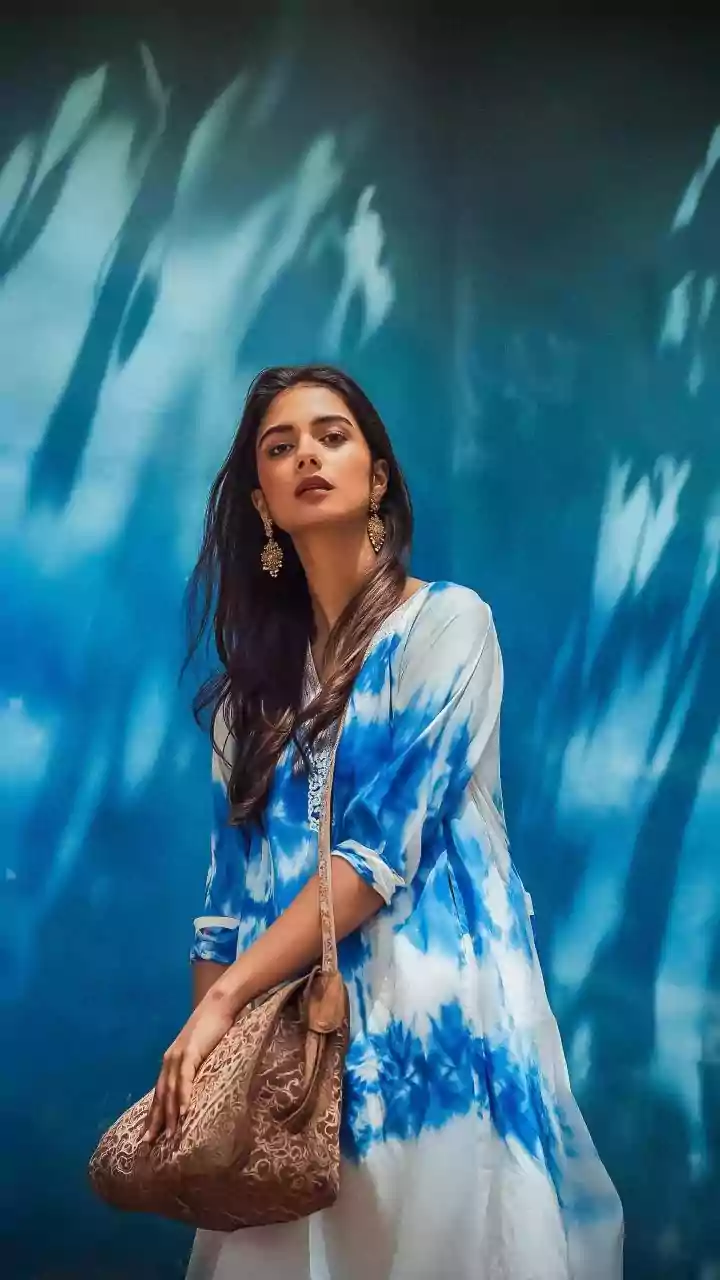
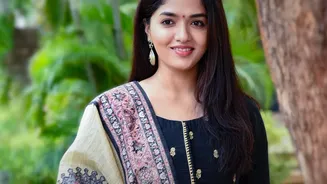
moving handwoven fabrics far beyond their traditional confines. Designers are championing contemporary silhouettes that make handloom accessible and desirable for a younger audience. Think of breathable Chanderi dresses perfect for the office, bold Ikat print jumpsuits for a weekend brunch, or even Banarasi silk styled with crisp shirts and blazers for an evening out. This shift is about making handloom a vibrant, living part of the modern Indian wardrobe, not just a textile to be preserved in a museum.
Innovators at the Loom
This creative resurgence is led by a new generation of Indian designers and brands who see handloom not as a limitation, but as a foundation for innovation. Labels like Raw Mango, Ekaya Banaras, and Eka are reinterpreting traditional weaves like Banarasi and Jamdani into sculptural jackets and playful co-ord sets. They collaborate directly with artisan clusters across the country—from Chanderi in Madhya Pradesh to the weaving communities of Varanasi—to develop new techniques and designs. Brands like SWGT have even developed their own signature handwoven textiles, proving that handloom can be fashion-forward without losing its soul. This collaborative approach ensures that while the silhouettes are modern, the integrity of the craft, passed down through generations, remains the hero.
Weaving a More Sustainable Future
At the heart of this movement is a powerful story of sustainability and social responsibility. The handloom process is inherently eco-friendly, using minimal electricity and often relying on natural fibres and dyes. In an era dominated by the environmental and social costs of fast fashion, handloom offers a thoughtful alternative. This revival is also crucial for the livelihood of India's artisan communities. According to the 4th All India Handloom Census, the sector employs over 35 lakh workers, the majority of whom are women in rural areas. By creating a modern market for these textiles, designers and consumers are helping to ensure that weavers receive fair wages, their skills are valued, and the craft has a viable future. Some brands even include labels naming the artisan who created the garment, connecting the consumer directly to the human story behind the cloth.
Styling the New Handloom
Incorporating handloom into your everyday style is easier than ever. The key is to treat these fabrics with the same versatility as any other wardrobe staple. Pair a handwoven Ikat top with your favourite pair of jeans for a casual, boho-chic look. Layer a lightweight Jamdani or Khadi jacket over a simple dress for an effortless transition from day to night. The beauty of modern handloom lies in its ability to be dressed up or down. A statement Banarasi skirt, once reserved for heavy lehengas, can feel fresh and contemporary when paired with a simple t-shirt. It's about mixing textures and contexts, allowing the rich history of the fabric to add depth and character to a modern look.