





Ladakh: The High-Altitude Desert
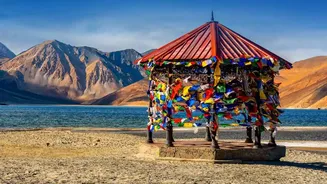
While most of India is drenched, Ladakh remains famously dry. Nestled in a rain-shadow zone created by the Himalayas, August here means clear blue skies, pleasant daytime temperatures, and open roads connecting its otherworldly landscapes. It's the perfect
time for a road trip to the breathtaking Pangong Tso, its waters shimmering in shades of blue, or to the serene Nubra Valley for a ride on the double-humped Bactrian camels. The weather is ideal for exploring ancient monasteries like Thiksey and Hemis, which are fully accessible and less crowded than in peak season. While the highways leading to Ladakh might see some rain, the region itself offers a sunny, adventurous escape.
Spiti Valley: A World Within a World
Like its neighbour Ladakh, Himachal's Spiti Valley is a cold desert that misses the full force of the monsoon. August is a fantastic time to visit, with comfortable daytime temperatures perfect for exploring its stark, beautiful terrain. The valley is characterized by its ancient, cliff-side monasteries like Key and Tabo, and tiny villages that seem frozen in time. The roads are generally open, allowing you to traverse the stunning landscapes, from green patches in the valleys to the barren, snow-dusted peaks above. It’s an adventure for those seeking raw nature and profound tranquility away from the rain-soaked crowds.
Pollachi: The Rain-Shadow Gem of the South
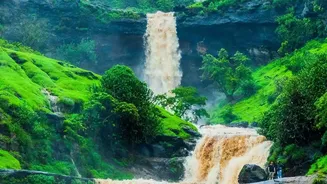
For those who prefer a southern sojourn, Pollachi in Tamil Nadu is an excellent choice. Located in the rain-shadow of the Western Ghats, it receives significantly less rainfall than the windward side. August here isn't about incessant downpours but rather about a landscape that has turned lush and vibrant from the monsoon. The weather remains pleasant, ideal for exploring the rolling tea estates and the rich biodiversity of the Anamalai Tiger Reserve. The drive through the region, especially towards Valparai, is dotted with active waterfalls and misty views, offering the beauty of the monsoon without the travel hassles.
Puducherry: A Slice of Coastal Calm
The Coromandel Coast, where Puducherry lies, experiences its main monsoon season later in the year, from October to December. This means August is relatively drier here compared to the west coast. While you can expect some showers, they are often short and localised, leaving plenty of time to explore the charming French Quarter with its colonial architecture and vibrant bougainvillea-lined streets. The sea breeze provides relief from the humidity, making it pleasant enough for evening strolls along the Promenade Beach and café-hopping through its famously quaint eateries.
Valley of Flowers: Nature's Monsoon Masterpiece
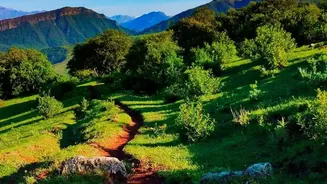
This one is an exception that proves the rule. While Uttarakhand receives monsoon rains, August is the absolute peak season for the Valley of Flowers National Park, a UNESCO World Heritage Site. This is when the valley floor is carpeted with hundreds of species of alpine flowers in full, vibrant bloom. The monsoon showers keep the ecosystem lush and alive. The trek to the valley is a magical experience, with misty clouds and verdant hills all around. For nature lovers and photographers, the slight inconvenience of rain is a small price to pay for witnessing this spectacular, once-a-year floral display.