






What Exactly Is Plant-Based Fusion?
Plant-based fusion is more than just another term for vegetarian or vegan cooking. It represents a philosophical shift in the kitchen. It’s not about finding a substitute for meat; it's about celebrating plants in their own right and creating entirely
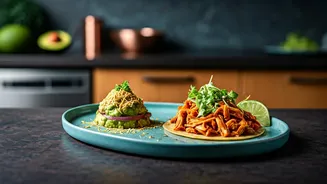
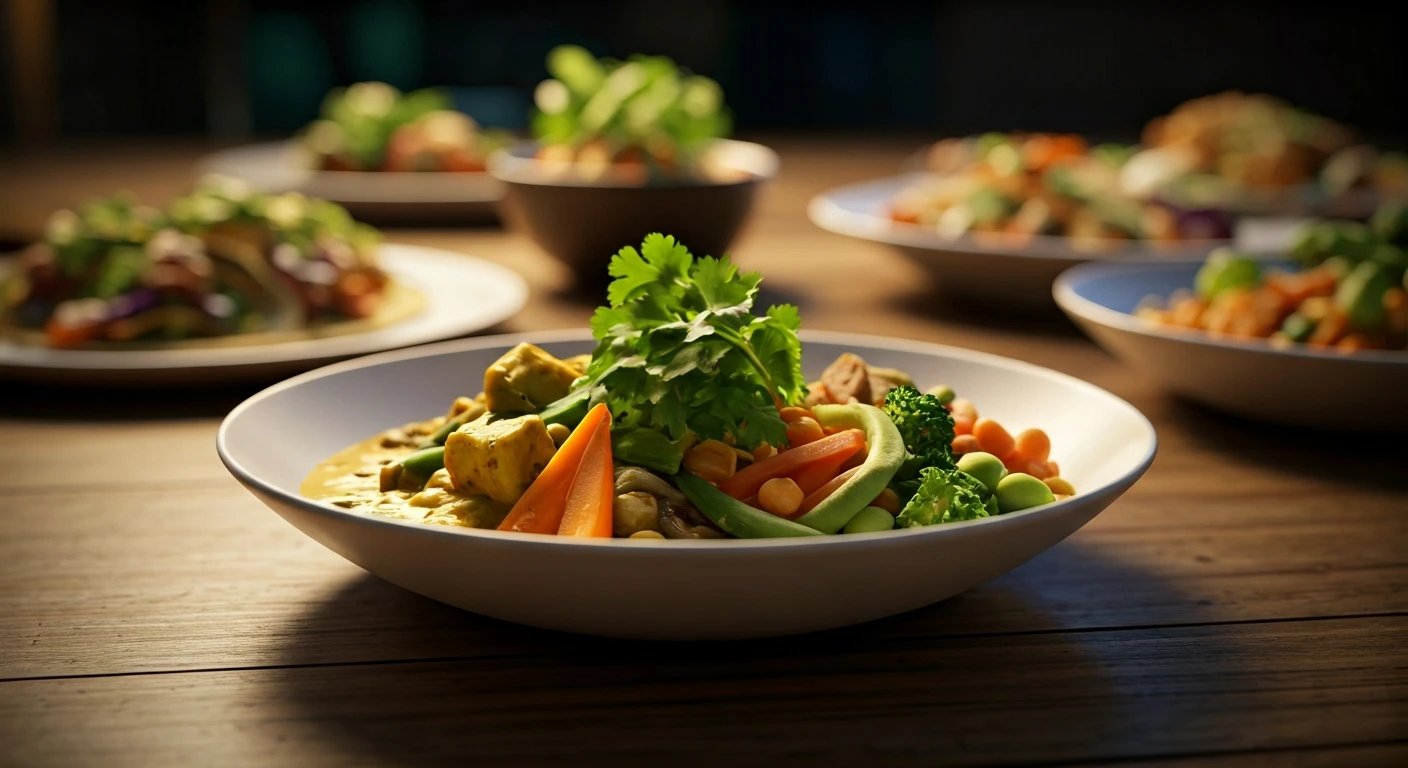
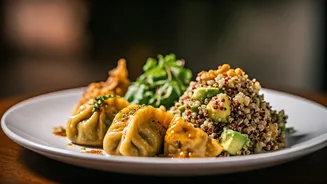
new dishes by blending culinary traditions. Imagine a spicy jackfruit vindaloo filling for a soft-shell taco, a creamy risotto made with Indian millets and a seasonal vegetable tadka, or a classic Thai green curry enriched with smoky, tandoor-roasted broccoli. This is the essence of plant-based fusion: taking the best of Indian techniques, spices, and produce and marrying them with global ingredients and concepts. It’s a two-way street, where international dishes get an Indian makeover and traditional Indian recipes are reimagined with novel ingredients like tempeh, quinoa, and nutritional yeast.
The Driving Forces Behind the Movement
So, why is this happening now? Several factors are converging to create the perfect storm for this culinary revolution. Firstly, there’s a growing global consciousness around health and sustainability. Diners in India, especially in urban centres, are increasingly aware of the environmental impact of their food choices and are actively seeking healthier, plant-forward options. This has given rise to the 'flexitarian'—someone who isn't strictly vegetarian but consciously chooses to reduce their meat consumption. Secondly, our palates have become more global. Thanks to travel and the internet, Indians are more exposed to and curious about international cuisines than ever before. Chefs are responding to this demand for novelty by experimenting with flavours and formats that break from tradition while still feeling comfortingly familiar.
Innovation on the Indian Plate
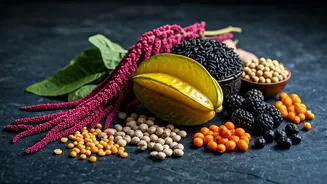
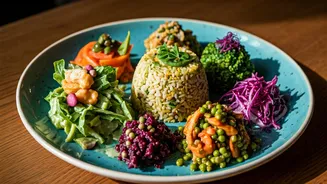
Across India’s metropolitan hubs, innovative chefs are championing this new wave. In menus from Mumbai to Bengaluru, you can find dishes that showcase this creative spirit. Think mushroom galouti kebabs that use advanced techniques to replicate the melt-in-the-mouth texture of their meaty counterparts, or vibrant beetroot tikkis served with a dollop of cashew-based sour cream. The humble kathal (jackfruit) has been elevated from a simple subzi to a star ingredient, appearing as a 'pulled' meat substitute in burgers, biryanis, and wraps. Local, forgotten grains like millet and amaranth are also making a comeback, replacing refined flour in pastas and breads, and being paired with exotic sauces and dressings. These dishes are not just for vegans or vegetarians; they are designed to appeal to any diner who appreciates flavour, texture, and creativity.
A Modern Twist on Ancient Wisdom
While the 'fusion' aspect feels modern, the core principle of celebrating vegetables is deeply rooted in Indian culture. For centuries, Indian cuisine has mastered the art of extracting complex flavours from plants. From the intricate spice blends of a Rajasthani gatta curry to the delicate balance of a South Indian avial, our culinary heritage is a testament to the versatility of vegetarian cooking. The new plant-based fusion movement isn't discarding this legacy; it's building upon it. It takes the ancient wisdom of using spices to create depth and umami and applies it to a broader canvas of ingredients. It’s a respectful evolution, proving that tradition and innovation can not only coexist but can also combine to create something truly extraordinary.