





First, Declutter Ruthlessly
Before you can organise, you must declutter. You cannot organise clutter. Go through your belongings and be honest about what you truly need and use. It’s a crucial first step that makes the entire process more manageable. Create piles for items to keep,
donate, or discard. Getting rid of things you no longer need is the fastest way to make your home feel more spacious. Once you've streamlined your possessions, you can begin to think about where the remaining items should live.
Zone 1: The Daily Essentials
Items you use every single day should be the easiest to access. This is your prime real estate. Think of the things you grab without a second thought: your keys, wallet, phone, the coffee mug you use each morning, or your go-to cooking oil. These items shouldn’t be hidden away in a deep cupboard or a box under your bed. Keep them in open, accessible places like a tray by the door, hooks for your keys and bags, or on an open kitchen shelf. The goal is to be able to grab them without opening a single drawer or door, which saves you time and reduces daily friction.
Zone 2: The Weekly Reach
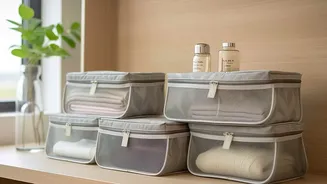
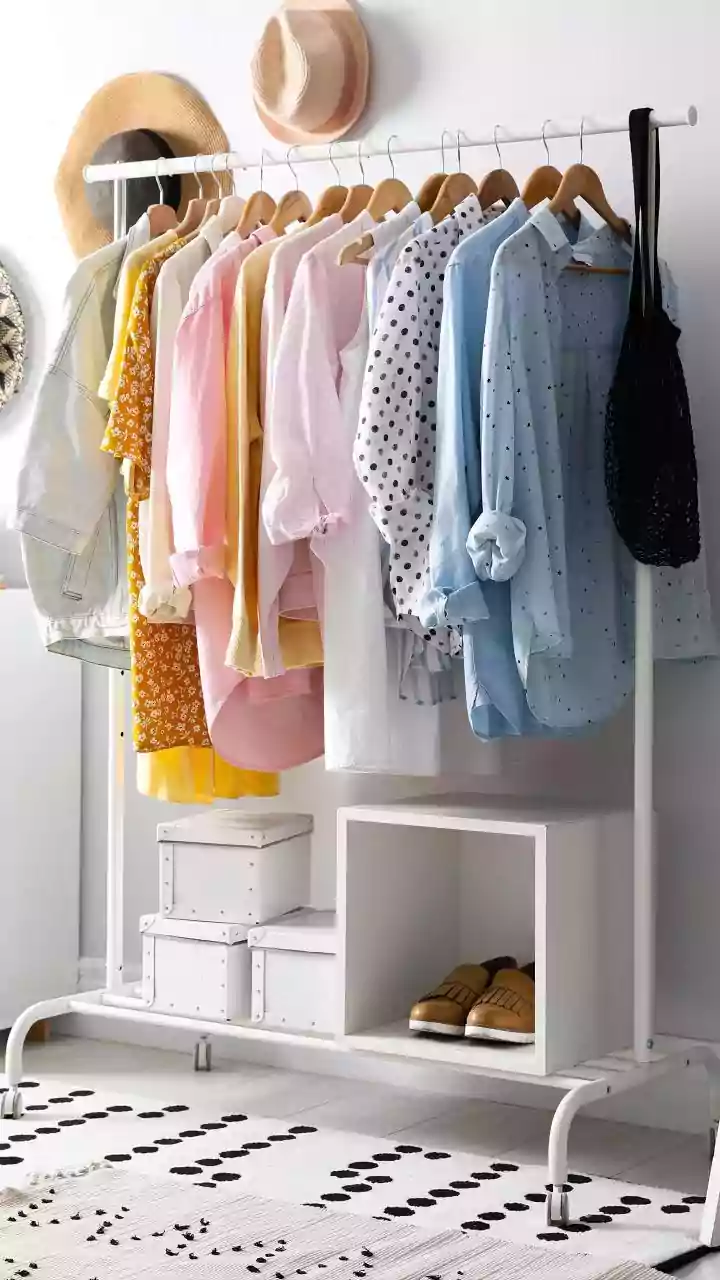
This zone is for things you use frequently, but not daily. This could include specific cooking gadgets, your favourite pair of formal shoes, or the extra set of bed linens. These items should be stored in easy-to-reach places, but not necessarily in your most prime spots. Think of lower kitchen cabinets, the top shelf of your wardrobe, or organised bins on a floating shelf. The key is that you shouldn't have to dig through other items to get to them. Clear bins or drawer dividers can be particularly useful here, allowing you to see what you have at a glance without making a mess.
Zone 3: The Monthly or Occasional Use Items
This category includes things you need every so often, but not on a weekly basis. Examples might include specialised cleaning supplies, serving platters for when guests are over, or a small toolkit. These items can be stored in less accessible places. Think higher shelves in your cabinets, the back of a pantry, or in well-labelled boxes in a storage closet. Since you don't need them as often, it's fine if it takes a little more effort to retrieve them. Labelling is your best friend for this zone. A clearly marked box that says “Party Supplies” or “Small Electronics” will save you a headache later on.
Zone 4: The Deep Storage Stash
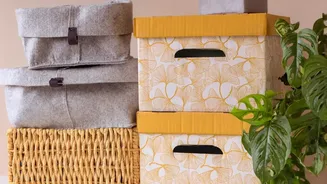
Finally, we have the items you use rarely, such as seasonal decorations, heavy winter coats, luggage, or sentimental keepsakes. These belong in your deep storage areas—the top of the wardrobe, under the bed, or in a storage unit if you have one. The goal for this zone is efficient, compact storage. Vacuum-sealed bags are excellent for compressing bulky items like duvets and jackets. Clearly labelled, stackable containers are also essential. It’s wise to group these items by category or season. For example, have one large bin for all your Diwali decorations or another for your winter woollens.