







The Problem with 'Processed'
The term “processed food” has become a villain in the world of wellness, often bringing to mind packaged snacks, sugary drinks, and fast-food meals. While it's true that many of these items are linked to poor health outcomes, the definition of processing
is much broader. Any food that has been altered from its natural state has been processed. That includes chopping vegetables, roasting nuts, pasteurizing milk, or canning beans. This wide-ranging definition means that healthy staples like whole-grain bread, plain yogurt, and frozen fruit all fall under the “processed” umbrella, creating confusion for shoppers trying to make healthy choices.
What New Research Suggests
A major new study from Harvard is shifting the conversation. Research presented in July 2026 at a flagship nutrition conference found that the overall nutritional quality of a person's diet was a much stronger predictor of long-term health than the level of food processing. The study, which followed over 200,000 people for decades, concluded that healthy diets lowered health risks, while unhealthy diets raised them, regardless of whether the foods were processed or not. The lead researcher noted that while many ultra-processed foods are nutritionally poor, processing itself isn't inherently harmful, encouraging people to focus on the overall quality of what they're eating.
Understanding the Spectrum of Processing
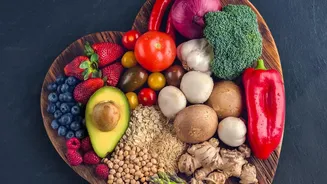
To make sense of it all, many experts use the NOVA classification system, which was developed by Brazilian researchers. This system categorizes food into four groups based on the extent of processing. Group 1 is unprocessed or minimally processed foods like fresh fruits, vegetables, eggs, and raw nuts. Group 2 includes culinary ingredients like oil, salt, and sugar. Group 3 covers processed foods, which are typically made by combining items from the first two groups, like canned vegetables or simple breads. Group 4 is for ultra-processed foods (UPFs), which are industrial formulations with long ingredient lists of substances not typically used in home cooking, such as flavour enhancers, emulsifiers, and artificial colours. This is where most of the health concerns lie.
The Case for 'Good' Processed Foods
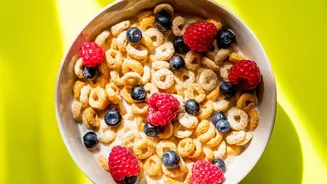
This nuanced view reveals that many convenient and affordable foods can be part of a healthy diet. Canned beans, for instance, are packed with fibre and protein. Studies show that rinsing them can significantly reduce their sodium content. Frozen fruits and vegetables are often picked at their peak ripeness, preserving their nutrients—sometimes even better than fresh produce that has travelled a long way to the store. Canned fish like sardines and tuna are excellent sources of protein and healthy fats. Even whole-grain cereals and plant-based milks, which are considered processed, can be nutritionally dense choices, especially when compared to unprocessed but less healthy options.
How to Be a Smarter Shopper
Instead of avoiding all processed foods, the key is to become a more discerning consumer. The goal isn't to demonize convenience but to prioritize nutrition. When you're at the grocery store, get into the habit of reading the nutrition label and ingredient list. Look for foods with short, recognizable ingredient lists. Pay attention to added sugars, sodium, and saturated fats. A helpful rule of thumb is to check for ingredients you wouldn't typically use in your own kitchen. Things like high-fructose corn syrup, hydrogenated oils, or a long list of additives are red flags that a product is likely ultra-processed and should be limited.