



In a city known for the world’s tallest building and islands shaped like palm trees, the idea of a gold-covered walkway sounds almost predictable. It captures the essence of Dubai’s glittering ambition, but what is the reality behind the shimmer?
A Path Paved with Gold?
The vision
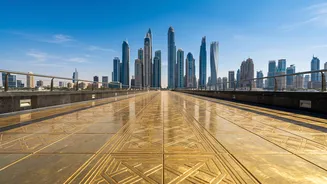
is instantly compelling: a gleaming, golden pathway cutting through the city’s futuristic skyline, a literal road of riches for residents and tourists alike. It’s an idea that has captured the imagination and feels perfectly at home in Dubai’s catalogue of wonders. However, despite the headline-grabbing nature of the concept, a publicly announced, literal gold-covered walkway is not currently in the city's official project pipeline. While the rumour embodies the spirit of Dubai, the story of the city’s development is rooted in turning such ambitious dreams into concrete, steel, and glass reality. The absence of this specific project doesn't signal a lack of ambition; rather, it points to where that ambition is currently being directed: towards projects that are arguably even more complex and awe-inspiring.
The Strategy of Spectacle
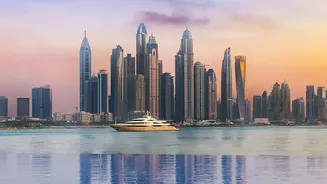
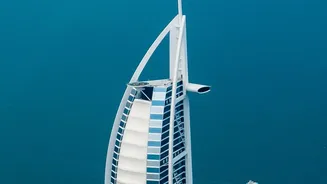
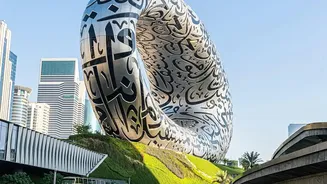
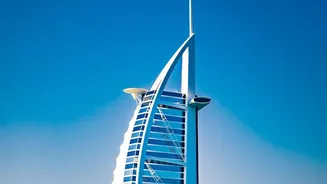
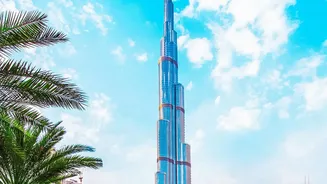
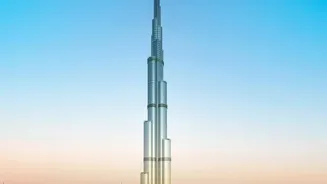
So, why does a rumour like this feel so plausible? Because for decades, Dubai's global identity has been forged through a strategy of 'destination-making' via spectacle. The city’s leadership has consistently pursued projects that are the first, the tallest, the largest, or the most luxurious of their kind. This approach has transformed Dubai from a desert port into a global hub for tourism, finance, and innovation. Landmarks like the Burj Khalifa, the Palm Jumeirah, and the Museum of the Future are not just buildings; they are powerful marketing tools that broadcast a message of limitless possibility. This environment, where the extraordinary becomes the expected, makes any grand proposal seem within reach. The city’s development model thrives on generating global buzz, ensuring that Dubai remains synonymous with a future you can visit today.
Towers Topped with Jewels
Instead of a golden walkway, Dubai is channelling its flair for opulence into the sky. The most prominent example is the Burj Binghatti Jacob & Co Residences, a project that aims to become the tallest residential tower in the world. But its height is only part of the story. Developed in partnership with the luxury watch and jewellery brand, the skyscraper’s design is topped by a 'crown' of diamond and sapphire-shaped spires. This is not just architecture; it's high-jewellery translated into a monumental structure. It represents a new level of branded luxury, moving beyond opulent interiors to making the building itself a piece of treasure. This project captures the same spirit as a golden walkway—transforming a functional structure into an object of extreme luxury and a powerful statement of wealth.
Innovation in a New Light
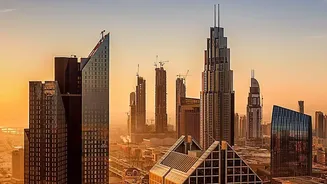
Beyond sheer luxury, Dubai’s current projects also push the boundaries of design and engineering. The Ciel Tower, for instance, is on track to become the world's tallest standalone hotel, a slender, elegant structure offering 360-degree views from its rooftop observation deck. Its design prioritises experience, aiming to give visitors a feeling of floating above the city. Another marvel is the Wasl Tower, an asymmetric, twisting skyscraper that will create a dynamic 'contrapposto' effect on the skyline. Its facade will be fitted with ceramic fins that respond to sunlight, creating a breathing, shifting surface. These projects demonstrate a sophisticated evolution in Dubai's architectural ambitions, where aesthetic innovation and creating unique visitor experiences are as important as breaking records.