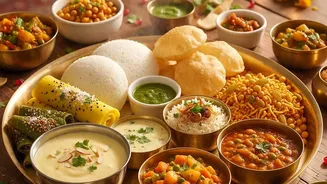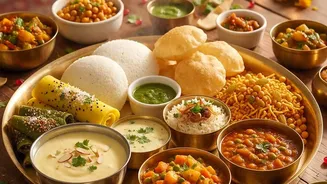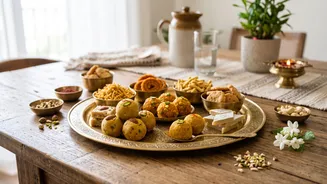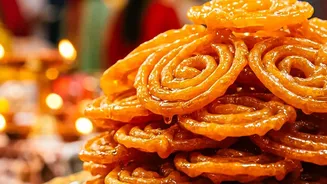






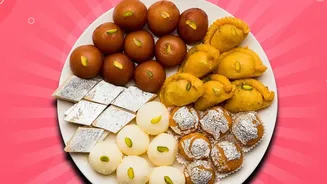

The festive season ends, but the mountain of mithai remains. It’s a familiar sight in Indian homes. Now, instead of letting sweets go to waste, a heart-warming trend is taking root: community sharing. Here’s why it's catching on.
A Sweet Solution to Food Waste
Indian festivals are synonymous
with abundance, especially when it comes to food. But this generosity often leads to a significant problem: waste. With households receiving boxes of sweets from relatives, friends, and corporate associates, it's nearly impossible to consume everything. A growing awareness around food waste is a primary driver for this sharing trend. According to the UN's Food Waste Index Report 2024, Indian households generate a staggering amount of food waste annually. This consciousness, coupled with the rising cost of ingredients like milk and sugar, is prompting people to seek alternatives to letting good food spoil. Sharing excess sweets is a simple, effective, and logical step towards more mindful consumption during a period of indulgence. It transforms a personal problem of surplus into a collective act of kindness and resourcefulness.
The Power of Digital Neighbourhoods
Technology, particularly WhatsApp, has become a powerful tool for community organizing in India. What was once a logistical challenge—finding who needs or wants extra food—is now solved with a simple message. Resident Welfare Association (RWA) groups, building-specific chats, and neighbourhood forums have become virtual community centres where sharing can be coordinated in minutes. A resident can post a picture of untouched sweet boxes, and within hours, neighbours can claim them or arrange for them to be picked up for security staff or community helpers. This digital-first approach removes friction and makes the act of sharing spontaneous and efficient, fostering a sense of immediate connection and mutual support among residents who might otherwise remain strangers.
Strengthening Community Bonds
Beyond the practicalities of waste reduction, this trend is about rebuilding local connections in an increasingly urbanized and isolated world. Sharing food has always been an integral part of Indian culture, a way to express care and build relationships. This modern iteration extends that tradition beyond the family to the wider neighbourhood. It’s a small gesture that helps break the ice, fostering goodwill and a sense of collective identity. By sharing sweets, neighbours are not just exchanging food; they are sharing festive joy, strengthening social fabric, and creating a friendlier, more supportive local environment, one box of laddoos at a time.
From Gifting to Organised Giving
The spirit of sharing isn't just confined to informal neighbourhood groups. It has also scaled up through the efforts of numerous NGOs and volunteer-based organizations across the country. Groups like Feeding India, the Robin Hood Army, and No Food Waste have established networks to rescue surplus food from homes, events, and restaurants. During festivals, they often run special drives to collect untouched sweets and festive snacks and distribute them to the underprivileged in shelters, orphanages, and on the streets. Initiatives like community fridges, sometimes called 'Happy Fridges', have also appeared in cities like Delhi, Gurugram, and Chennai, allowing people to drop off excess food for anyone in need to take freely. This organized approach channels the festive surplus towards fighting hunger, adding a powerful charitable dimension to the tradition of gifting.