




What Exactly Are the New Rules?
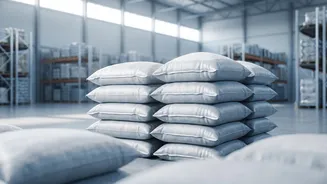
The Department of Food and Public Distribution has announced revised stock holding norms for sugar dealers, which will be effective from October 15 to November 30, 2026. Under these new rules, most dealers across the country cannot hold more than 1,000
quintals of sugar at any given time. Furthermore, they are not permitted to hold this stock for more than 15 days from the date they receive it. This represents a significant tightening from previous limits, which were progressively reduced from 4,000 quintals in August to 2,000 quintals in mid-September. The government has made an exception for Kolkata and the state of Assam, where dealers can hold up to 2,000 quintals, acknowledging the logistical challenges and their role as distribution hubs for the eastern and northeastern regions.
The Festive Season Factor
The timing of this directive is no coincidence. The period from October to November is peak festive season in India, marked by celebrations like Diwali. During this time, household and commercial consumption of sugar skyrockets due to the preparation of traditional sweets and festive dishes. This surge in demand can create a fertile ground for price gouging and supply disruptions. The government's primary goal is to pre-emptively manage the market to ensure sugar remains both available and affordable for consumers. By enforcing these limits, the authorities aim to maintain a smooth flow of the commodity from sugar mills to the end consumer, preventing any artificial scarcity that could drive up prices when demand is at its highest.
Curbing Hoarding and Speculation
A key driver behind the stock limits is the prevention of hoarding. When traders anticipate a price rise, some may be tempted to hold onto their stock to sell it later at a higher profit. This practice, known as speculative hoarding, can create an artificial shortage and lead to sharp price increases for consumers. The 15-day holding period is specifically designed to discourage this behaviour, forcing a continuous movement of sugar through the supply chain. Officials have stated the objective is to prevent unnecessary accumulation and ensure that the benefit of stable ex-mill prices (the price at which mills sell to dealers) is passed on to the retail customer. The government has reported that ex-mill prices have already seen a significant decline, and these new measures are intended to ensure that this reduction is reflected in the prices people pay at their local shops.
The Broader Sugar Supply Picture
These measures are also set against a backdrop of fluctuating sugar production forecasts. Some recent reports suggest that India's sugar production for the 2026-27 season might be lower than initially expected due to erratic rainfall in key sugarcane-growing states like Maharashtra and Karnataka. Simultaneously, to ensure domestic availability, the government has taken other steps, including directing mills to stop diverting sugarcane and molasses for ethanol production. While one April 2026 report had been optimistic about production exceeding consumption, more recent analyses in October point towards a potential domestic shortfall. This makes managing the existing stocks even more critical. The opening stock for the current season was at a multi-year low, adding to the government's urgency in ensuring disciplined management of available supplies.
What This Means for Your Wallet
For the average consumer, this government intervention is intended to be good news. The primary aim is price stability. By preventing hoarding and ensuring a steady supply, the government is working to stop any sudden, sharp increases in sugar prices during the festive period. While retail prices had seen a spike earlier in the year, officials have noted a subsequent decline from their August peak and expect this trend to continue as the lower ex-mill prices are passed down the chain. The stock limits act as a guardrail, designed to protect household budgets from the volatility that can often accompany high-demand seasons. The ultimate goal is that when you go out to buy sugar for your Diwali preparations, the price is fair and the supply is plentiful.