





An Escape from the Crowded Coast
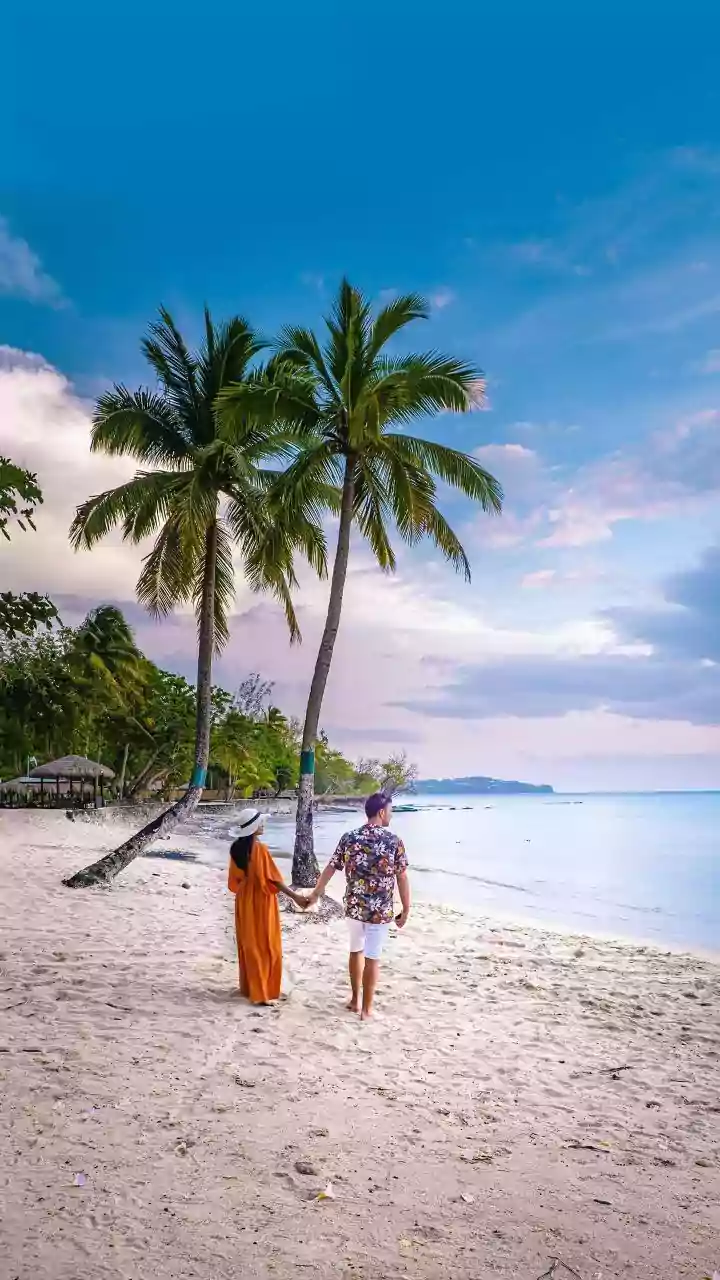
For decades, Goa’s identity has been tied to its coastline. However, as popular beaches like Baga and Calangute become increasingly saturated with tourists and traffic, many visitors are looking for a more peaceful experience. This desire to escape the
crowds is a primary driver behind the shift inland. Travellers are actively choosing to bypass the familiar coastal strips for the promise of tranquility. The hinterlands offer a slower, more deliberate pace of life, often described by the local term 'susegad'—a feeling of contentedness and relaxation that can be hard to find amidst the bustle of the beach belt.
The Lush Allure of the Hinterlands
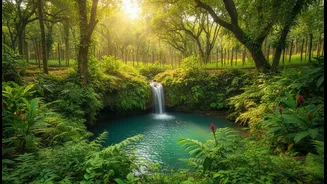
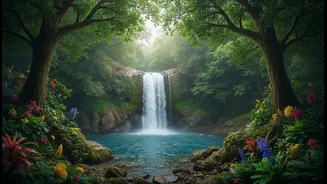
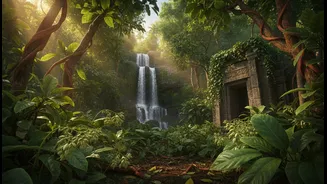
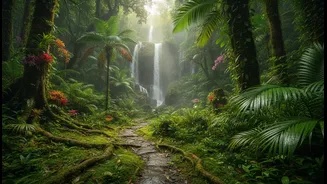
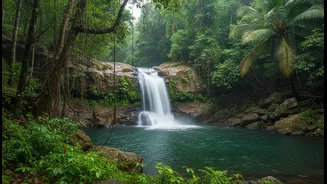
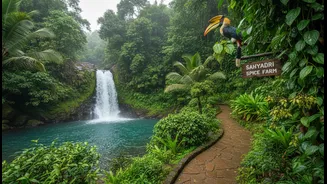
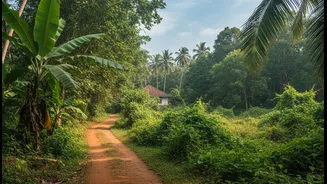
So, what does inland Goa look like? Picture a landscape of rolling hills, dense forests of the Western Ghats, quiet rivers like the Mandovi and Zuari, and vibrant green rice paddies. This region is dotted with spice plantations, cashew groves, and sleepy villages with colourful Portuguese-era houses. Exploring this part of the state means driving down narrow, winding roads, crossing charming bridges, and discovering hidden temples and waterfalls, like the famous Dudhsagar Falls. It’s an immersive experience in nature, a world away from the commercialised coast, offering a chance to wake up to birdsong instead of traffic.
A Hub for Wellness and Slow Living
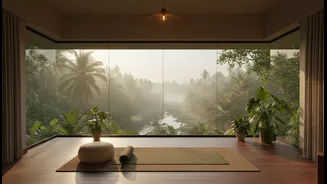
This serene environment makes inland Goa a natural fit for mindfulness and wellness. The region has become a hotspot for yoga retreats, meditation centres, and Ayurvedic healing sanctuaries that offer a genuine disconnect from modern stress. These establishments focus on holistic well-being, offering everything from digital detoxes to conscious breathing workshops and sound therapy. The slow travel movement has found a firm footing here, encouraging visitors to spend more time in one place, engage with the local community, and savour experiences like visiting a traditional Goan bakery for fresh poi bread or taking long walks through villages.
Authentic Cultural and Culinary Experiences
Moving inland offers a deeper, more authentic connection to Goan culture. Away from the tourist-centric beach shacks, you can explore heritage sites in Old Goa, a UNESCO World Heritage area, or wander through the charming Latin Quarter of Fontainhas in Panaji. The food scene is also richer and more traditional. Inland restaurants and homestays often serve dishes that have been passed down through generations, prepared with ingredients from local farms and spice plantations. It’s an opportunity to experience Goa as the locals do, participating in village festivals and discovering a history that goes far beyond its colonial past, including ancient Hindu temples like the one at Tambdi Surla.
The Rise of Boutique and Eco-Conscious Stays
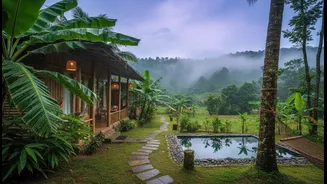
Facilitating this trend is a new wave of accommodation. Instead of large resorts, inland Goa is home to boutique heritage hotels, eco-friendly lodges, and intimate homestays that are destinations in themselves. Properties like Olaulim Backyards or those nestled in the Chorla Ghats are designed to blend with nature, often forgoing TVs and air conditioning to encourage guests to engage with their surroundings. Many of these stays are built on principles of sustainability, using renewable energy and locally sourced materials. They provide a comfortable yet conscious way to experience the region's tranquility, making a mindful getaway both accessible and appealing.