
The Building Blocks of Recovery
Protein is essential for everyone, but it’s especially crucial for those who are physically active. When you exercise, you create tiny micro-tears in your muscle fibres. Protein helps toרe repair this damage and rebuild the muscles, making them stronger.
But what is protein? It's made up of smaller units called amino acids. Our bodies can produce some of these amino acids, but there are nine that we must get from our food. These are called 'essential' amino acids. For effective muscle repair and recovery, your body needs a sufficient supply of all nine. Animal-based proteins like meat, eggs, and dairy are 'complete,' meaning they contain all nine in adequate amounts. This has led to the common misconception that plant-based diets are lacking.
Rethinking 'Complete' Protein
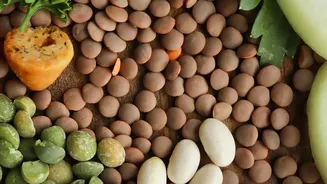
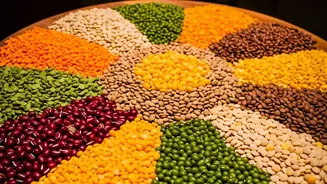
The idea that every single meal must contain 'complete protein' is a bit outdated. Your body is smarter than that; it maintains a pool of amino acids throughout the day. As long as you eat a varied diet with different protein sources, your body can pull the amino acids it needs to build complete proteins on its own. The key is variety. Most plant foods are 'incomplete,' meaning they are low in one or two essential amino acids. For example, grains are often low in an amino acid called lysine, while legumes like beans and lentils are low in methionine. But notice the pattern? Where one is weak, the other is strong. This is where the magic of food combining, or protein complementation, comes in.
The Power of Indian Pairings
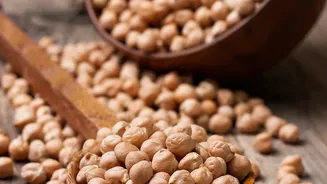
Indian cuisine has been practicing protein complementation for centuries, often without us even realising the science behind it. Think of the most iconic and comforting meals: Dal and Rice (Chawal). Lentils (dal) are rich in the lysine that rice lacks, while rice provides the methionine that dal is low in. Together, they create a meal with a full set of essential amino acids, perfect for recovery. The same principle applies to other beloved combinations like Rajma with Roti or Rice, Chana Masala with Bhature, and the South Indian staple of Idli or Dosa (made from a batter of rice and urad dal). These aren't just delicious pairings; they are nutritionally strategic masterpieces that provide high-quality protein.
Beyond Grains and Legumes
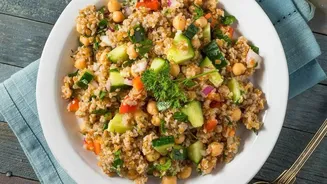
While the grain-and-legume partnership is a powerful one, the vegetarian world has other complete protein heroes. Soy products, including tofu, tempeh, and edamame, are rare plant-based sources that naturally contain all nine essential amino acids. Quinoa, a versatile seed often used as a grain, is another complete protein that has become increasingly popular in India. Other fantastic sources include amaranth (rajgira) and buckwheat (kuttu), which are staples during fasting periods. Dairy products like paneer, milk, and curd (dahi) are also complete proteins and have been a traditional part of Indian vegetarian diets for generations.
Putting It Into Practice for Recovery
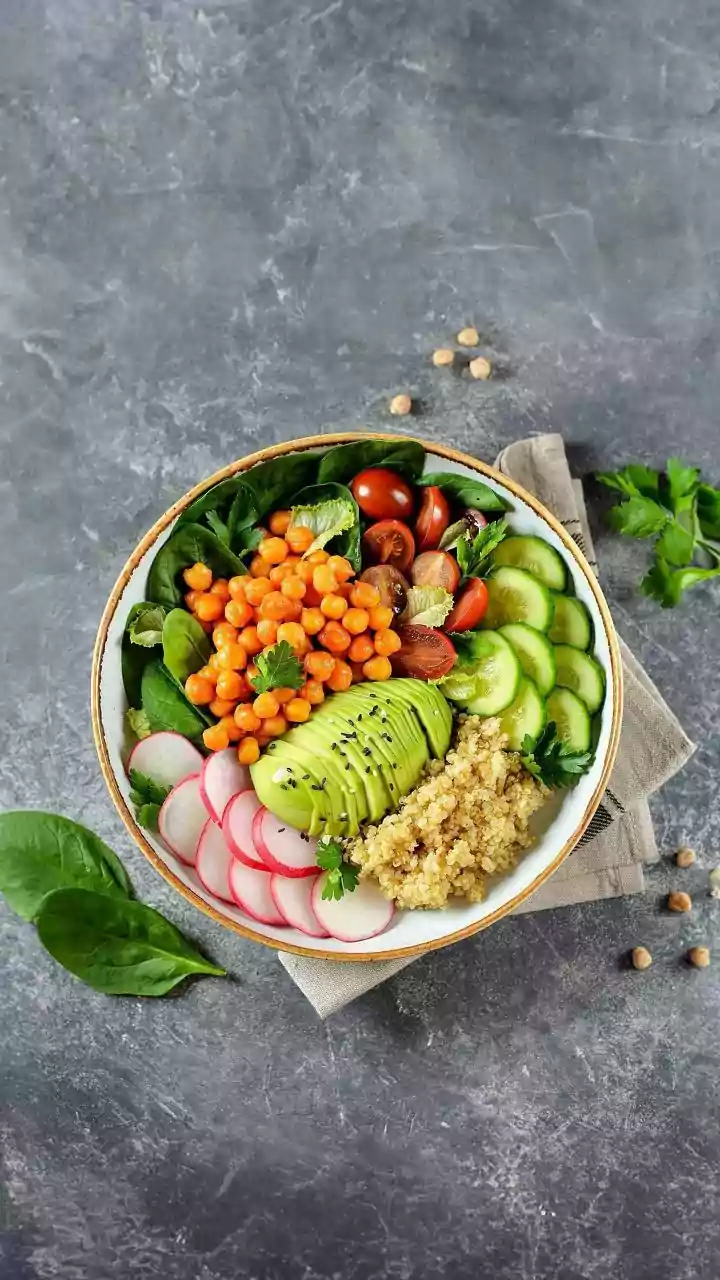
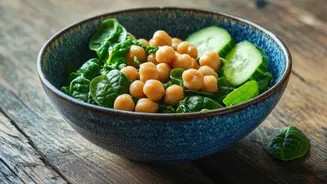
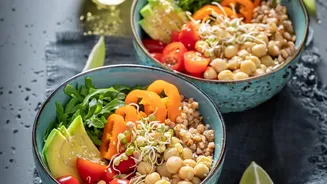
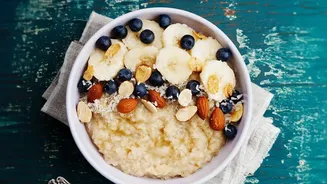
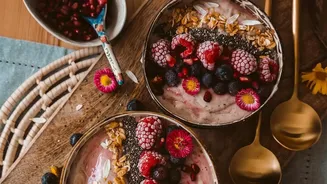
To maximise muscle recovery, focus on getting a good mix of these protein sources throughout the day. You don't necessarily need to eat grains and legumes in the exact same meal, though it often happens naturally in Indian food. The key is ensuring your daily diet is balanced. After a workout, a meal like dal and brown rice, a paneer stir-fry with quinoa, or even a simple snack like hummus with whole-wheat pita can provide the amino acids your muscles need to repair and grow. Don't forget other nutrient-rich foods. Sprouting legumes like moong can improve digestibility and nutrient absorption. Including nuts and seeds like almonds and chia seeds adds another layer of protein and healthy fats to your diet.