





The Allure and Peril of Monsoon Trails
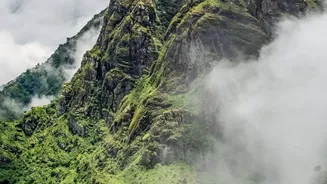
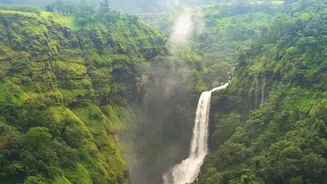
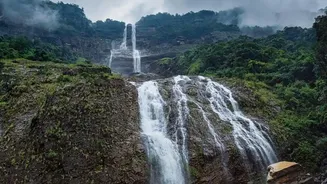
There's a unique magic to a monsoon trek. The dust settles, the hills turn a vibrant green, and waterfalls cascade down mountainsides. For many adventurers in India, this season offers a chance to see nature at its most dramatic and alive. However, this beauty
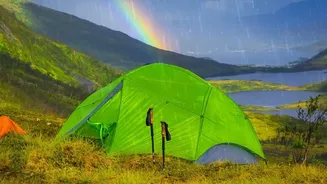
is coupled with significant, and sometimes severe, risks. Continuous rainfall can transform familiar paths into treacherous, muddy slides. The risk of landslides and rockfalls increases dramatically as the soil becomes saturated. Flash floods can turn gentle streams into raging torrents with little warning, and persistent fog or low cloud cover can reduce visibility to just a few meters, making it easy to get disoriented and lost. Regular mobile networks are often non-existent in these remote valleys, leaving trekking groups completely cut off in an emergency. These dangers make the monsoon a season for the well-prepared and the well-equipped.
What Are Real-Time GPS Beacons?
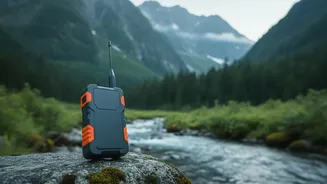
When we talk about GPS beacons for remote trekking, we aren't just talking about the GPS on your smartphone. We are referring to dedicated satellite communication devices like Personal Locator Beacons (PLBs) or satellite messengers. Unlike phones, which need cellular towers, these devices connect directly to orbiting satellites, meaning they work almost anywhere on Earth as long as they have a clear view of the sky. A PLB is primarily an emergency device; when activated, it sends a one-way distress signal with your exact GPS coordinates to international search and rescue services. Satellite messengers, such as those from Garmin or SPOT, go a step further. They allow for two-way communication, enabling trekkers and operators to send and receive text messages, track a journey in real-time on a map, and trigger an interactive SOS if help is needed.
How Operators Use Beacons for Safety
For responsible trekking operators, this technology is a game-changer. By equipping their guides with a real-time satellite messenger, a base camp manager can watch the group's progress on a digital map from anywhere. They can see if the group is on schedule, if they have stopped unexpectedly, or if they have strayed from the designated safe trail. Many of these systems also allow for 'geofencing'. An operator can draw a virtual perimeter around a safe area or mark a hazardous zone; if the device crosses this boundary, an automatic alert is sent. In an emergency, a guide can trigger an SOS, which not only alerts rescue services but also allows the operator to communicate with the group via text to understand the nature of the emergency—be it a medical issue, a trail blockage, or getting lost—and coordinate the most effective response.
A Safety Net, Not an Excuse for Recklessness
While GPS beacons provide an incredible layer of security, they are not a substitute for caution and good judgment. The presence of a satellite device should never encourage trekkers to take unnecessary risks, ignore the guide’s instructions, or venture into areas known to be dangerous. The core principles of mountain safety remain paramount: check weather forecasts, wear appropriate gear, carry a first-aid kit, and respect the unpredictability of nature, especially during the monsoon. The beacon is a tool for when things go wrong despite careful planning. It mitigates risk; it doesn't eliminate it. The goal is to return home with stories of adventure, and this technology is simply one of the most effective tools available to ensure that happens.
What Trekkers Should Ask Before Booking
As a trekker, you can and should be proactive about your safety. Before booking a monsoon trek, especially to a remote area, ask the operator specific questions about their safety protocols. Inquire if their guides carry a satellite messenger or PLB on all remote treks. Ask about their emergency response plan. What happens if there's a medical emergency or if the group is cut off by a landslide? A professional operator will be able to answer these questions with confidence, outlining their communication systems, evacuation plans, and the level of first-aid training their guides possess. Choosing an operator who invests in modern safety equipment and has robust emergency plans is one of the most important decisions you will make. It's an indicator that they prioritize your well-being above all else.