


A New Space Age for India
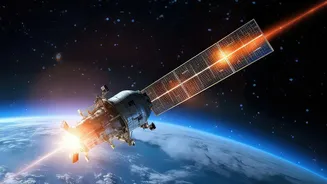
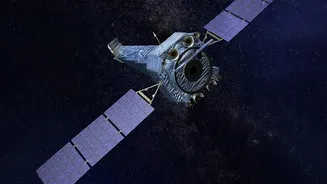
India's space sector is undergoing a monumental shift. For decades, it was the exclusive domain of the Indian Space Research Organisation (ISRO). But the landscape has been transformed by the Indian Space Policy of 2023, which formally opened the door
for private companies to build, launch, and operate spacecraft. This has ignited a startup boom, with over 450 private space ventures now registered. This rapid expansion and influx of investment, projected to grow the domestic space economy to $44 billion by 2033, has created a demand that goes far beyond traditional rocket science. The new ecosystem needs a wider variety of skills to manage its complex legal, financial, and even medical challenges.
The Rise of the Space Lawyer
With hundreds of private companies launching satellites and rockets, the 'rules of the road' in space are more critical than ever. This has created a sudden and growing demand for space lawyers. These legal experts don't work in orbit, but on the ground, they are essential. They help new startups navigate complex international treaties, secure licenses for launches from regulatory bodies like IN-SPACe, and draft contracts for multi-crore satellite manufacturing deals. As private ventures handle sensitive technology and deal with issues like space debris liability and intellectual property rights for inventions created in space, the need for specialised legal counsel has become non-negotiable.
Keeping Astronauts Healthy
As India gears up for its first human spaceflight mission, Gaganyaan, the focus on the human element of space travel has intensified. This has put the spotlight on aerospace medicine, a highly specialised field dedicated to the health of astronauts. Doctors and medical researchers are needed to study the effects of microgravity and radiation on the human body and to develop protocols to keep astronauts safe before, during, and after missions. ISRO recently signed an MoU with AIIMS Delhi to advance research in this area, signalling a growing need for medical professionals, bioengineers, and data scientists to support India's human spaceflight ambitions.
Data Gurus and Earth Observers
A significant part of the new space economy isn't about leaving Earth, but about observing it from above. Satellites generate vast amounts of data, and a new class of professionals is needed to make sense of it all. Data scientists, GIS experts, and remote sensing specialists are in high demand at companies that use satellite imagery for everything from tracking climate change and improving agricultural yields to urban planning and disaster management. These roles often require a background in environmental science, geography, or computer science, proving that you don't need a degree in aerospace engineering to have a major impact in the space sector.
Financing the Final Frontier
Rockets and satellites are capital-intensive, and the new wave of startups needs significant funding to get off the ground. This has opened up opportunities for finance professionals, from venture capitalists who can spot the next big space-tech opportunity to financial analysts who can build business models for these unique ventures. Government-backed initiatives and private funds, like the Antariksh Venture Capital Fund, are now actively investing in the sector. This ecosystem requires managers, business development leaders, and marketing professionals who can translate complex technology into viable commercial strategies, ensuring that India's space startups not only launch but also thrive commercially.