


A New Blueprint for Lunar Water
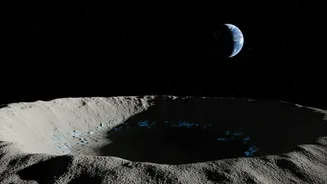
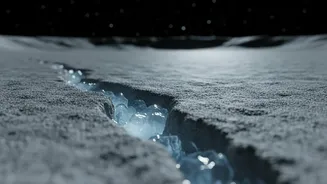
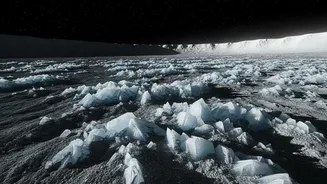
For decades, scientists have known that the Moon's poles likely hold water ice, trapped in permanently shadowed craters where temperatures are colder than -160°C. Orbital missions have previously detected hydrogen, a key component of water. However,
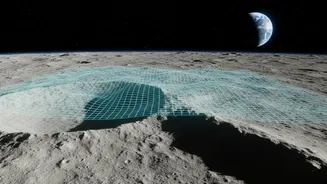
these earlier maps were broad, lacking the detail to tell future explorers precisely where to land and dig. The latest generation of data, compiled using advanced neutron spectrometers, is changing the game. These new, higher-resolution maps provide the most compelling evidence yet of not just water, but accessible water, potentially mixed in with lunar soil (regolith) in the upper meter of the surface. This is a critical distinction, shifting the challenge from a wide-area search to a more focused prospecting mission.
Seeing Water with Neutrons
A neutron spectrometer doesn't see water directly. Instead, it detects its chemical components by listening to the faint hum of cosmic radiation. The Moon's surface is constantly bombarded by galactic cosmic rays, high-energy particles that smash into the atoms in the lunar soil, sending neutrons flying. These neutrons bounce around before escaping back into space. When these neutrons collide with hydrogen atoms—which are almost identical in mass—they lose a significant amount of energy very quickly. A spectrometer in orbit or on a rover measures the energy of the neutrons escaping the surface. A deficit of medium-energy neutrons is a tell-tale sign that hydrogen is present below, acting like a sponge and absorbing their energy. Since hydrogen is a primary component of water (HÂ₂O), a high concentration of hydrogen strongly indicates the presence of water ice.
Shallow Ice, Major Breakthrough
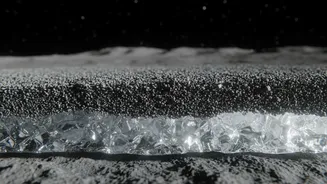
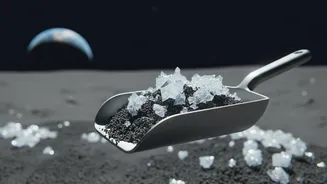
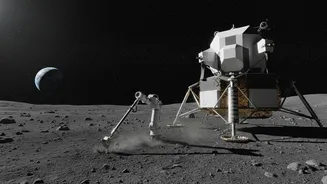
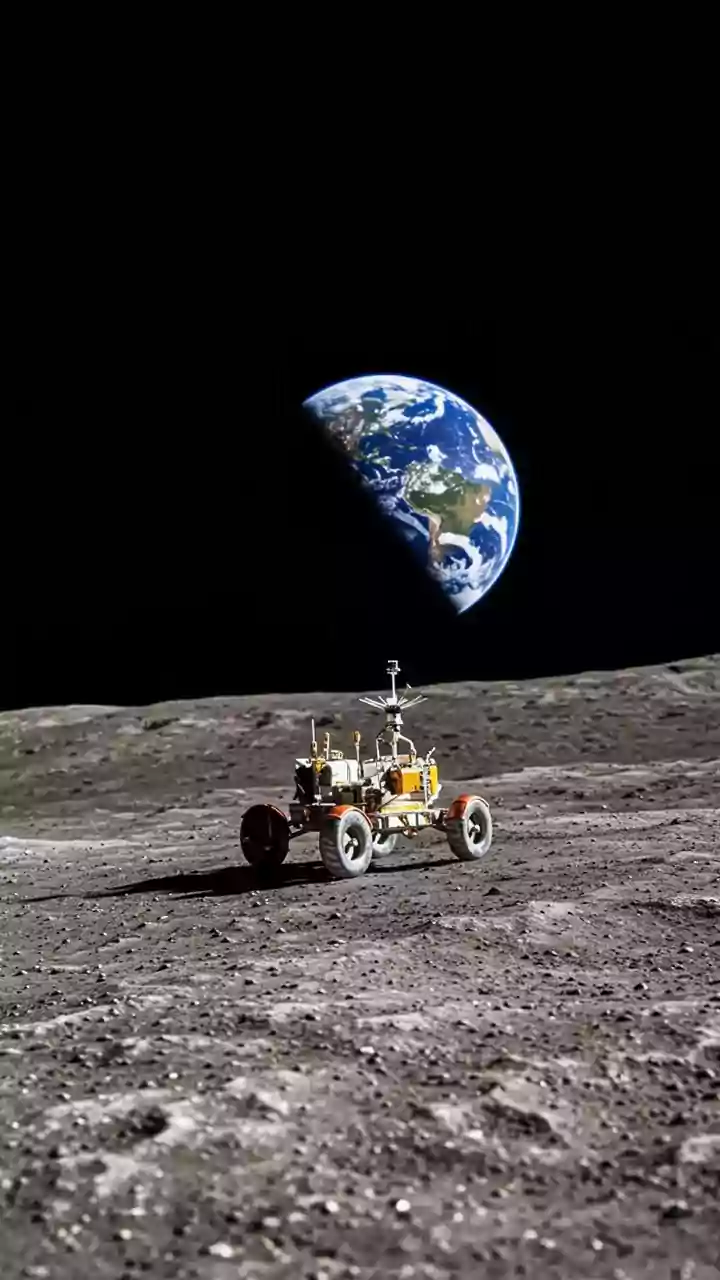
The significance of the new spectrometer maps lies in the word "accessible." Previous theories speculated that water ice might be buried deep beneath the surface, requiring heavy drilling equipment—a logistical nightmare for any space mission. The new data, however, points to ice mixed into the top one to three feet of regolith. This means future robotic rovers or astronauts might only need to scoop the soil rather than drill into it. Missions like NASA's upcoming Volatiles Investigating Polar Exploration Rover (VIPER) are designed specifically to provide this "ground truth," drilling small cores to confirm the spectrometer findings. The potential to find ice in quantities of up to 30% by weight in some locations transforms it from a scientific curiosity into a viable resource.
Fuelling the Future of Space
Accessible water is the key to making lunar exploration sustainable and commercially viable. The cost of launching materials from Earth is immense; being able to "live off the land" is a core goal for agencies like NASA and ISRO. Water can be purified for drinking and used to grow plants. More importantly, it can be split into its constituent elements, oxygen and hydrogen, through electrolysis powered by solar panels. This provides breathable air for habitats and, crucially, the two primary components of rocket propellant. A refueling station on the Moon could dramatically lower the cost and complexity of not just return trips to Earth, but also future deep-space missions to Mars and beyond, making the Moon a critical stepping stone into the solar system.
The South Pole 'Gold Rush'
These findings are intensifying the focus on the Moon's south pole, a region already at the center of a new international space race. With India's successful Chandrayaan missions confirming water's presence and NASA's Artemis program aiming for crewed landings in the area, the ability to pinpoint the most resource-rich locations is a massive strategic advantage. NASA has already partnered with the Japanese and Indian space agencies (JAXA and ISRO) on the LUPEX mission, which will use a Neutron Spectrometer System on its rover to map resources. As nations and private companies plan their return to the Moon, these water ice maps are becoming the treasure charts for a 21st-century gold rush, where the prize is not gold, but the water that will enable a permanent human foothold in space.