




The Ancient Wisdom Of Vrat Food
In Hinduism, fasting, or 'upavasa', is a spiritual discipline to purify the body and mind. The dietary rules for these fasts are rooted in Ayurvedic principles. Foods are often categorised as sattvic (pure, light), rajasic (stimulating), and tamasic (heavy,
dulling). Vrat diets favour sattvic foods that are easy to digest and calming for the mind, which is why grains like wheat and rice, as well as onions, garlic, and table salt are typically avoided. This is also practical; many fasting periods, like Navratri and Sawan, coincide with seasonal changes when immunity can be lower and digestion weaker. A lighter diet gives the system a rest. This is where alternative grains and seeds like makhana, kuttu, and rajgira come in. They are not just substitutes but are chosen for their unique nutritional profiles that provide sustained energy.
Makhana: The Crunchy Powerhouse
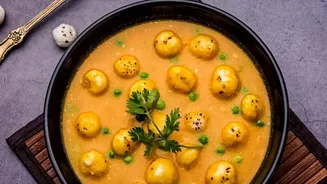
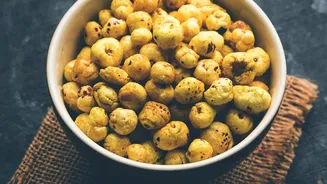
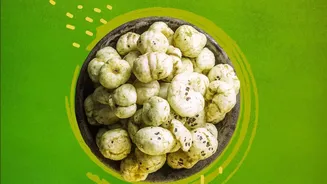
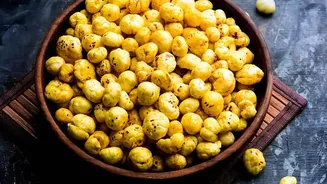
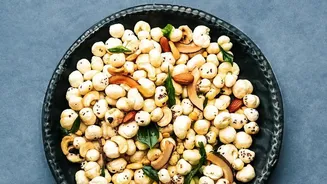
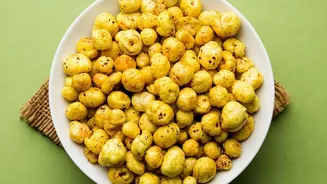
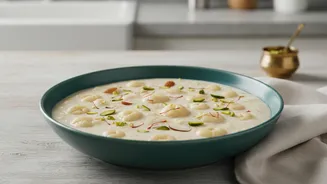
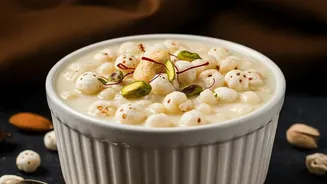
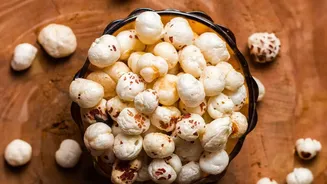
Makhana, or fox nuts, are the puffed seeds of the lotus plant. Traditionally eaten roasted during fasts, these light, crunchy orbs are now a mainstream snack. Their popularity stems from an impressive nutritional resume. Makhana is low in calories and fat, yet rich in protein, fibre, and essential minerals like magnesium, potassium, and calcium. This makes them ideal for maintaining energy levels without feeling heavy. They are also gluten-free and have a low glycemic index, making them a safe and healthy option for many. The presence of antioxidants like kaempferol helps fight inflammation in the body. Beyond a simple roasted snack, makhana is incredibly versatile. It's used to make everything from creamy kheer and savoury sabzis to crunchy raita and even chaat.
Kuttu: The Misunderstood Super-Flour
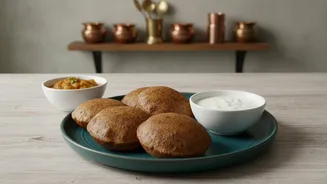
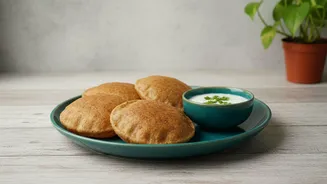
Kuttu ka atta, or buckwheat flour, is a staple during Navratri fasts, often used to make pooris, parathas, and cheelas. Despite its name, buckwheat is not a type of wheat. It's a gluten-free pseudocereal, a seed from a flowering plant, making it permissible for vrat. Kuttu is a nutritional heavyweight. It is packed with high-quality protein, containing all essential amino acids, and is an excellent source of dietary fibre, which aids digestion and promotes satiety. It's also rich in minerals like magnesium and contains a unique antioxidant called rutin, which is known to support cardiovascular health by strengthening blood vessels. Its low glycemic index helps in managing blood sugar levels, offering sustained energy release that is perfect for a day of fasting.
Rajgira: The Royal Grain
Rajgira, or amaranth, translates to "immortal" or "royal grain" in Sanskrit. This tiny, gluten-free pseudo-grain has been cultivated for thousands of years and is another vrat favourite. It is a complete protein source, containing the essential amino acid lysine, which is often lacking in other grains. Rajgira is also an excellent source of calcium, iron, magnesium, and phosphorus, making it beneficial for bone health and helping to prevent anemia. Its high fibre content supports digestive health and can aid in weight management by keeping you feeling full for longer. Like kuttu, it's used as a flour to make rotis, pooris, and even sweets like barfi. The popped seeds are also used to make chikki, a popular brittle candy.