
The Economic Reality Check
One of the most significant drivers behind this shift is the global economic climate. With ongoing volatility and rising costs, consumers are approaching fashion with more intention and less impulse. Forecasts for 2026 suggest a slow-growth environment
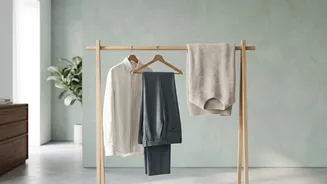
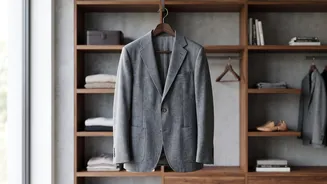
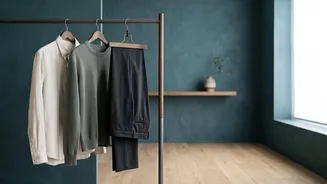
where shoppers aren't necessarily buying more, but buying smarter. It’s no longer about simply hunting for bargains, but about seeking true value for money, which has become the leading priority for a majority of shoppers. This translates to a desire for high-quality, durable, and classic staple products that justify their price tag. In an uncertain economy, a well-made blazer or a versatile pair of trousers that will last for years feels like a much wiser investment than a micro-trend destined to feel dated in a few months.
The Rise of Conscious Consumption
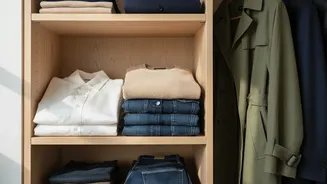
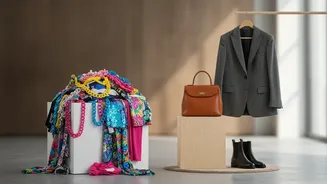
Beyond the wallet, there's a growing awareness of the heavy environmental and ethical toll of fast fashion. The industry's model of rapid production and disposal has led to significant waste and pollution, a fact that resonates deeply with younger generations like Millennials and Gen Z. In response, many are turning to concepts like the capsule wardrobe—a curated collection of versatile, high-quality essentials first popularized in the 1970s. This approach encourages buying fewer but better pieces, reducing waste and the need for constant consumption. The secondhand market is also booming, growing three times faster than the primary market, as consumers look for quality and sustainability while extending the life of garments.
From Trends to Personal Identity
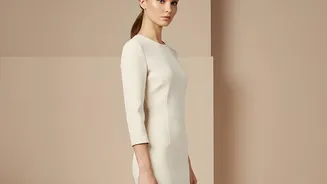
There's a psychological shift occurring, too. Instead of asking “what’s in style?”, more people are asking “what’s my style?”. The focus is moving away from chasing algorithm-driven trends and toward developing a strong sense of personal identity. Timeless fashion provides a foundation for this, built on pieces with clean designs, quality materials, and silhouettes that remain relevant. This approach doesn't mean ignoring trends entirely, but rather incorporating them selectively into a stable, reliable wardrobe. A wardrobe filled with dependable core pieces actually makes experimentation easier and builds a quiet confidence that comes from wearing clothes that reflect who you are, not just what's popular.
The 'Quiet Luxury' Influence
The highly visible trend of "quiet luxury" has also played a major role. Popularized by its focus on minimalist styles, impeccable craftsmanship, and subtle detailing over loud logos, it champions investment pieces and thoughtful shopping. This aesthetic celebrates the intrinsic quality of a garment rather than its ability to signal fleeting status. While it began in the high-end market, its principles have trickled down, influencing mainstream consumer behavior. People are learning to think like investors about their closets, considering an item's longevity and even its potential resale value. This mindset prioritizes clothing that is both stylish and practical, redefining what it means for a purchase to be aspirational.