



1. Crispy Baked Polenta Fries
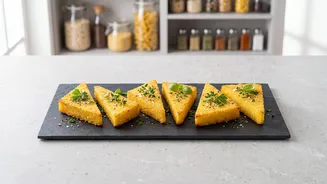
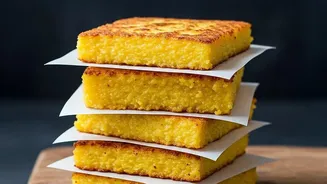
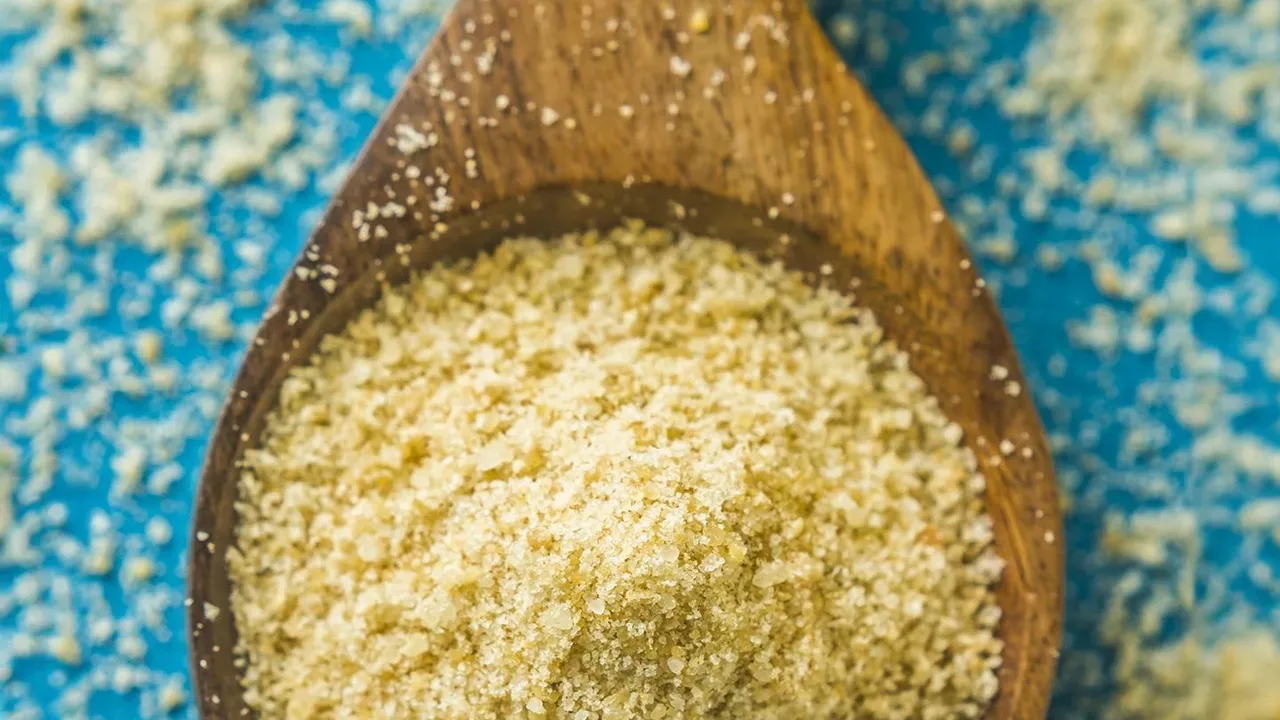
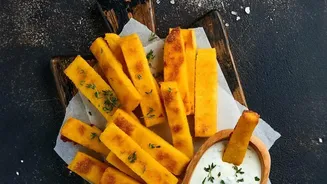
Forget potatoes for a moment and consider polenta for your next batch of fries. The process is simple: cook polenta, let it set firm, slice it into fry shapes, and then bake until golden and crispy. You can start with instant polenta or even use a pre-cooked
tube to save time. After bringing your polenta to a thick consistency on the stove, perhaps with some herbs or garlic for extra flavour, you spread it in a baking dish to cool and solidify in the fridge for at least an hour. Once firm, slice it into your desired shape—thick-cut chips or thin fries work equally well. Toss them with olive oil, salt, and your favourite spices like paprika, garlic powder, or even a dash of chaat masala for a local twist. Bake in a hot oven until the edges are beautifully browned and the centres are soft and creamy. They can be baked, air-fried, or pan-fried for that perfect crunch. Serve with a simple marinara sauce or a spicy dip for the perfect snack or side dish.
2. Hearty Polenta Lasagne Casserole
Imagine a rich, bubbling lasagne, but with layers of firm, golden polenta instead of pasta. This gluten-free take on a classic Italian comfort food is a game-changer. Slices of set polenta provide a wonderful, slightly toothsome base for all your favourite fillings. You can layer slices of firm polenta with a rich vegetable and tomato sauce, creamy ricotta cheese, and generous amounts of mozzarella and Parmesan. The steps are much like building a traditional lasagne: start with a layer of sauce, followed by polenta slices, a vegetable or meat mixture, and cheese. Repeat the layers and bake until the top is golden and the sauce is bubbling. You can use a variety of vegetables like spinach, mushrooms, and zucchini, or a hearty meat sauce. Let it rest for a few minutes before slicing to ensure it holds its shape. It’s a satisfying one-pan meal that is both rustic and impressive.
3. Pan-Seared Polenta Cakes with Toppings
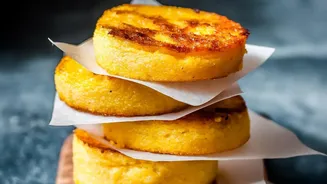
Pan-seared polenta cakes are a wonderfully versatile canvas for countless toppings, making them perfect for an elegant appetiser or a light main course. Once you have a block of firm polenta, you can use a cookie cutter or a knife to cut it into rounds or squares. These cakes are then pan-fried in olive oil or butter until a crisp, golden-brown crust forms on both sides, while the inside remains soft and creamy. From here, the possibilities are endless. For a savoury option, top the warm cakes with a wild mushroom ragu, caramelised onions and goat cheese, or a simple braise of cherry tomatoes and beans. You could even serve them with a dollop of pesto and sun-dried tomatoes. These cakes provide a satisfying base that can stand up to bold flavours, offering a delightful contrast in textures.
4. Sweet Lemon and Almond Polenta Cake
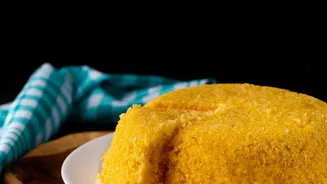
Polenta's texture lends itself beautifully to baking, creating cakes that are moist, tender, and naturally gluten-free. A sweet polenta cake, often found in Italian baking, is a rustic yet sophisticated dessert. Many recipes combine polenta with almond flour, which results in a wonderfully moist crumb with a pleasant, slightly grainy texture. To make it, you typically cream butter and sugar, beat in eggs, and then fold in the dry ingredients, including polenta, almond flour, and baking powder. Lemon is a classic pairing, with both zest and juice adding a bright, fragrant flavour that cuts through the richness. The finished cake can be served simply with a dusting of powdered sugar or elevated with a lemon syrup glaze drizzled over the top while it's still warm. It's a unique dessert that transforms the humble cornmeal into something truly special.
5. Elevated Breakfast Polenta Bowls
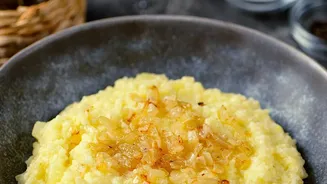
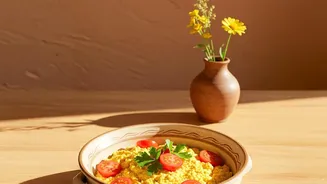
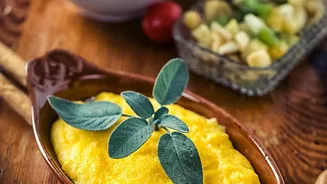
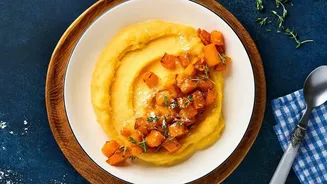
Move over, oatmeal. A warm bowl of creamy polenta is a fantastic way to start the day, and it can be customised for either a sweet or savoury palate. For a savoury breakfast, think of it as a base for toppings like a fried or poached egg, sautéed mushrooms, crispy bacon, and wilted greens. Cooking the polenta in milk or broth and stirring in some Parmesan cheese at the end creates a rich, flavourful foundation. For a sweeter start, cook the polenta with milk (or coconut milk for extra creaminess) and a touch of honey or maple syrup. Top your sweet bowl with fresh fruit, toasted nuts, a sprinkle of cinnamon, and a drizzle of honey. Whether you crave something hearty and savoury or warm and sweet, a polenta breakfast bowl is a nourishing and satisfying way to begin your morning.