


The Golden Rule: Master The Art Of Layering
Ladakh's weather is famously fickle. A warm, sunny day can turn into a bitterly cold evening in a matter of hours. The key to comfort is not bulky sweaters, but multiple, versatile layers that you can add or remove. Think in threes: a thermal or quick-dry
base layer to manage moisture, a fleece or light wool mid-layer for insulation, and a waterproof, windproof outer jacket to protect you from the elements. This system allows you to adapt instantly, whether you are basking in the sun at a Leh café or facing a cold gust of wind at Khardung La.
Essential Clothing For Sun, Wind, and Cold
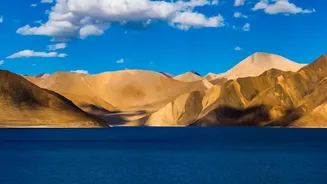
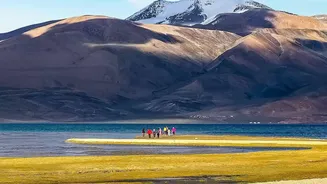
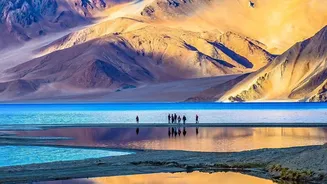
For a typical late-summer trip, your bag should contain a mix of warmth and comfort. Pack two sets of thermal innerwear, a couple of fleece jackets, and at least four to five full-sleeve t-shirts. For bottom wear, comfortable trekking pants are far more practical than jeans for long drives and sightseeing. A down jacket is non-negotiable for the cold nights, especially if you plan to stay near Pangong Lake or Tso Moriri where temperatures can drop close to freezing even in August and September. Don't forget woolen socks, a warm cap or beanie that covers your ears, a scarf, and a pair of waterproof gloves.
Footwear To Conquer The Terrain
You will be on your feet a lot, often on uneven ground. A pair of sturdy, waterproof trekking or hiking shoes with good ankle support and grip is your most important footwear. Ensure they are well broken-in before your trip to avoid painful blisters. For relaxing at your hotel or guesthouse, a pair of comfortable slippers or sandals is a welcome addition. Pack several pairs of warm, breathable socks to keep your feet dry and comfortable.
Health and Safety First: The Altitude Kit
High altitude can be challenging, so a well-stocked medical kit is crucial. Acute Mountain Sickness (AMS) is a real risk, with symptoms like headaches and nausea. Consult your doctor about carrying Acetazolamide (Diamox) for prevention. Your kit should also include painkillers, medication for fever and stomach issues, ORS sachets for hydration, antiseptic cream, and plenty of band-aids. Due to the thin atmosphere and intense sun, a high-SPF sunscreen (SPF 40+), UV-protection sunglasses, and a moisturizing lip balm are absolutely essential to prevent severe sunburn and chapped lips.
Documents, Connectivity, And Cash
Keep your government-issued photo ID (like an Aadhaar card or passport) handy at all times. As of 2026, Indian tourists no longer need an Inner Line Permit (ILP), but you must pay the Ladakh Environment Fee online before your trip and carry the receipt. ATMs are scarce outside of Leh and can run out of cash, so carry enough money for your expenses in remote areas. For mobile connectivity, only postpaid SIM cards from other states will work. BSNL, Airtel, and Jio offer the best coverage, with BSNL often being the most reliable in remote valleys.
Small Essentials That Make A Big Difference
A powerful torch or headlamp is useful as electricity can be erratic in remote areas. A high-capacity power bank is a lifesaver, as cold temperatures drain batteries quickly. Pack a reusable water bottle to stay hydrated, which is key to acclimatization. Energy-rich snacks like nuts, dry fruits, and chocolate bars are great for long journeys. Finally, a good moisturizer and wet wipes will help you stay fresh in the dry, dusty conditions.