
Reading the Signs of Distress
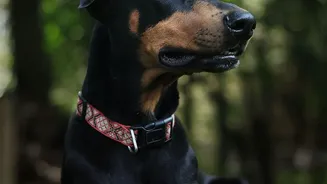
Before you can avoid causing distress, you must learn to recognize it. Pets communicate discomfort through subtle and overt body language. For dogs, early signs can include yawning when not tired, licking their lips, showing the whites of their eyes ('whale
eye'), or turning their head away. As stress escalates, you might see trembling, excessive panting, a tucked tail, or a completely rigid and still posture. Cats show stress with tail thrashing, ears turned sideways like airplane wings, and skin rippling along their back. Ignoring these signals can lead to growling, snapping, or scratching, which are often last resorts for a pet who feels they have no other way to escape an uncomfortable situation.
Why Force Is Counterproductive
When a pet resists grooming, it's tempting to use physical force to get the job done quickly. However, this approach almost always backfires. Forcing a dog or cat into a hold makes them feel trapped and helpless, intensifying their fear. This negative experience gets logged in their memory, making them even more anxious about future grooming sessions. This cycle of fear can escalate, potentially leading to more aggressive defensive behaviours. Furthermore, restraining a struggling animal increases the risk of injury for both you and your pet. A sudden jerk or slip can lead to accidental nicks from clippers or scissors. True cooperation comes from trust, not dominance.
Gentle Handling and Positioning
The alternative to force is cooperative care. Always groom your pet on a non-slip surface to help them feel stable. Instead of pulling legs out to the side at awkward angles, work with your pet’s natural range of motion, gently lifting one limb at a time while supporting their body. Use your body to gently guide them, not to pin them down. For tasks like nail clipping or face trimming, short and calm holds are more effective than prolonged wrestling. Keep sessions short and positive, especially for anxious pets. It’s better to trim one paw’s nails each day for four days than to have one major battle. Frequent breaks allow your pet to reset and prevent stress from accumulating.
Creating a Positive Association
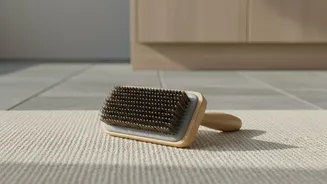
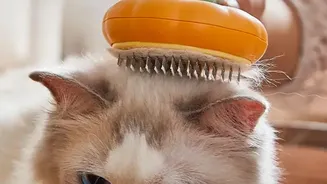
The key to stress-free grooming is to change your pet's emotional response to it. This starts with positive reinforcement. Introduce grooming tools slowly, letting your pet sniff them before they are used. Turn clippers on for a moment and give a treat, without even touching them. Reward calm behaviour at every step with high-value treats and praise. Choose a time for grooming when your pet is already relaxed, such as after a good walk or play session. Creating a calm environment with minimal distractions, and perhaps even some soothing music, can also significantly lower your pet's anxiety levels.
When to Seek Professional Help
Some pets, particularly those with a history of trauma, severe anxiety, or heavily matted fur, may need the help of a professional. Matted fur can pull painfully on the skin, and removing it requires skill and specialized tools to avoid injury. When looking for a groomer, ask about their methods for handling anxious animals. A reputable professional will prioritize your pet's emotional well-being and use force-free techniques. Many groomers are skilled in low-stress handling and can work with your pet gradually to build their confidence. For severe cases, consulting a veterinarian can also help rule out underlying pain and explore other calming solutions.