


Inspect All Lights, New or Old
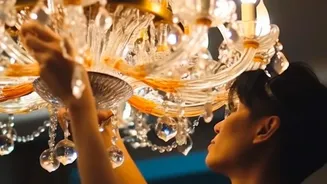
Before hanging any lights, take the time to inspect each strand carefully. For lights you've stored from previous years, check for frayed or bare wires, cracked or broken sockets, and any loose connections. Even new lights should be examined for any damage
that may have occurred during shipping. A good practice is to plug them in on a non-flammable surface for about 15 minutes to ensure they don't smoke or overheat before you begin installation. If you find any damaged sets, it's safest to discard and replace them.
Choose the Right Lights for the Job
Not all festive lights are created equal. It's crucial to use lights specifically rated for their intended location. Lights meant for outdoor use are built to withstand weather conditions like moisture and temperature changes. Indoor-only lights lack this protection and can pose a serious risk if used outside. Check the packaging or the tag on the wire; lights approved for outdoor use will be clearly labelled. Using indoor lights outside can lead to damage and potential electrical hazards.
Consider Switching to LED Lights
If you're buying new lights, consider Light Emitting Diodes (LEDs). They are significantly more energy-efficient, using up to 80% less electricity than traditional incandescent bulbs. This not only saves money on your electricity bill but also allows you to safely connect more strands together without overloading a circuit. LEDs also run much cooler, reducing the risk of fire, which is especially important if lights are near decorations or greenery. Furthermore, they are more durable, often made with plastic lenses instead of glass, and have a much longer lifespan.
Plan Your Power and Avoid Overloading
Before you start, map out your design and identify your available power sources. A common and dangerous mistake is overloading a single electrical outlet or extension cord. As a general rule, don't connect more than three standard strands of incandescent lights together. Check the manufacturer's instructions for specific limits, especially for LED strings which can often handle more connections. Use extension cords that are rated for the power load you intend to connect and are approved for outdoor use if necessary. For outdoor sockets, using a Ground Fault Circuit Interrupter (GFCI) outlet provides crucial protection against electrical shock, especially in damp conditions.
Hang Lights Securely and Safely
How you hang your lights is just as important as the lights themselves. Never use nails, tacks, or metal staples to attach light strands. These can puncture the wire's insulation, creating a severe fire and electrocution risk. Instead, use insulated hooks or plastic clips specifically designed for hanging lights. This prevents damage to both the light wiring and your home's surfaces, such as fascia boards, which can be damaged by nails. Also, ensure that cords are not pinched in doorways or windows, or placed under rugs where they can wear down and overheat.
Practice Smart Habits Throughout the Season
Once your lights are up, a few final habits will keep your home safe. Always turn off all decorative lights when you leave the house or go to bed. This not only saves energy but also minimizes any risk of an unattended fire. Using a programmable timer can automate this process, ensuring lights aren't left on by accident. Make sure all outdoor connections are protected from water and kept off the ground. Finally, keep a close eye on your decorations throughout the season, and if you spot any damage, address it immediately.