

The Letter Writing Renaissance
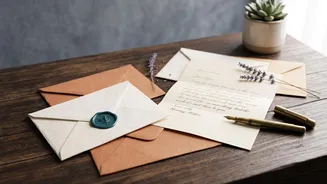
For many members of Gen Z, the act of sending and receiving a physical letter is a novel experience. Tired of the impersonal nature of digital life, younger generations are driving a comeback in handwritten correspondence. They are forming pen pal clubs,
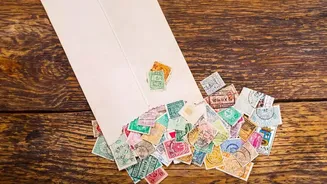
trading addresses on social media, and investing time in decorating envelopes with stickers, washi tape, and wax seals. This isn't just about communication; it's a creative outlet. The appeal lies in the deliberate slowness and the tangible reward of a letter that can be held and reread, offering a stark contrast to a crowded inbox or a fleeting DM. It’s a trend significant enough that Pinterest named “Pen Pals” one of its predictions for 2026, citing triple-digit growth in searches for terms like “snail mail gifts” and “cute stamps.”
A Cure for Digital Burnout
The driving force behind this revival isn't a rejection of technology, but a reaction to its overwhelming presence. Digital burnout is a real phenomenon, and many young adults are actively seeking ways to disconnect and be more present. Studies show a significant percentage of Gen Z are trying to reduce their screen time, feeling fatigued by algorithm-driven feeds and the pressure of constant connectivity. In this context, analog hobbies offer a form of mindfulness. The act of writing a letter by hand requires focus and emotional investment, activating parts of the brain related to memory and language in ways that typing does not. This deliberate friction—the time it takes to write, send, and wait for a reply—has become the point, turning an inconvenience into a sought-after, intentional experience.
Part of a Wider Analog Awakening
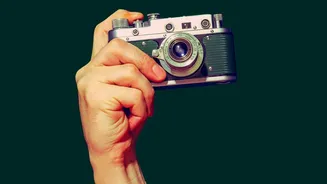
The return of snail mail is not happening in a vacuum. It’s part of a broader cultural shift where Gen Z is embracing a range of analog experiences. This includes the soaring popularity of vinyl records, which have seen sales grow for over 16 consecutive years, with young listeners driving the trend. Film and even retro digital cameras are also making a comeback, with their grainy imperfections seen as more authentic than perfectly curated smartphone photos. This movement extends to reading physical books, journaling, knitting, and gathering for tabletop board games. At its core, this “analog revival” is about seeking tangible, hands-on activities that offer a sense of permanence and individuality in a world that often feels ephemeral and homogenized.
The New Creator Economy
This trend has also sparked a unique corner of the creator economy: snail mail subscription clubs. Artists and writers are building small businesses by sending monthly curated letters, art prints, and other paper goods to subscribers. These clubs provide creators with a steadier income and a more personal way to connect with their audience, away from the unpredictable algorithms of social media. For subscribers, who might pay around ten dollars a month, it offers the joy of receiving something beautiful and handmade, a small package of art and connection. In an age where AI can generate content instantly, a hand-addressed envelope has become proof of human effort and care, making it feel almost radical.