



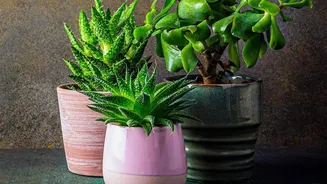
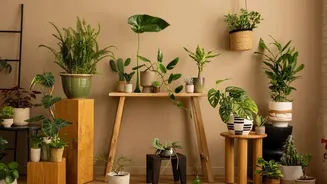
The Challenge of Monsoon Plant Care
The Indian monsoon creates a tricky environment for many indoor plants. The combination of high humidity, reduced sunlight from cloudy skies, and constantly damp conditions can be a recipe for disaster. The number one killer is root rot, caused by overwatering
when soil doesn't get a chance to dry out. Fungal infections like powdery mildew also thrive in this damp, low-light atmosphere. The solution isn't to stop watering, but to choose hardy plants that naturally tolerate these conditions and to adjust your care routine. The key is to water less frequently, ensure excellent drainage, and provide good air circulation. These plants not only survive the rainy season but actively flourish in it.
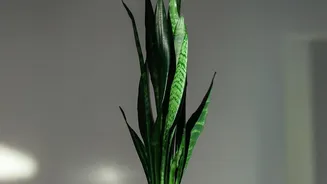
Snake Plant: The Unkillable Champion
The Snake Plant (Sansevieria trifasciata) is famous for being nearly indestructible, and the monsoon is no exception. Its tough, architectural leaves store water, meaning it thrives on neglect and is highly resistant to drought. This is a huge advantage during the monsoon when the primary danger is too much moisture. It tolerates low light extremely well, making it perfect for gloomy, overcast days. During the rainy season, you might only need to water it once every three to four weeks. Always let the soil dry out completely between waterings to prevent any chance of root rot. It's a top-tier air purifier to boot.
ZZ Plant: The Low-Light Warrior
The ZZ Plant (Zamioculcas zamiifolia) is another hero for the forgetful or time-crunched plant parent. Its glossy, waxy leaves are not just for show; they signify a plant that is exceptionally good at retaining water, thanks to its rhizomatous roots. This makes it incredibly tolerant of infrequent watering. Like the Snake Plant, the ZZ Plant is perfectly happy in low-light conditions, so it won't get leggy or sad during prolonged cloudy spells. In the high humidity of the monsoon, it needs even less water than usual. Check the soil every few weeks, and only water when it is bone dry to the touch.
Pothos (Money Plant): The Versatile Vine
The Money Plant, or Pothos (Epipremnum aureum), is a staple in Indian households for a reason. It's incredibly adaptable and forgiving. While overwatering can be an issue for any plant, Pothos is less fussy than most and will often bounce back. It loves the high humidity of the monsoon. Its trailing vines look beautiful on shelves and it does well in moderate, indirect light, which is common during this season. The key is to ensure it's in a well-draining potting mix and a pot with drainage holes. If the leaves start to yellow, it's often a sign of overwatering, so ease up and let the topsoil dry before watering again.
Peace Lily: The Humidity Lover
Unlike the others on this list, the Peace Lily (Spathiphyllum) does like consistently moist soil, but it's the high humidity it truly loves, which makes it a monsoon superstar. It thrives in the exact conditions that the rainy season offers. It’s also known for its ability to tolerate lower light levels, producing its elegant white spathes even without direct sun. An added benefit is its air-purifying quality; it can absorb moisture from the air, which may help reduce the ambient humidity in a room and discourage mould. The Peace Lily has a helpful tell: it droops dramatically when it's thirsty, taking the guesswork out of watering.
Spider Plant: The Resilient Air Purifier
The Spider Plant (Chlorophytum comosum) is a fantastic choice for its resilience and adaptability. It can handle a range of conditions, including the lower light and high humidity of the monsoon months. These plants are excellent at cleaning the air and are very forgiving. They prefer to dry out slightly between waterings, which is a crucial trait for surviving the dampness of the rainy season. Good air circulation is beneficial to prevent any fungal issues, so placing it in a spot where air moves freely is a good idea. They also produce little 'pups' or baby spider plants, which are easy to propagate, giving you more plants for free.