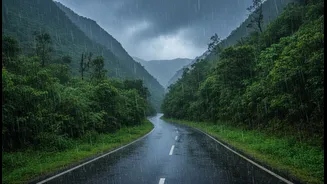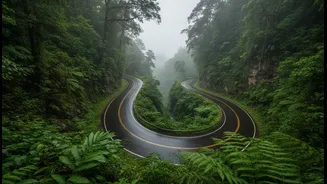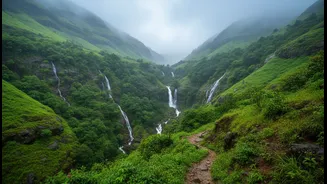




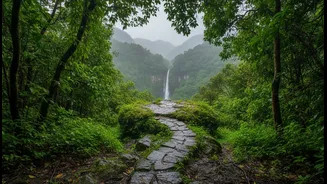




Embrace the Rain, Not the Itinerary
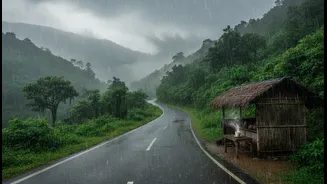
The typical travel mindset involves a checklist: viewpoints to see, forts to climb, waterfalls to photograph. During the monsoon in the Western Ghats, this approach often leads to frustration. Heavy downpours can appear without warning, mist can obscure
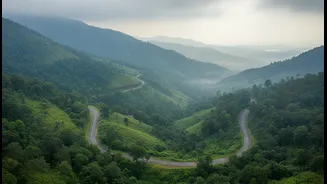
panoramic views, and rural roads can become unpredictable. The essence of a successful monsoon trip is not to fight the weather, but to surrender to it. Instead of a rigid schedule, adopt a fluid one. The goal shifts from 'seeing everything' to 'experiencing the atmosphere'. The reward is in watching clouds engulf a valley from your homestay window, listening to the chorus of frogs after a downpour, or feeling the cool spray of a roadside cascade you hadn't planned to visit. This is when the Ghats reveal their true character: moody, magnificent, and deeply calming.
One Base, Many Discoveries
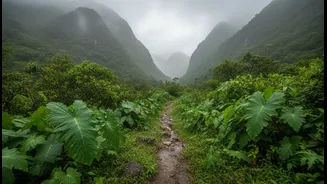
Rather than hotel-hopping every night, choose one place as your base for several days. A homestay in Coorg, a quiet resort in Wayanad, or a plantation stay in Chikmagalur can become your anchor. This slow-travel approach reduces transit time and the stress of daily packing and unpacking. More importantly, it allows you to connect with a place. You can explore the nearby village on foot, discover trails not listed in guidebooks, and build a rapport with your hosts who can offer invaluable local advice. You might learn about a local festival, a weekly market, or a hidden stream perfect for a quiet afternoon. This depth of experience is impossible when you're merely passing through, ticking off another destination on a whirlwind tour.
The Art of the Short Jaunt
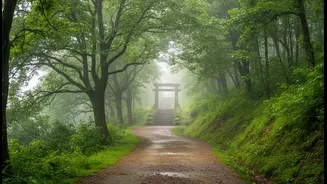
Shorter daily plans are the cornerstone of a relaxed monsoon journey. The most beautiful and comfortable parts of the day are often in the morning, before the rain intensifies in the afternoon. Plan a single, manageable activity for the day—a morning trek to a nearby hill, a visit to a tea plantation, or an exploration of a local temple. Keep your afternoons free. This is the perfect time for a nap, to read a book, to journal, or to simply enjoy a hot cup of tea while watching the rain. This rhythm prevents exhaustion and allows for spontaneity. If the weather clears, you can go for an impromptu walk. If it pours, you’re already cozy indoors without feeling like your plans have been ruined. This balance ensures your holiday is restorative, not draining.
Where to Practice the Slow Life
While this philosophy can be applied anywhere in the Ghats, some places are particularly suited for it. In Karnataka, the coffee estates of Coorg and Sakleshpur offer immersive stays. In Kerala, the misty hills of Munnar and the lush forests of Wayanad are ideal for settling in. Maharashtra's Amboli Ghat, a biodiversity hotspot, rewards those who take the time for guided nature walks to spot endemic frogs and butterflies. Further south in Tamil Nadu, quieter destinations like Valparai and Kotagiri, surrounded by tea estates, are perfect for unhurried exploration away from the main tourist circuits. The key is to choose destinations known for their atmosphere and local experiences, rather than just a list of attractions.
Practicalities for a Monsoon Trip
A slower trip still requires smart packing. Prioritise quick-dry synthetic clothing over cotton, which stays damp for hours in high humidity. A reliable waterproof jacket or poncho is non-negotiable, as is a good pair of footwear with excellent grip, like trekking sandals or quick-dry sneakers. Pack waterproof bags or zip-lock pouches for your electronics and important documents. Because of the humidity, a thin fleece or woollen layer is useful for chilly evenings in hill stations. Always check road conditions before you start your day, as landslides and waterlogging can cause delays, and build buffer days into your travel plan to accommodate nature's schedule.