




Essential Riding Gear to Stay Dry
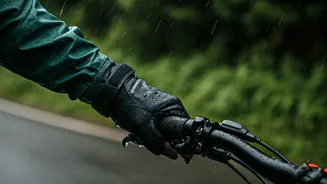
Staying dry is the first rule of comfortable monsoon cycling. Invest in a high-quality, breathable waterproof jacket. Look for one with sealed seams and a waterproof rating of at least 10,000mm to handle heavy downpours. [6, 12, 17] Brightly coloured
or reflective jackets are a plus for visibility. [4] Waterproof over-trousers and shoe covers will keep your lower half dry and free from road splash. A cycling cap worn under your helmet can be a simple but effective way to keep rain out of your eyes. [5, 12]
Bike Modifications for the Rain
A few key additions to your bike can make a world of difference. Full-length fenders or mudguards are non-negotiable; they prevent muddy water from spraying onto you, your drivetrain, and the rider behind you. [2, 9] This not only keeps you cleaner but also protects your bike's components from grit and grime. [4] Consider slightly reducing your tyre pressure by 10-15 PSI, which increases the contact patch with the road and improves grip on slick surfaces. [2, 7, 10, 14] However, don't go below the manufacturer's recommended minimum. [2]
Be Seen: Visibility and Safety
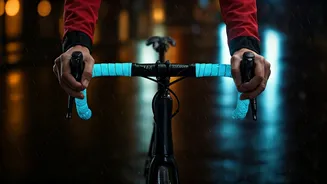
Reduced visibility during a downpour makes it crucial to be seen by other road users. [2] Equip your bike with a powerful front white light and a rear red light, and keep them on even during the day. [4] Wearing bright, reflective clothing significantly increases your visibility. [2, 4] Many cycling jackets and accessories come with built-in reflective panels. [6] Also, remember that braking distances increase significantly on wet roads, so brake earlier and more gently than you would in the dry. [4, 7, 16]
Protecting Your Belongings
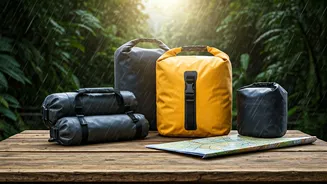
For commuters carrying laptops, documents, or a change of clothes, keeping everything dry is a top priority. A fully waterproof backpack or pannier bags are the best solution. [2, 4] Look for bags with roll-top closures and welded seams for maximum protection. For smaller items like your phone and wallet, a simple transparent zip-lock bag or a dedicated waterproof pouch can be an effective and inexpensive option. [2]
Mastering Wet Road Conditions
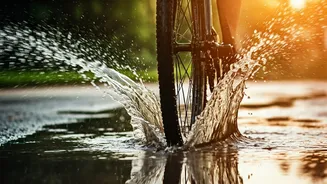
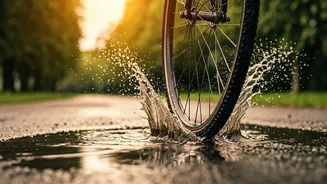
Riding technique needs to adapt to wet conditions. Slow down, as your ability to grip and brake is reduced. [4, 16] Be wary of road markings, manhole covers, and fallen leaves, as they become incredibly slippery when wet. It's also wise to avoid riding through puddles, which can hide deep potholes or other hazards. [4] If you can't avoid them, ride through them slowly. [4] Maintaining a safe distance from other vehicles gives you more time to react. [14]
Post-Ride Bike Maintenance
The monsoon is tough on your bike, and rust is the enemy. After every wet ride, give your bike a quick clean to wash off mud and grit. [5, 7, 10] Pay special attention to the chain, gears, and brakes. [3, 4] Wipe the bike down and, most importantly, clean and lubricate your chain. [5, 7] Use a 'wet' lube, which is specifically designed to resist being washed off by water and will protect your drivetrain from rust and wear. [6, 9] Storing your bike in a dry, sheltered place is also crucial. [3]