



Why Are Car Prices Going Up Again?
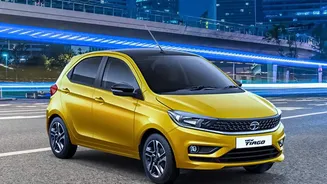
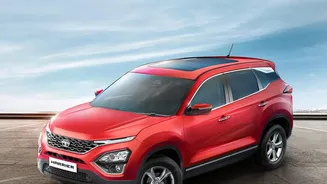
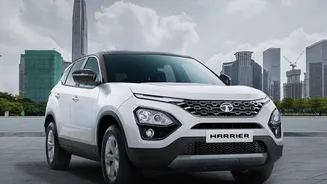
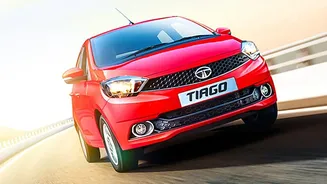
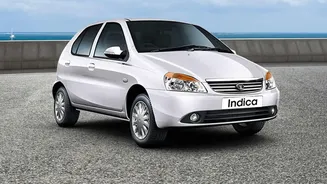
Tata Motors is set to increase prices across its entire passenger vehicle lineup, including both petrol, diesel, and electric models, by up to ₹25,000. This isn't a random decision but part of a broader industry trend. Automakers like Hyundai have also
announced similar hikes for September. The primary reason cited by Tata Motors is the continuous rise in input and commodity costs, coupled with inflationary pressures. This essentially means that the raw materials needed to build cars—like steel, aluminum, and components for electronics—are getting more expensive. While the company states it absorbs a significant portion of these costs, a part of the burden is inevitably passed on to the customer. This is the third time Tata has increased prices in 2026, following earlier hikes in April and July, signaling that these cost pressures are persistent.
Which Models Are Affected and By How Much?
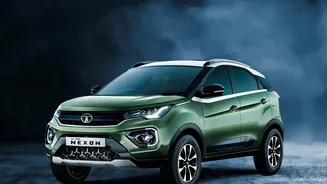
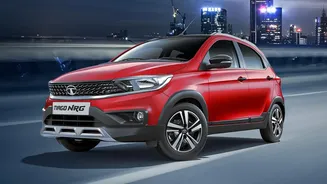
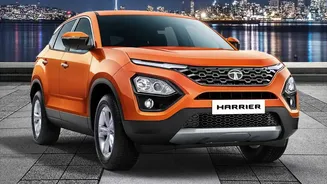
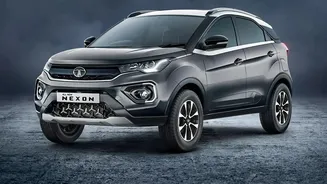
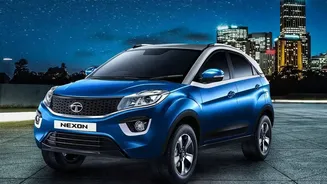
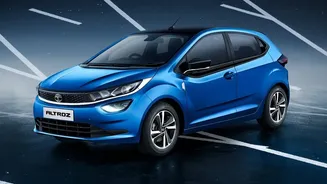
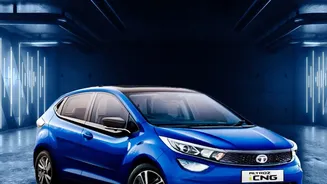
The price increase will be implemented across Tata's entire portfolio, but it won't be a flat ₹25,000 on every car. The exact amount will vary depending on the specific model and variant. This means popular cars among young buyers, such as the safety-focused Altroz, the stylish Punch micro-SUV, and the best-selling Nexon compact SUV, will all see a price revision. Even the electric vehicle range, including the Nexon EV and Tiago EV, is included in this hike. While the company hasn't detailed the variant-wise split, a hike of "up to ₹25,000" suggests premium or top-end variants will likely see the largest increase. For a prospective buyer, this means the on-road price of a top-variant Nexon, which already crosses the ₹14 lakh mark, could see a noticeable jump.
The Real Cost: Beyond the Sticker Price
A ₹25,000 increase on the ex-showroom price translates to an even higher on-road cost. Remember, the final price you pay includes RTO registration, road tax, and insurance, all of which are calculated based on the ex-showroom price. A higher base price means higher taxes and insurance premiums, pushing the total cost up further. For a young buyer likely opting for a car loan, this increase in the principal amount can affect the Equated Monthly Instalment (EMI). Even if the change seems small on a monthly basis, it adds up over a typical five-to-seven-year loan tenure. For those on a tight budget, it could mean having to provide a larger down payment to keep the EMI manageable.
The Big Question: Should You Buy Now or Wait?
This news creates a classic dilemma. On one hand, buying before September 1st guarantees you the current, lower price, potentially saving you a significant amount. If you have already done your research, taken test drives, and finalized your budget, purchasing now is a logical move. However, experts caution against making a rushed decision purely to beat a deadline. A car is a long-term commitment, and compromising on the right model, variant, or colour just because of a price hike can lead to buyer's remorse. Rushing might also mean you don't have enough time to compare insurance quotes or negotiate the best financing terms, which could cost you more in the long run. Don't let sales pressure dictate your choice; the right car for your needs is more important than a small, immediate saving.
Smart Steps for Young Buyers
Instead of panicking, use this as an opportunity to be a smarter buyer. First, contact multiple dealerships. Some may have existing inventory of your desired model that they are willing to sell at the pre-hike price, even after the official date, to clear stock. Second, be meticulous with your budget. Remember the 15-20% rule: your car EMI should not exceed this percentage of your monthly take-home salary to avoid financial strain. Third, focus on what you truly need versus what you want. Features like a sunroof are great, but essential safety features and practicalities like parking sensors and a reverse camera offer more daily value. Finally, consider a nearly-new or certified pre-owned vehicle. A one or two-year-old car from a reliable source can offer fantastic value, completely sidestepping the new car price inflation.