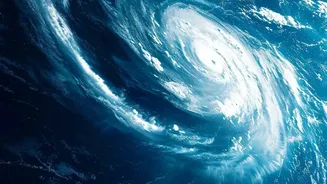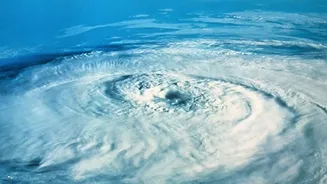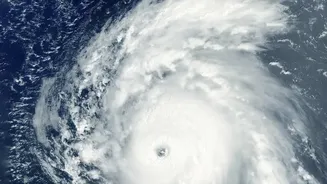


A powerful El Niño is strengthening in the Pacific Ocean, and scientists are watching with concern. This natural climate pattern is on track to be one of the strongest on record, prompting urgent questions about its impact on global weather.
What Exactly Is El Niño?
El Niño, Spanish
for 'the little boy', is a climate pattern defined by the unusual warming of surface waters in the central and eastern tropical Pacific Ocean. Under normal conditions, trade winds blow from east to west, pushing warm water towards Asia. During an El Niño, these winds weaken, allowing the warm water to shift eastward, toward the Americas. This change might seem distant, but it's powerful enough to alter the Pacific jet stream and disrupt weather patterns across the globe, influencing everything from rainfall in India to winter temperatures in North America. This phenomenon is the warm phase of the broader El Niño-Southern Oscillation (ENSO) cycle, which swings irregularly between El Niño, its cold counterpart La Niña, and neutral conditions every two to seven years.
How Strong Is the 2026 Event?
The current El Niño, which began developing in May 2026, is not just a typical event; it's shaping up to be historically significant. According to the World Meteorological Organization (WMO), the event became firmly established by August and is expected to peak in strength around December 2026. Forecasts from multiple agencies, including the US National Oceanic and Atmospheric Administration (NOAA), indicate a high probability of this being a 'very strong' El Niño, a category reached only a few times since 1950. As of mid-November, sea surface temperature anomalies are tracking closely with the historic 1997-98 event, with some models giving a 60% chance of it becoming the strongest El Niño ever recorded. The WMO and other bodies project with near-certainty that these conditions will persist into early 2027.
A Cascade of Global Disruptions
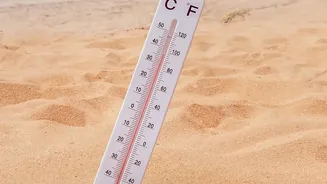
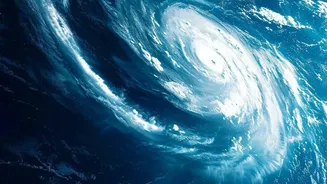
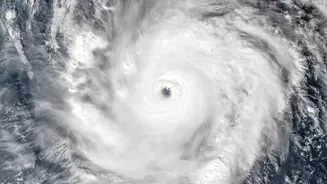
A strong El Niño acts as a massive risk multiplier for the global climate system, which is already experiencing human-induced warming. The shift in ocean heat triggers a cascade of effects. Typically, El Niño brings hotter, drier weather and increased drought risk to Australia, Indonesia, and parts of Southern Asia. Conversely, it can lead to record rainfall and flooding in parts of South America and the southern United States. This year is already seeing these patterns play out, with Fiji declaring a drought crisis and parts of Africa facing famine risk. The phenomenon also affects storm seasons, generally suppressing hurricane formation in the Atlantic while potentially fuelling more intense cyclones in the Pacific. Economically, the impacts are profound, threatening agriculture, water supplies, and energy production, with some estimates suggesting a strong event could trim global GDP.
What It Means for India
For India, El Niño's most watched impact is on the monsoon. Historically, strong El Niño events are associated with weakened monsoon rainfall and a higher risk of drought, particularly in the northern parts of the country. While the recently concluded southwest monsoon may have escaped the worst, concerns are mounting for the months ahead. Experts warn of a potentially warmer-than-normal winter and an enhanced risk of severe heatwaves during the pre-monsoon season in 2027 if El Niño's influence persists. The Indian National Centre for Ocean Information Services (INCOIS) has stated that the El Niño is likely to remain dominant until March 2027. However, officials caution that El Niño is not the sole factor; other climate drivers like the Indian Ocean Dipole also play a crucial role in shaping India's weather.
Looking Ahead: From El Niño to La Niña?
While the world braces for the peak of this powerful El Niño, climate scientists are already looking for signs of what comes next. The El Niño is expected to weaken through the first few months of 2027, transitioning toward ENSO-neutral conditions by the middle of the year. Interestingly, some early models from INCOIS and other centres suggest an increasing chance of a La Niña event developing during the 2027 Southwest Monsoon season. A shift to La Niña, the cool phase of the cycle, often brings the opposite effects and could potentially lead to an enhanced monsoon for India. However, these are early forecasts for a complex system, and for now, the immediate focus for governments and humanitarian agencies remains on mitigating the impacts of the very strong El Niño that is here and now.