






The end of the monsoon brings welcome relief from the humidity, but for many, it also signals the start of increased hair fall. Before you worry, know that nutrition can be your first line of defence in fortifying your hair from the inside out.
Why Hair Fall Increases After Monsoon
The post-monsoon
period can be tough on hair. During the rainy season, high humidity makes the scalp a breeding ground for fungal infections and dandruff, which can weaken hair roots. Hair strands also absorb moisture from the air, causing them to swell, become brittle, and break easily. This combination of a compromised scalp and weakened hair structure leads to the noticeable increase in shedding that many people experience in the months following the monsoon. Additionally, some studies suggest a natural seasonal shedding pattern in late summer and autumn, which coincides with the post-monsoon phase. This is usually a temporary issue, and strengthening your hair often starts with what you eat.
The Power of Biotin for Hair Structure
Biotin, also known as Vitamin B7, is a crucial nutrient for hair health. Its primary role is to aid in the production of keratin, the protein that makes up the very structure of your hair. A sufficient intake of biotin helps maintain the strength and integrity of each hair strand. While a true biotin deficiency is rare, ensuring you have enough in your diet supports the body's natural hair growth cycle and can help combat thinning and brittleness. For most people, a balanced diet provides all the biotin needed, making it a foundational element for resilient hair.
Biotin-Rich Foods in the Indian Diet
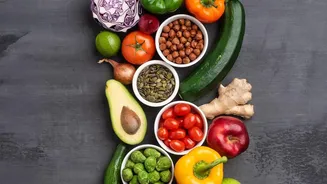
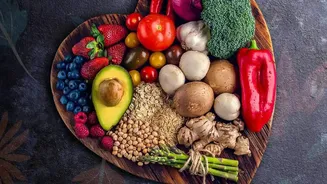
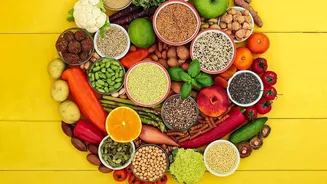
Incorporating biotin into your daily meals is simple with locally available foods. Cooked eggs are one of the best sources, with a single whole egg providing a significant amount of your daily needs. For vegetarians, nuts and seeds are excellent options; almonds, walnuts, peanuts, and sunflower seeds are particularly rich in biotin. Legumes such as lentils (dal), chickpeas (chana), and soybeans are also fantastic sources that are staples in Indian cuisine. Other accessible choices include sweet potatoes (shakarkandi), mushrooms, spinach, and whole grains like oats and ragi.
Zinc's Role in Hair Growth and Repair
Zinc is a vital mineral that plays a key role in hair tissue growth and repair. It helps keep the oil glands around the follicles working correctly, which is essential for a healthy scalp environment. Zinc is also involved in protein synthesis and cell division, two processes necessary for producing strong, healthy hair. A deficiency in zinc can disrupt the hair growth cycle and has been linked to hair loss. Therefore, maintaining adequate zinc levels is crucial for preventing shedding and encouraging robust hair growth.
Finding Zinc in Your Everyday Meals
Boosting your zinc intake is easy with many common Indian foods. For non_vegetarians, chicken and fish are good sources. Vegetarians can turn to a variety of staples. Legumes are a powerhouse, with chickpeas (chana), lentils (dal), and kidney beans (rajma) being excellent choices. Nuts and seeds, especially pumpkin seeds, cashews, and sesame seeds (til), are packed with zinc. Dairy products like paneer, milk, and yogurt also contribute to your daily zinc intake. Furthermore, whole grains such as bajra and amaranth flour offer a steady supply.
Creating a Hair_Strengthening Diet
Building a diet for stronger hair doesn't require drastic changes. It's about consistently including nutrient_dense foods. Start your day with poha topped with peanuts or a ragi dosa. For lunch, a simple meal of dal, a vegetable subzi with paneer, and a whole_wheat roti provides a balanced mix of biotin, zinc, and protein. A handful of mixed nuts and seeds makes for a perfect afternoon snack. For dinner, a chickpea curry (chole) or a dish featuring soya chunks can round out your nutritional intake. The key is variety and consistency to ensure your hair follicles get the steady stream of nutrients they need to thrive after the seasonal stress of the monsoon.