

The End of an Era, The Start of an Economy
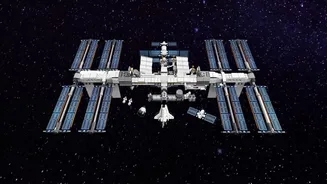
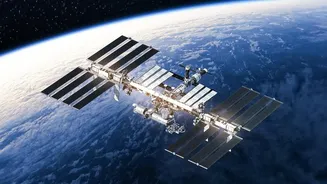
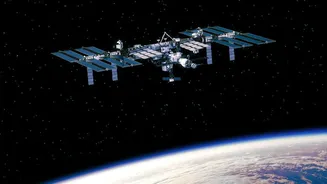
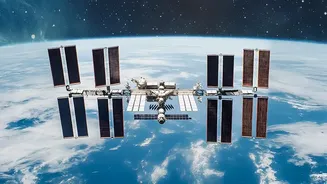
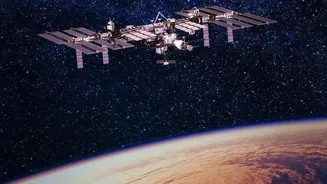
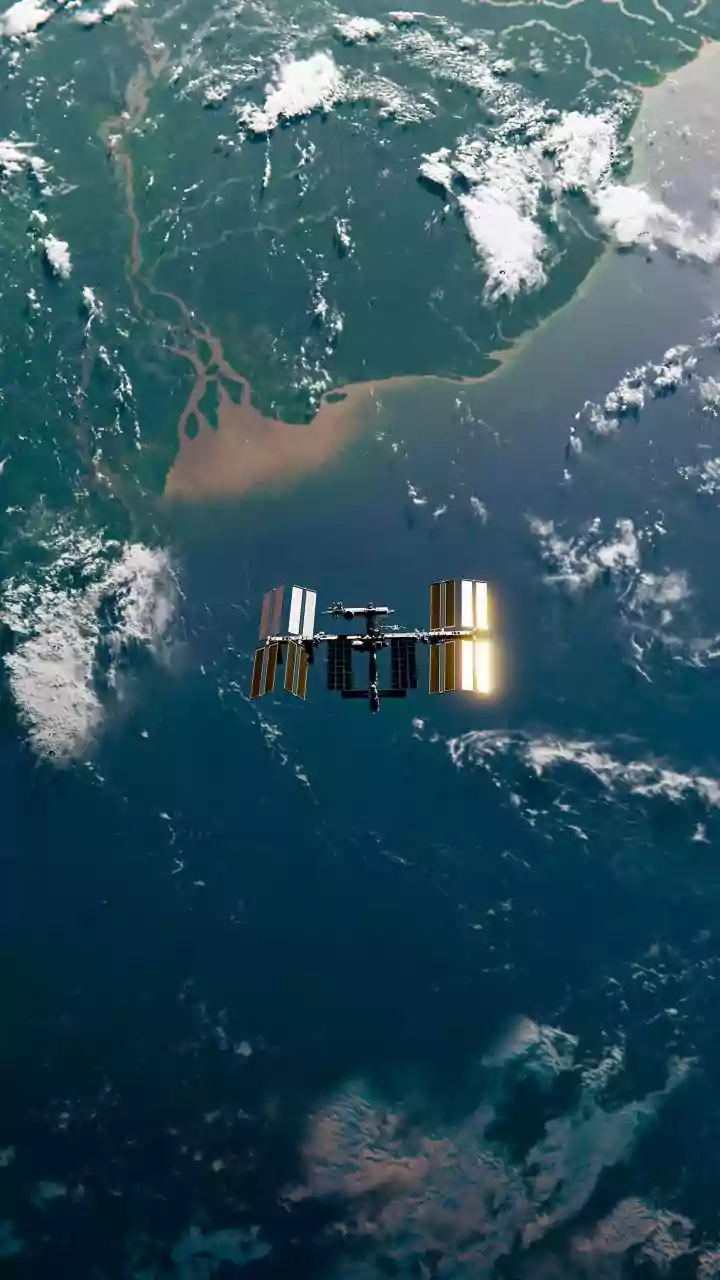
The ISS is scheduled for a controlled deorbit around 2030, concluding a mission that has hosted over 270 people and countless scientific breakthroughs. Its retirement is not an end but a transition. To prevent a gap in humanity's access to low-Earth orbit (LEO),
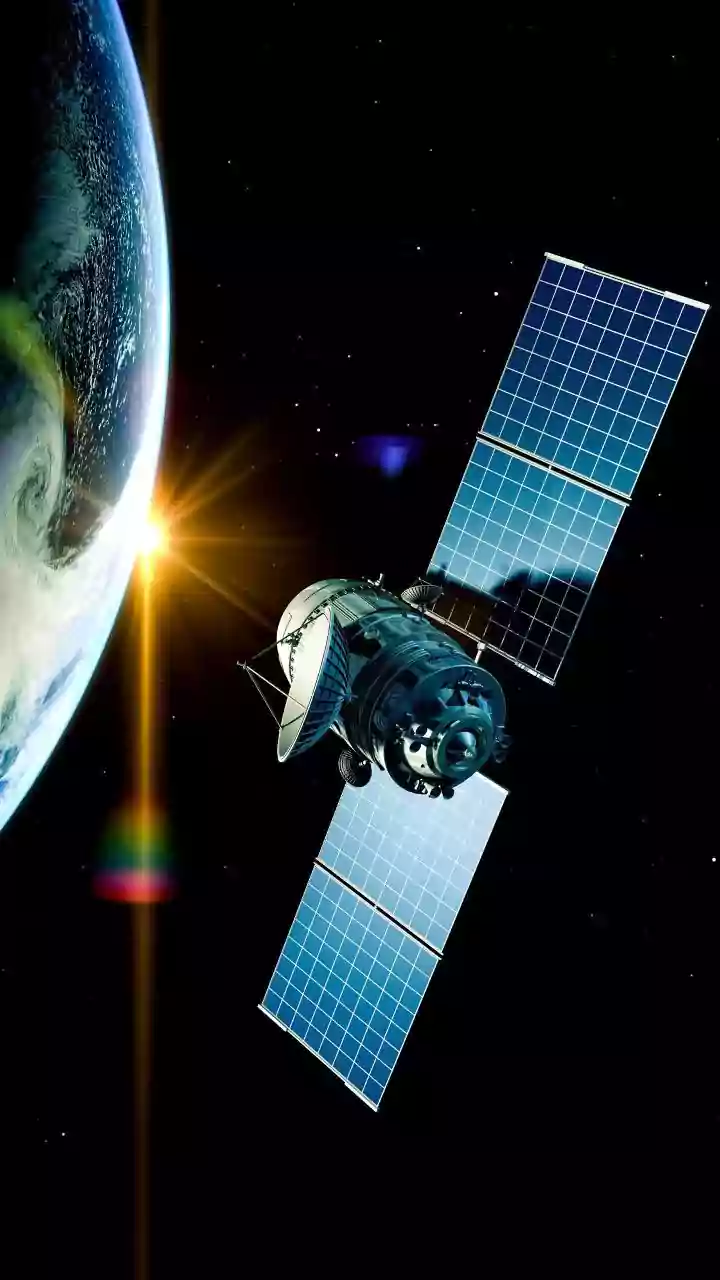
NASA is actively fostering a commercial marketplace to take its place. Through its Commercial LEO Destinations (CLD) program, the agency is seeding private companies to build, own, and operate a new fleet of orbital platforms. The goal is to shift NASA from being a landlord to a tenant, buying services and research time from a variety of commercial providers, thereby creating a robust LEO economy.
The Race to Build the Successors
Several key players are vying to become the first commercial addresses in orbit. Axiom Space is pursuing a unique transitional model; it plans to attach its first modules to the ISS starting around 2027, test them in the existing environment, and then detach to form a free-flying station before the ISS is deorbited. Another major contender is Starlab Space, a joint venture between America’s Voyager Space and Europe’s Airbus. They are developing a free-flying station designed as a science and technology park, with a target launch date of 2029 to ensure a seamless transition of microgravity research. Other ventures, like Blue Origin's Orbital Reef and Vast's Haven stations, are also developing concepts for these 'mixed-use business parks' in space.
A New Business Model for Science
These next-generation modules represent a fundamental shift in the business of space. Unlike the government-funded ISS, commercial stations will serve a diverse customer base. NASA and other international space agencies will be anchor tenants, but the platforms are designed for private industry. This opens the door for pharmaceutical companies to conduct drug development, for manufacturers to produce unique materials like exotic fiber optics that can only be made in microgravity, and for technology firms to test new hardware. The vision is an orbital ecosystem where research, in-space manufacturing, and even tourism can coexist, driving down costs and expanding access.
What Research Will They Enable?
The potential for discovery is immense. The absence of gravity allows scientists to study biological and physical phenomena in ways impossible on Earth. For instance, growing protein crystals in microgravity can lead to purer samples, helping scientists design more effective drugs. Bioprinting tissues and potentially even organs, which collapse under their own weight on Earth, becomes feasible. Materials science is another key area; creating metal alloys or fiber optics without convection and sedimentation can result in materials with superior properties. Starlab alone aims to support over 400 experiments per year, covering everything from life sciences to advanced materials research, ensuring the scientific work of the ISS continues and expands.
Challenges on the Orbital Horizon
The path forward is not without complexity. Launching and operating a space station is an immense technical and financial undertaking. Timelines are ambitious, with companies like Vast targeting a 2027 launch for its initial 'Haven-1' station, while Axiom aims to begin assembly as early as 2028. Securing a diverse and stable customer base beyond NASA is critical for these ventures to become self-sustaining. There have also been policy shifts, with NASA exploring different strategies for its CLD program to best support the burgeoning industry. Despite these hurdles, the momentum is undeniable as private investment and engineering ingenuity combine to build the next chapter of life and work in space.