




A Flurry of Price Hikes
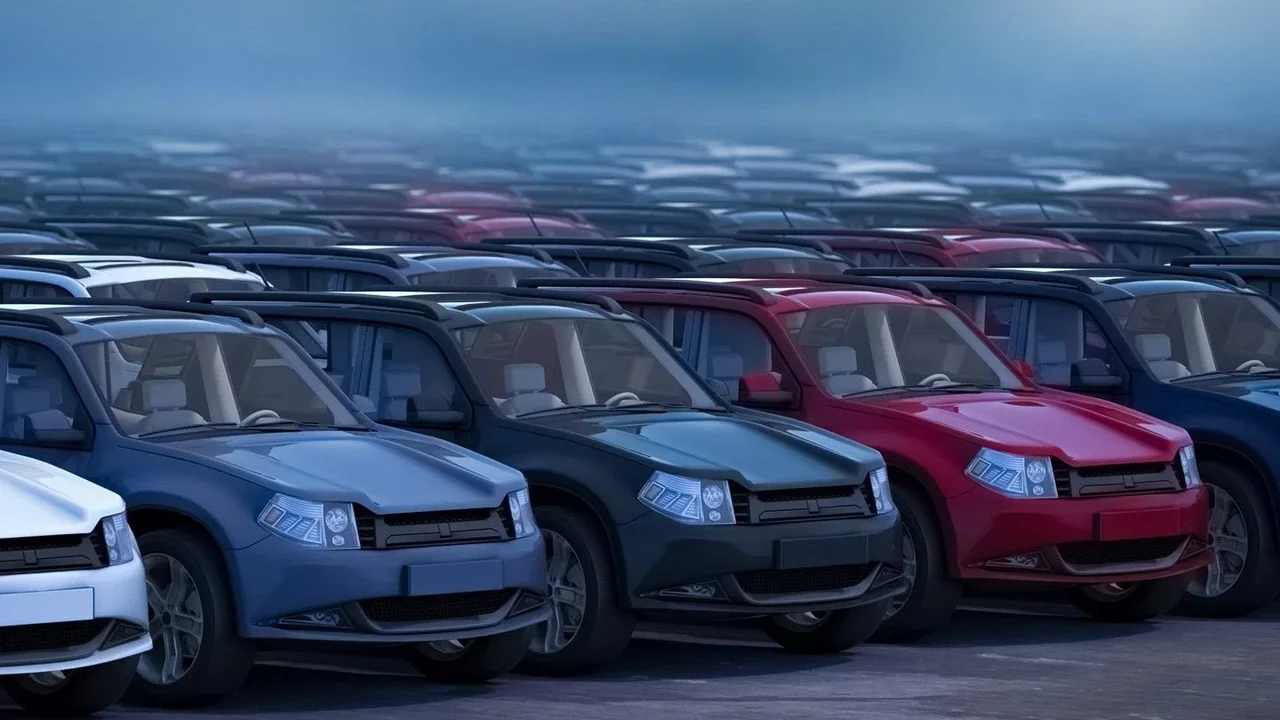
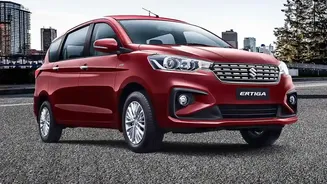
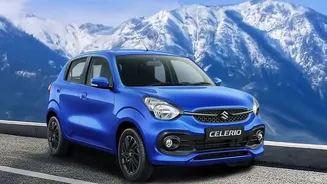
Just ahead of the festive season, India's leading car manufacturers have announced another round of price increases. In August 2026, Maruti Suzuki raised prices by up to ₹30,000. Following suit, Hyundai announced a hike of up to 1% from September, and
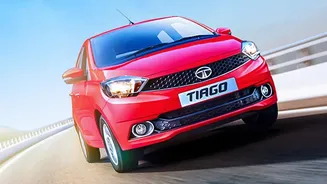
Tata Motors will increase prices by up to ₹25,000 across its models, including electric vehicles. This is not an isolated event; it's the second or even third hike for some companies this year, with Mahindra & Mahindra also having raised prices in July. Automakers universally cite persistent inflation and rising input costs as the primary drivers, stating they can no longer absorb the entire burden.
The Reasons Behind the Rise
Several factors are converging to push car prices upward. The cost of raw materials like steel and aluminium, essential for car manufacturing, has been a persistent issue. Furthermore, geopolitical and macroeconomic uncertainties affect supply chains and operating expenses. There's also the impact of regulations. The implementation of stricter BS6 Phase 2 emission norms, which require more sophisticated technology like on-board diagnostics to monitor real-world emissions, added to the production cost. Automakers are also investing heavily in newer technologies, including hybrid systems, advanced electronics, and safety features, all of which contribute to the final sticker price.
Festive Demand Meets Supply Constraints
The Indian auto industry is ramping up production to meet the expected surge in demand during the festive period, which traditionally kicks off in late August. However, high demand, especially for popular SUV models, often leads to long waiting periods. It's not uncommon for sought-after vehicles like the Mahindra Scorpio N, Hyundai Creta, or certain Tata EV models to have a waiting time of several months. Some specific Tata EV variants have waiting periods stretching up to 24 weeks. This imbalance between strong demand and constrained supply gives manufacturers and dealers less incentive to offer the deep discounts of the past, even during the high-selling festive season.
What to Expect from Festive Offers
While the headlines are about price hikes, festive offers won't disappear entirely. However, buyers should manage their expectations. The massive cash discounts of yesteryear are likely to be less common. Instead, offers may be focused on specific, slower-moving models or variants. You are more likely to see deals structured around exchange bonuses, corporate discounts, or financing schemes rather than straightforward price cuts on the most popular cars. For instance, while some brands might offer significant benefits on 2025 model-year stock, the latest models will see more modest offers. August 2026 has seen some offers, but they are often limited to specific variants or include exchange bonuses rather than large cash discounts.
A Buyer's Strategy for 2026
Given the current market, should you buy now or wait? If you have decided on a specific model, buying now could protect you from future price increases that are likely to come. However, this means you may have to forgo significant discounts. If you can wait, the year-end period in December often brings stock-clearance sales that might offer better value, but there is no guarantee that prices won't rise again before then. A smart strategy for 2026 involves flexibility. Consider being open to different variants or colours of your chosen model, as this can sometimes dramatically shorten the waiting period. Exploring the pre-owned market is another viable alternative. Finally, thorough research is key. Compare offers from different dealers and be clear on the final on-road price, including all charges, before making a commitment.