

More Than Just a Meal
A food-dispensing toy, also known as a puzzle feeder, is any object that holds food and requires your pet to work to get it out. Instead of simply eating from a bowl, your dog or cat has to push, roll, paw at, or solve a puzzle to earn their kibble. This
process taps into their innate foraging and hunting behaviors, which often go unfulfilled in a domestic setting. Studies have shown that many animals, including dogs, actually prefer to work for their food, a concept called 'contrafreeloading'. This simple change from a bowl to a puzzle provides both mental and physical engagement, helping your pet feel more confident and fulfilled.
The Dual Benefits of Puzzle Feeding
The advantages of using food toys extend beyond just preventing boredom. For pets that devour their meals in seconds, puzzle feeders are a fantastic tool for slowing them down. Eating too quickly can lead to vomiting or even more serious issues like bloat. By making the pet work for each bite, these toys promote healthier digestion. Furthermore, the mental energy they expend solving a food puzzle can be just as tiring as physical exercise. This can help reduce stress, curb destructive behaviors born from boredom, and even aid in weight management by making meals last longer and increasing activity.
Choosing the Right Toy for Your Pet
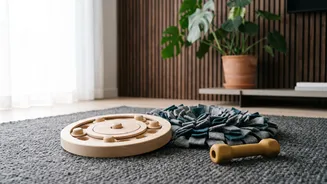
Food-dispensing toys come in a wide variety of shapes, sizes, and difficulty levels. For dogs, popular options include classic rubber toys like Kongs that can be stuffed with food, rolling treat balls like the Bob-A-Lot, and stationary puzzle boards with sliding compartments. Snuffle mats, made of fleece strips, encourage a dog's natural sniffing and foraging instincts. Cats, who are natural hunters, often enjoy puzzle feeders that require them to scoop out food with their paws or bat at a toy to release a reward. There are stationary puzzles for cats as well as mobile ones that mimic the hunt for prey. When starting, it's crucial to choose a toy that is appropriately sized for your pet and easy enough to solve to prevent frustration.
How to Introduce a Food Puzzle
A gradual and positive introduction is key to success. Start by choosing a simple puzzle and using some of your pet's favorite food or treats. Let them watch you fill the toy, and even place a few treats around it to spark their interest. For the first few sessions, make it very easy for them to get the food out. You can gently nudge the toy to show them what happens. Keep initial sessions short and rewarding to build their confidence. As your pet becomes more skilled, you can gradually increase the difficulty by adjusting the toy's settings or moving on to more complex puzzles. Never force your pet to interact with the toy; the goal is for it to be a fun and engaging activity.
Safety and Supervision First
Always supervise your pet when introducing a new toy to ensure they are using it safely. Check that the toy is the right size and durability for your pet, especially for powerful chewers who might break off and swallow pieces. It's important to inspect toys regularly for any signs of wear and tear. If you have multiple pets, it is best to feed them separately with their puzzles to prevent any food guarding or competition. Finally, remember to clean the toys regularly according to the manufacturer's instructions to maintain hygiene and keep them appealing for your pet.