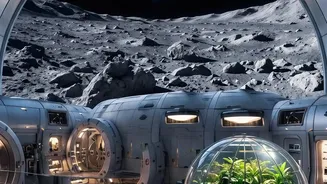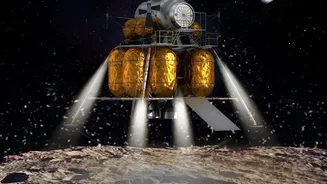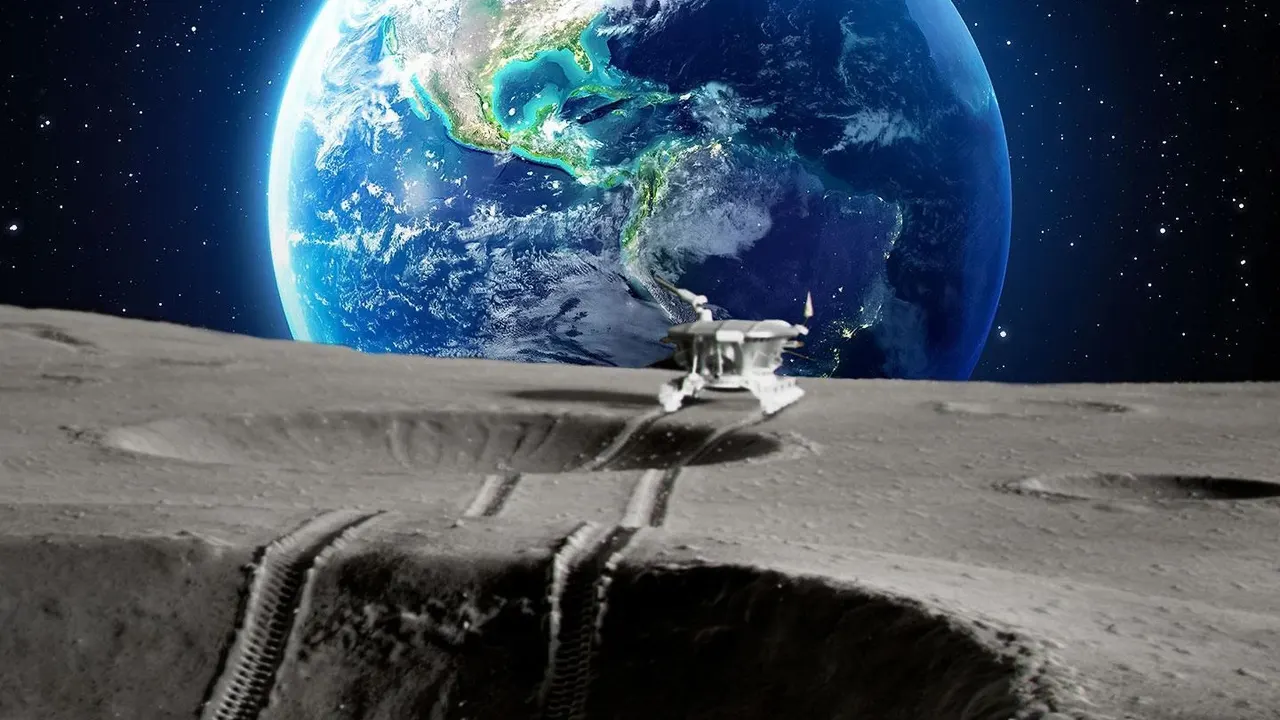




The Moon’s desolate south pole, once ignored in favour of the familiar equator, has become the most coveted real estate in the solar system. A new global consensus confirms this frigid, dark region is the primary target for humanity's return.
The Allure of Ice and Light
The main
reason for this intense focus lies in two key resources: water and light. Unlike the equatorial regions visited by Apollo astronauts, the lunar south pole contains deep craters that have been in permanent shadow for billions of years. These 'permanently shadowed regions' are incredibly cold, acting as cosmic freezers that have trapped water ice. This ice is considered lunar gold. It can be harvested for drinking water and breathable oxygen, drastically reducing the need to launch these heavy, life-sustaining supplies from Earth. More importantly, water can be split into hydrogen and oxygen, the primary components of rocket fuel. This turns the Moon from a mere destination into a potential deep-space refueling station. Complementing the darkness are 'peaks of eternal light'—crater rims or mountains so perfectly placed they receive near-constant sunlight, ideal for generating solar power to run a future base.
A New Global Space Race
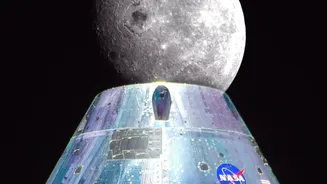
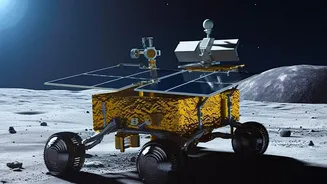
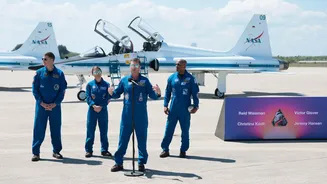
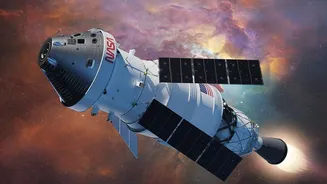
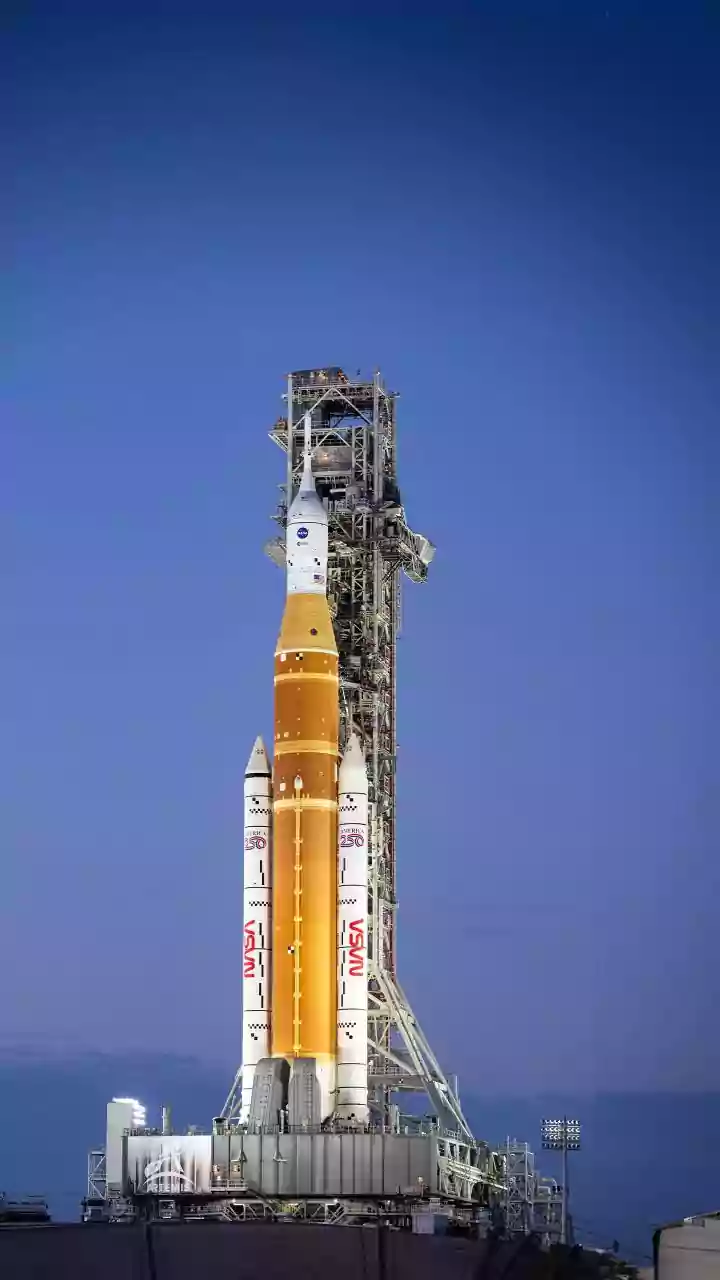
This resource potential has ignited a new, more strategic space race. NASA is all-in with its Artemis program, which aims to establish a sustained human presence, or 'Moon Base', near the south pole starting with crewed landings in 2028. In partnership with commercial companies like Blue Origin and SpaceX, NASA plans a phased approach to build a permanent outpost. But the United States is not alone. China has an ambitious, methodical program targeting the same region. Its upcoming Chang'e missions are designed to survey for resources and test technologies for an International Lunar Research Station it plans to construct there by 2035. China aims for its first crewed landing around 2030. India has also become a major player, with its Chandrayaan-3 mission successfully landing in the south polar region and providing groundbreaking data on the soil's composition and thermal properties. These findings are crucial for planning future missions and understanding the distribution of resources.
More Than Just Flags and Footprints
Unlike the Apollo era, this race is less about national pride and more about securing a long-term strategic and economic advantage. The nation or entity that first learns to effectively extract and use lunar resources—a process called in-situ resource utilization (ISRU)—will hold a significant advantage in the future space economy. A base at the south pole could serve as a launchpad for more ambitious missions to Mars and beyond, making deep space exploration more economically viable. Beyond resources, the ancient ice in these craters is a scientific treasure trove. It holds a pristine record of the early solar system, including the history of comets and asteroids that delivered water and organic materials to the inner planets, potentially offering clues about the origin of life on Earth.
An Incredibly Hostile Environment
Despite the immense promise, the lunar south pole is one of the most challenging environments humans have ever attempted to operate in. The same permanently shadowed craters that hold water ice are also among the coldest places in the solar system, with temperatures plummeting to -250 degrees Celsius. This extreme cold is brutal on equipment and astronauts. The terrain is rugged and treacherous, with steep slopes and dramatic shadows that can make landing and navigating difficult. The low angle of the sun creates long, moving shadows that complicate operations and solar power generation, requiring missions to 'follow the light' to stay powered. Communication is another hurdle, often requiring relay satellites to maintain a link with Earth. These challenges mean that robotic pathfinders and highly advanced technologies, from nuclear power sources to new space suits, will be essential for success.