


Why Monsoon Demands Extra Vigilance
The rainy season brings a dramatic increase in humidity and moisture, creating the perfect breeding ground for bacteria, mould, and other pathogens. According to the Food Safety and Standards Authority of India (FSSAI), the risk of foodborne illnesses
like gastroenteritis, cholera, and typhoid rises significantly during this time. High humidity accelerates food spoilage, while contaminated water sources can compromise the safety of fresh produce before it even reaches your home. Therefore, being mindful of what you buy and how you maintain your kitchen becomes crucial for staying healthy.
Choosing the Right Ingredients
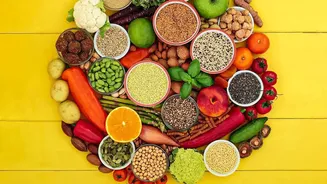
Your first line of defence is selecting produce that is fresh and less susceptible to contamination. Opt for seasonal vegetables like bottle gourd (lauki), bitter gourd (karela), pointed gourd (parwal), and cluster beans (guar). These tend to be hardier and thrive in monsoon conditions. When it comes to fruits, pomegranates, pears, lychees, and jamuns are excellent choices. It's generally advised to be cautious with leafy green vegetables, as their many layers can trap dirt and microbes that are hard to wash away. If you do buy them, ensure they are thoroughly cleaned. Avoid pre-cut fruits and vegetables, as they have a higher risk of contamination. Buy produce in smaller batches more frequently to ensure freshness and prevent spoilage.
Mastering Produce Preparation
Properly washing fruits and vegetables is non-negotiable during the monsoon. Simply rinsing under tap water is often not enough. For most vegetables, especially leafy greens and cauliflower, a good practice is to soak them in a bowl of water with salt or vinegar for about 15-20 minutes. This helps to draw out hidden pests and kill surface bacteria. After soaking, rinse them thoroughly under clean, running water. Always pat produce dry with a clean cloth or paper towel before storing or cutting, as residual moisture encourages mould growth. For firm produce like potatoes or carrots, use a vegetable brush to scrub the surface clean.
Impeccable Kitchen Hygiene
A clean kitchen is a safe kitchen, especially when humidity is high. Make it a habit to wipe down countertops, stovetops, and sinks with a disinfectant cleaner daily. Pay special attention to your chopping board; clean and dry it immediately after every use to prevent cross-contamination. Wooden boards, which absorb moisture, should be stood upright to dry completely. Replace damp kitchen towels frequently, as they can become breeding grounds for bacteria. It's also wise to run your exhaust fan while cooking to vent out steam and reduce overall humidity. Finally, keep pests at bay by storing all dry goods like flour, pulses, and spices in airtight containers and ensuring your dustbins are covered and cleared regularly.
Smart Cooking and Storage Habits
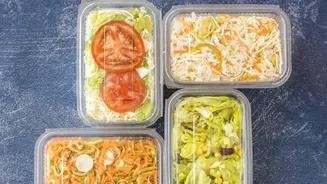
The way you cook and store food can make a big difference. During the monsoon, it is safer to consume thoroughly cooked food rather than raw items like salads or sprouts, as heat effectively kills harmful germs. If you must have a salad, consider steaming the vegetables lightly first. Always consume food while it is fresh and hot. Leftovers spoil much faster in this weather, so it’s best to cook in smaller quantities. If you do have leftovers, refrigerate them promptly in covered containers and ensure you reheat them thoroughly before eating. When it comes to meat and seafood, be extra cautious. Purchase only from reputable vendors and cook it to a safe internal temperature immediately.