



Why Millets are a Smart Choice
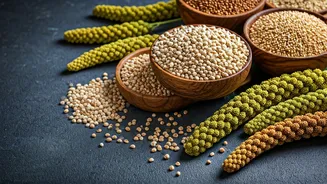
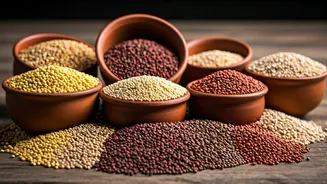
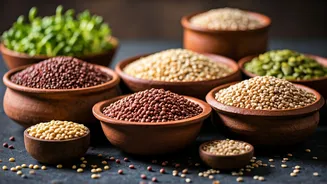
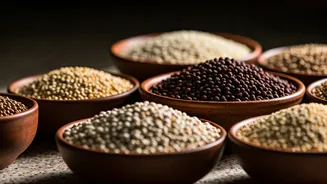
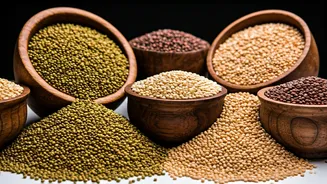
Millets are a group of small-seeded grasses that have been cultivated for thousands of years. Their resurgence is driven by a growing awareness of their immense health benefits and their climate-resilient nature. [5] They are naturally gluten-free, rich
in fibre, and packed with essential minerals like iron, calcium, and magnesium. [12, 14] Unlike polished white rice, which has a high glycemic index that can cause blood sugar spikes, most millets have a low glycemic index. [13, 15] This means they release energy slowly, keeping you fuller for longer and providing steady energy, which is perfect for managing weight and for individuals with diabetes. [14, 19] Incorporating them into your diet is a simple step towards a healthier lifestyle.
Jowar (Sorghum): The All-Rounder
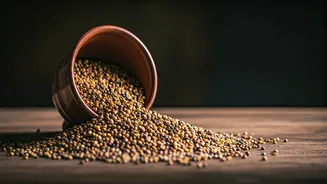
Jowar, or sorghum, is a gluten-free powerhouse popular in western and southern India. It's an excellent source of dietary fibre, protein, and antioxidants. [5] Its high fibre content aids digestion and promotes a feeling of fullness, which can help with weight management. [2] Jowar is also rich in antioxidants that support overall immunity. [2] The simplest way to use it is by making jowar rotis or bhakri, which are a fantastic alternative to wheat chapatis. [3] You can also use jowar flour to make porridge or add it to dosa batters for a nutritional boost.
Bajra (Pearl Millet): The Winter Essential
Traditionally consumed in states like Rajasthan and Gujarat, bajra is known for its warming properties, making it an ideal grain for the winter months. [2] It is incredibly dense in iron, which is crucial for preventing anaemia, and magnesium, which supports heart health. [2, 7] Bajra rotis, often enjoyed with a dollop of ghee and jaggery, are a classic winter comfort food. [2] You can also make a hearty bajra khichdi by cooking it with lentils and vegetables for a wholesome one-pot meal. [3, 10]
Ragi (Finger Millet): The Calcium King
Ragi is a true superfood, especially celebrated for its exceptional calcium content, which is vital for strong bones and teeth. [2, 7] This makes it particularly beneficial for children and women. [2] It is also rich in iron and amino acids. [2, 7] Ragi is extremely versatile and commonly used across South India. You can start your day with a nutritious ragi porridge (ragi malt), or make soft ragi dosas and idlis. [3, 4] For a healthy snack, ragi laddoos are a delicious and guilt-free option. [4, 10]
Foxtail Millet (Kangni): The Smart Rice Swap
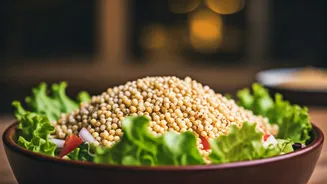
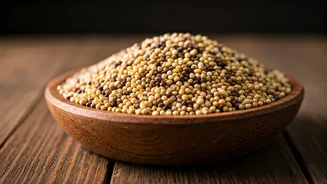
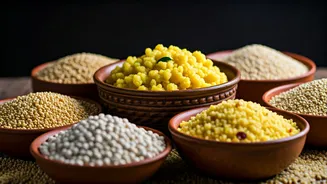
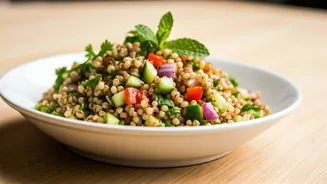
If you're looking to reduce your rice intake, foxtail millet is the perfect substitute. It has a light, fluffy texture and a slightly nutty flavour that works well in many rice-based dishes. [9, 13] Nutritionally, it outperforms white rice by a significant margin, offering nearly double the protein and about 25 times more fibre. [13] Its low glycemic index makes it an excellent choice for managing blood sugar. [13, 14] Use it to make pulao, upma, or lemon rice; it cooks just as easily as regular rice. [9, 10]
Simple Ways to Get Started
Adopting millets doesn't require a complete overhaul of your diet. Start with small, gradual changes. Try replacing one of your daily meals, like lunch, with a millet-based dish. [17] You can begin by mixing millet flour with your regular wheat flour for rotis. [18] Another easy swap is to use millets instead of rice in dishes like khichdi or pulao. [10, 17] Soaking millets for a few hours before cooking can improve their digestibility and nutrient absorption. The key is to experiment and find what you enjoy most.