





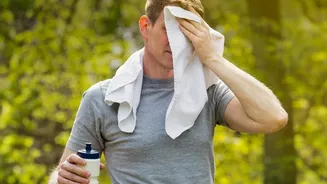
Why Rain Doesn't Always Bring Relief
The key culprit is humidity. Rain saturates the air with moisture, and when the sun re-emerges or the day remains warm, the humidity skyrockets. This creates a dangerous scenario where the actual temperature might not seem alarming, but the “feels like”
temperature, or heat index, is much higher. The human body cools itself primarily through the evaporation of sweat. When the air is already laden with water vapor, our sweat cannot evaporate effectively. This traps heat in the body, making it harder to cool down and increasing the risk of heat-related illnesses like heat exhaustion or heatstroke, even without direct, blazing sunshine.
Dressing for the Damp Heat
Choosing the right fabric is your first line of defense. While pure cotton is often praised for breathability in dry heat, some cotton blends, rayon, crepe, and georgette can be more practical in the monsoon as they dry faster. Heavy, thick fabrics that trap moisture are a poor choice. Instead, opt for lightweight, loose-fitting garments that allow for air circulation, such as A-line kurtis, flared skirts, or wide-leg trousers. These silhouettes prevent the fabric from clinging to your body, which helps you stay more comfortable. Darker colours can be practical as they don't show water spots as easily, but light colours are generally better at reflecting heat.
Pacing Your Day Intelligently
High humidity can make even simple tasks feel strenuous because your body is working overtime to stay cool. It’s wise to adjust your daily schedule to avoid overexertion during the hottest and most humid parts of the day. This is often in the period right after a rain shower when the ground is still wet and the air is thick with moisture. If possible, schedule strenuous activities, exercise, or outdoor errands for the cooler morning or evening hours. If you must be active during the day, take frequent breaks in a cooler, less humid environment to give your body a chance to recover. Pushing yourself too hard in these conditions can quickly lead to fatigue and dehydration.
Hydration Is More Than Just Water
When you sweat profusely in humid weather, you lose not only water but also essential electrolytes like salt. Replenishing these is crucial to prevent muscle cramps and dizziness, which are early signs of heat exhaustion. While drinking plenty of water is fundamental, consider supplementing with beverages that restore electrolytes. Coconut water is an excellent natural option. Oral rehydration solutions (ORS) are also effective, as are certain sports drinks. Even light, salty snacks can help your body retain the water it needs. Avoid excessive alcohol and caffeine, as they can contribute to dehydration.
Know the Early Warning Signs
It's important to recognize the early signs of heat-related illness, which can be subtle at first. Symptoms of heat exhaustion include heavy sweating, weakness or fatigue, dizziness, headache, nausea, and cool, moist skin with goosebumps even in the heat. You might also experience a fast, weak pulse. These symptoms can develop suddenly or over a period of prolonged exertion. If you or someone you're with starts to show these signs, the immediate priority is to move to a cooler place, loosen clothing, apply cool cloths, and sip water. Don't dismiss these symptoms as just the normal discomfort of a humid day.