





The Quiet Allure of Green Travel
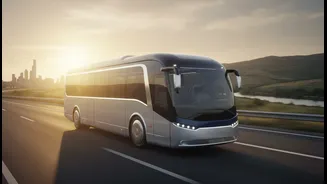
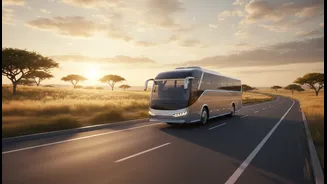
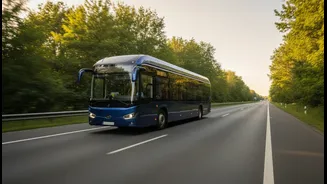
The push for electric mobility is transforming Indian public transport, with a stated goal of adding tens of thousands of e-buses to the nation's roads. For intercity travel, this heralds a new era. Operators are marketing a modern, clean, and quiet alternative
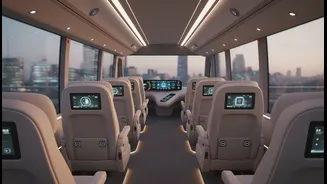
to the rumbling diesel coaches of yesterday. For passengers, the appeal is undeniable: a smoother ride, reduced noise pollution, and the sense of making an environmentally responsible choice. These buses often come equipped with modern amenities like USB charging points and online tracking, positioning themselves as a premium service. Several companies are now operating on key routes like Delhi-Jaipur, Hyderabad-Vijayawada, and Bengaluru-Tirupati, making electric intercity travel a reality for many.
Beyond AC: What 'Comfort' Really Means
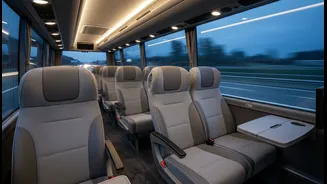
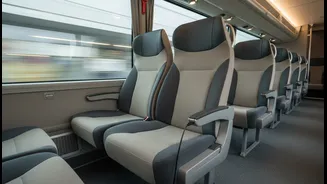
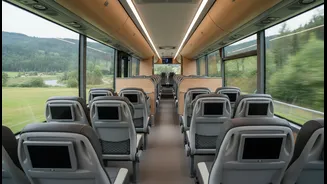
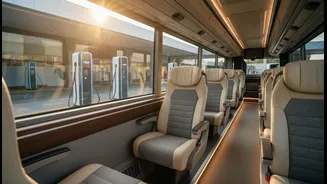
The label 'premium' often implies a comfortable journey, but comfort is more than just air-conditioning. While many new electric buses feature reclining seats and USB ports, the passenger experience is heavily influenced by factors unique to Indian road conditions. The increased weight of heavy battery packs can affect a bus's suspension, leading to a bumpier ride on uneven stretches of highway, an issue some passengers have noted. While new models boast of features like full air suspension to counter this, the actual on-road feel can vary. A quiet motor is a key selling point, but that silence can sometimes be replaced by other rattles and shakes from the bus body, which become more noticeable without a loud engine to mask them.
The Punctuality Test and Charging Pauses
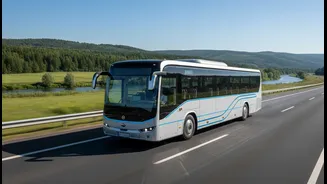
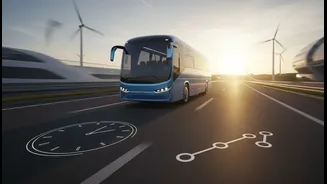
For any intercity service, punctuality is paramount. Electric bus operators often promise on-time departures and use technology for live tracking. However, the reality of 'range anxiety' is not just for the driver; it affects the passenger's schedule too. A typical electric intercity bus in India has a range of about 250-300 kilometres on a single charge, sometimes less depending on traffic and air-conditioner usage. This necessitates mid-journey charging stops, which can take anywhere from 30 minutes to over an hour with current fast-charging technology. While these are planned as rest breaks, any delay at the charging station—due to technical issues or a queue—can have a domino effect on the entire schedule. The lack of extensive, reliable public charging infrastructure on all highways remains a significant operational hurdle.
Reliability: The Unseen Infrastructure
Route reliability is not just about the bus making it from point A to B; it's about the entire support system. The success of electric highways depends on a robust network of high-capacity charging stations that are consistently operational. While India has made strides, with thousands of chargers installed, their density and reliability can be inconsistent along different corridors. For a passenger, this translates to uncertainty. A bus breakdown, which could be a minor mechanical issue on a diesel bus, becomes more complex with high-voltage EV systems, requiring specialized technicians. Furthermore, battery performance and range can be impacted by extreme weather, be it the summer heat affecting battery health or heavy monsoons. Operators are using technology to monitor vehicle health and anticipate issues, but the ecosystem for roadside assistance for electric buses is still maturing.