


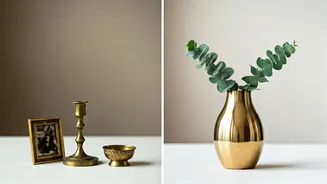


The Hunt for Heritage Brass
The first step is acquiring your canvas. You might already have a potential planter hiding in plain sight in your family home. Look for old brass or bronze (kansa) cookware that has fallen out of use—heavy-bottomed handis, wide parats, or sturdy lotas
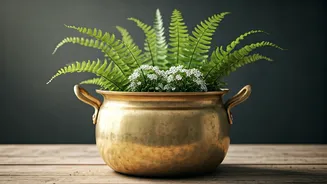
all make excellent candidates. Their weight and craftsmanship are a testament to a bygone era. If you're not raiding a family collection, local flea markets, kabadiwalas, and antique shops are treasure troves. Look for pieces with interesting shapes and a solid structure. Don't be deterred by tarnish or grime; that’s just a sign of a story, and we can easily clean it away or choose to preserve it for character.
Cleaning and Polishing Your Pot
Once you have your piece, it’s time for the revival. You have two aesthetic choices: a brilliant, mirror-like shine or a preserved, rustic patina. For a high-shine finish, a simple homemade paste of tamarind pulp and salt is a traditional and highly effective method. Apply the paste, let it sit for a few minutes, and scrub with a soft cloth or coconut coir before rinsing and drying thoroughly. Commercial brass cleaners like Brasso will also work wonders. If you prefer the aged, greenish-blue patina, a gentle wash with soap and water is all you need. This preserves the character and history of the piece, creating a beautiful contrast with the vibrant green of a plant.
Preparing for Planting
This step is crucial for the health of your plant. Metal pots without drainage will lead to waterlogged roots and an unhappy plant. You must create drainage holes. Using a power drill with a metal-specific drill bit, carefully drill three to four small holes in the bottom of the vessel. Go slow and apply steady pressure. Place the pot on a piece of scrap wood for support. To be extra cautious about potential metal leeching into the soil over time, especially with older, unknown alloys, you can use a simple preventative measure. Find a cheap plastic pot that fits snugly inside your brass vessel. This acts as a liner, keeping the soil and roots separate from the metal while still giving you the gorgeous brass exterior.
Choosing the Perfect Plant
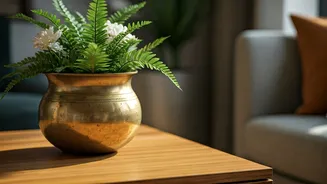
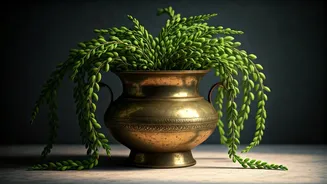
The rich, warm tone of brass pairs beautifully with a wide variety of plants. For a dramatic effect, choose plants with lush, trailing vines like a money plant (Pothos) or a string of pearls; they will spill elegantly over the metallic edge. For a more modern, sculptural look, succulents or a snake plant are excellent choices. Their strong, architectural forms create a striking contrast with the classic shape of the cookware. Consider the light conditions of the spot where you plan to place your planter and choose a plant that will thrive there. The deep green foliage against the golden or patinated brass is a timeless combination that brings life and luxury to any space.
Styling Your Statement Piece
Your upcycled creation is now ready for its debut. These planters are not meant to be hidden. Make them a focal point. Place a large, converted degchi on the floor in a living room corner, filled with a tall fiddle-leaf fig. A smaller handi can sit on a bookshelf or a side table, adding a glint of metallic warmth to your decor. Grouping several smaller brass pots of different shapes and sizes on a windowsill can create a stunning, curated display. The beauty of these pieces is their versatility; they fit seamlessly into both traditional Indian and minimalist modern interiors, serving as a conversation starter and a unique piece of living art.