


The Late-Monsoon Season: What to Expect
The river rafting season in Rishikesh typically reopens in mid-to-late September after being closed for the monsoon months of July and August. For 2026, operators are expected to begin trips around September 23rd, following safety inspections of the river's
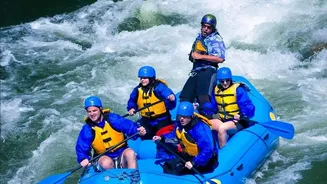
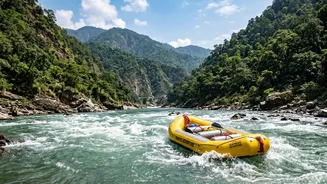
flow and water levels. Late-monsoon rafting offers a potent experience; the river is significantly more powerful than in the drier months. This makes choosing the right operator absolutely critical. Always opt for a company that is licensed by the Uttarakhand Tourism Development Board. These certified operators provide trained guides, high-quality safety gear like life jackets and helmets, and conduct thorough safety briefings before you hit the water. Do not be tempted by unusually cheap offers, as they may compromise on essential safety protocols.
For Families and First-Timers: Brahmapuri to Rishikesh (9 km)
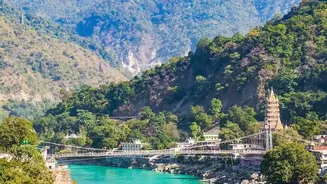
If you're new to rafting or have children in your group (typically above 8-12 years, check with your operator), the Brahmapuri stretch is your ideal starting point. Covering about 9 kilometres, this section usually takes around 1.5 to 2 hours and features the mildest rapids, classified as Grade I and II. The journey is more of a scenic float with moments of gentle excitement, making it perfect for those who want a taste of the adventure without feeling overwhelmed. You'll navigate a few fun, splashy rapids like Double Trouble and Hilton, but with plenty of calm water in between to enjoy the stunning scenery of temples and ashrams along the banks. It’s the safest introduction to the majesty of the Ganges.
The People's Choice: Shivpuri to Rishikesh (16 km)
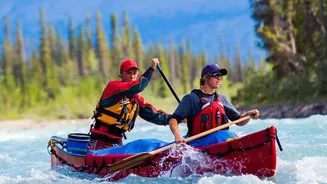
This is the most popular rafting stretch in Rishikesh, striking a perfect balance between thrill and accessibility. The 16-kilometre route takes about 3 to 3.5 hours and is packed with exciting Grade II and III rapids that have become legendary among rafters. You'll get to paddle through famous names like Roller Coaster, Golf Course, and Club House. While it's a significant step up in intensity from the Brahmapuri stretch, it's still considered suitable for adventurous beginners and those with a moderate level of fitness. Non-swimmers can participate, provided they wear their life jackets and follow the guide's instructions closely. Most trips on this stretch also include opportunities for body surfing and cliff jumping in safe zones.
For the Courageous: Marine Drive to Rishikesh (24 km)
If you've rafted before or are confident in your physical fitness, the Marine Drive stretch offers a more sustained adrenaline rush. This 24-kilometre journey can last 4 to 5 hours and features a series of challenging Grade III and even some Grade IV rapids, such as Cross Fire and Three Blind Mice. The rapids here are longer, more technical, and require committed paddling from everyone in the raft. In the immediate post-monsoon period, the high water levels make this stretch particularly powerful. It is not recommended for first-timers or those with a low fitness level. This route is for those looking for a genuine white-water challenge and a full-day adventure on the river.
Experts Only: Kaudiyala to Rishikesh (36 km)
The longest and most formidable rafting stretch, the 36-kilometre run from Kaudiyala is strictly for experienced rafters. This section contains some of the river’s most difficult rapids, including the infamous Grade IV+ rapid known as 'The Wall'. It is a demanding, high-endurance trip that requires significant strength and prior white-water experience. Given the high water volume in the late monsoon, many operators may not even offer this stretch for safety reasons, or may have very strict fitness and experience requirements. Unless you are a seasoned rafter with proven skills, it's best to avoid this section and choose a stretch that matches your true ability.
Essential Safety Checklist
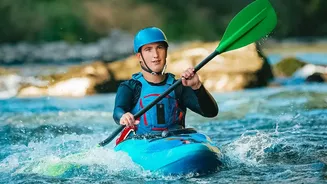
Regardless of the stretch you choose, your safety is paramount. Always wear your life jacket and helmet correctly; they should be snug and secure. Listen intently to your guide's instructions during the pre-trip briefing and on the water—they are trained professionals certified in rescue techniques. Never drink alcohol before or during a rafting trip. Wear appropriate clothing like quick-drying synthetic T-shirts and shorts, and avoid cotton which gets heavy when wet. Secure footwear like floaters or sandals with a backstrap is a must. Finally, always declare if you are a non-swimmer or have any medical conditions, so the guides can take extra precautions.