





The Hidden Downsides of Protein Bars
Protein bars have become the default snack for the health-conscious individual on the go. While they promise high protein and convenience, the reality is often more complex. Many commercial bars are highly processed, closer to a candy bar than a health food.
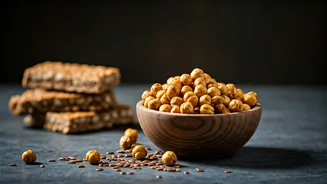
A quick scan of the ingredients list can reveal high levels of sugar, sugar alcohols that can cause digestive distress, and a host of artificial flavours, preservatives, and fillers. The protein source itself can be a low-quality whey or soy concentrate, and the actual protein content might not be as high as the flashy packaging suggests. Furthermore, they can be surprisingly expensive, with a single bar costing as much as a small meal. While not all protein bars are created equal, many fall into the category of ultra-processed foods, which studies increasingly link to negative health outcomes.
The Whole-Food Power Couple
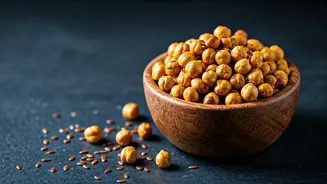
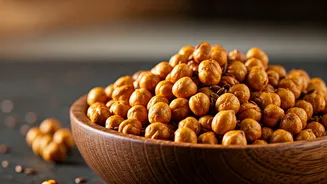
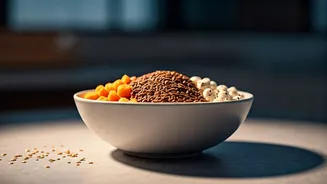
Enter the humble yet mighty combination of roasted chickpeas and flaxseeds. This isn't just a snack; it's a nutritional powerhouse made from simple, whole ingredients. Unlike a processed bar, this mix offers a synergistic blend of plant-based protein, essential fibre, and healthy fats that your body can easily recognise and use. Chickpeas provide the satisfying crunch and protein punch, while flaxseeds deliver a dose of omega-3 fatty acids and lignans. Together, they create a snack that supports sustained energy, promotes gut health, and keeps you feeling full and satisfied for longer, preventing the blood sugar spikes and crashes associated with sugary snacks.
Why Chickpeas are a Superior Base
Roasted chickpeas (chana) are the perfect foundation for a healthy snack. A single cup of chickpeas contains an impressive amount of protein and dietary fibre. The protein helps in muscle repair and growth, making it an excellent post-workout snack. The high fibre content is crucial for digestive health and plays a significant role in promoting satiety. This feeling of fullness helps curb overeating and mindless snacking later in the day. Moreover, chickpeas are a source of complex carbohydrates, which provide a slow and steady release of energy, unlike the quick, fleeting burst you get from simple sugars found in many processed bars.
The Nutrient-Dense Boost of Flaxseeds
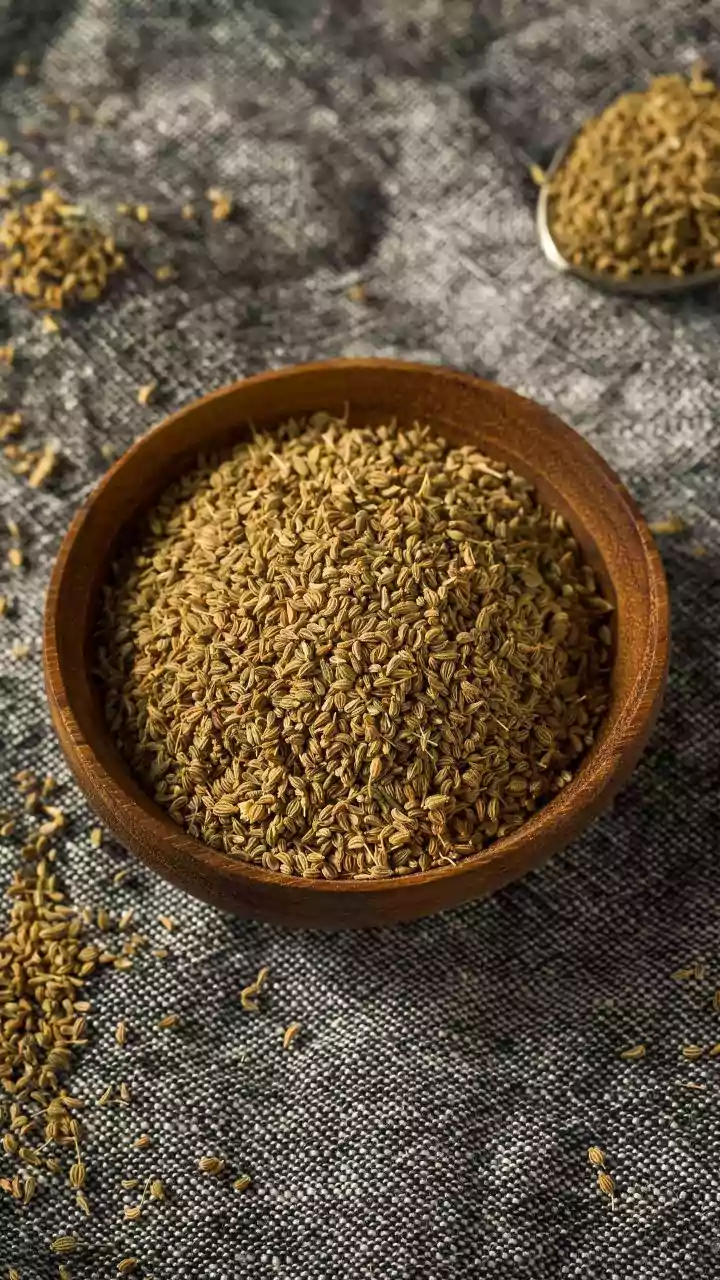
Flaxseeds (alsi) may be tiny, but their nutritional profile is immense. They are one of the richest plant-based sources of alpha-linolenic acid (ALA), a type of omega-3 fatty acid that is essential for heart and brain health. Sprinkling them into your chickpea mix adds this crucial nutrient that is often lacking in modern diets. Flaxseeds are also packed with both soluble and insoluble fibre, aiding digestion and helping to manage cholesterol levels. On top of that, they are a fantastic source of lignans, which are compounds with powerful antioxidant properties that help protect your cells from damage. Adding even a tablespoon to your mix significantly elevates its nutritional value.
Make Your Own: A Simple Guide
Creating your own roasted chickpea and flaxseed mix is incredibly simple and allows you to control every ingredient. Start with a can of chickpeas: rinse, drain, and pat them completely dry. Toss them with a teaspoon of olive oil and your favourite spices—think paprika, cumin, garlic powder, or a simple salt and pepper mix. Spread them on a baking sheet and roast at 200°C (400°F) for 20-30 minutes, or until golden and crispy. Let them cool completely; this is key to getting them crunchy. Once cooled, simply mix in a few tablespoons of whole or ground flaxseeds. You can also add other nuts and seeds like pumpkin seeds or sunflower seeds for extra texture and nutrients. Store your mix in an airtight container for a ready-to-go snack that lasts all week.
The Switch is Worth It
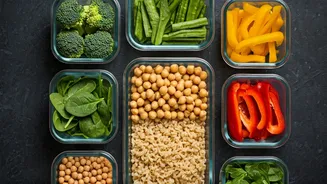
Making the change from store-bought bars to a homemade mix is a win on every front. Financially, buying chickpeas and flaxseeds in bulk is far more economical than purchasing daily protein bars. Nutritionally, you are consuming whole foods without hidden sugars, preservatives, or artificial ingredients. You have complete control over the flavour profile and can adjust the salt and spice levels to your liking. It’s a small change in your routine that can lead to significant benefits for your health, your wallet, and your taste buds. This simple act of preparing your own snack connects you more deeply with the food you eat, turning a mindless habit into a mindful, nourishing choice.