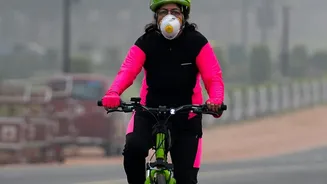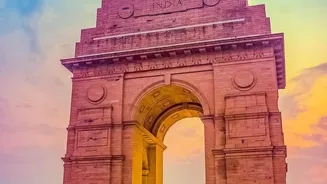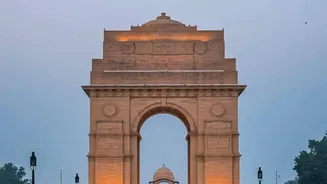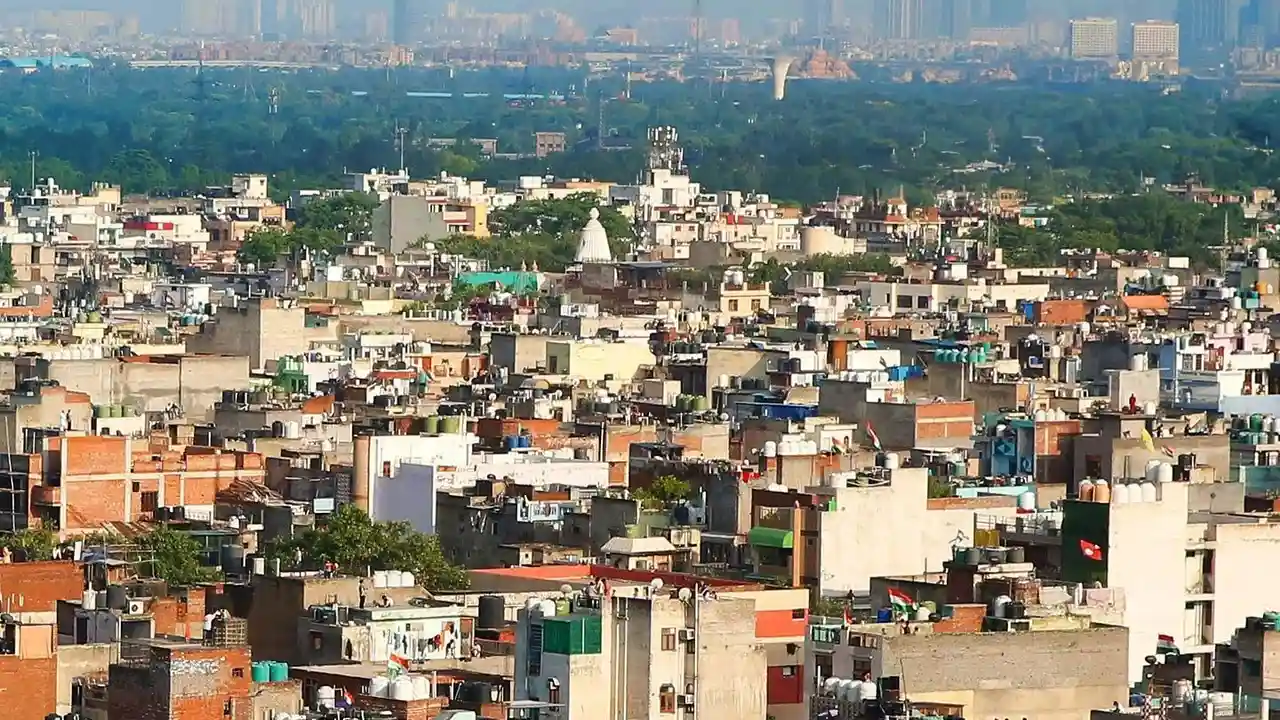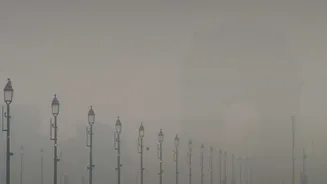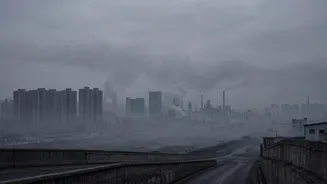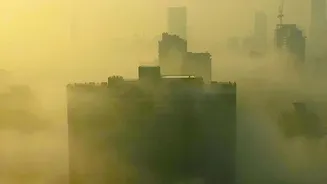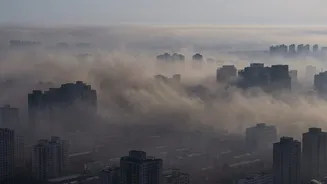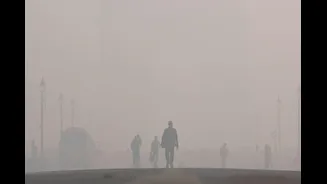





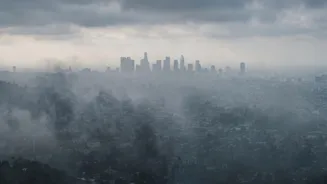
A familiar grey haze once again blankets Delhi as winter sets in, a stark reminder of the city's annual battle with toxic air. This is more than just a seasonal inconvenience; it's a public health crisis that fundamentally challenges urban life.
The Current State of the Air
As of
November 12, 2026, Delhi's air quality has settled in the 'very poor' category, with the overall Air Quality Index (AQI) recorded at 323. This follows a period where pollution levels spiked into the 'severe' range at several monitoring stations after the Diwali festival. On November 11, the city's average AQI was 303, a deterioration from the 'poor' category seen just a day before. Some areas, like IIT Delhi, have even registered 'severe' AQI levels over 400. These hazardous conditions are fueled by a combination of factors, including emissions from the transport sector, construction dust, and smoke from stubble burning in neighbouring states.
A Deep Dive into Health Consequences
The impact on public health is profound and wide-ranging. The immediate symptoms for many residents include persistent coughing, throat irritation, headaches, and burning eyes. However, the real danger lies in the fine particulate matter, PM2.5, which can penetrate deep into the lungs and enter the bloodstream. This leads to increased risks of severe respiratory and cardiovascular diseases. Children are particularly vulnerable, as their developing lungs are more susceptible to damage, which can lead to impaired lung development and more frequent asthma attacks. Beyond physical ailments, poor air quality takes a mental toll, contributing to fatigue, anxiety, difficulty concentrating, and disrupted sleep.
Daily Life Disrupted
Living in Delhi during the pollution season means making constant adjustments. The simple act of breathing fresh air becomes a luxury. Outdoor activities are curtailed, and many residents are forced to stay indoors, relying on air purifiers. Parents face the difficult decision of whether to send their children to school, with authorities sometimes shifting classes to hybrid mode. The hazardous air disrupts work, social events, and even healthcare appointments. This pervasive environmental stress affects the overall quality of life, turning everyday routines into a series of health-conscious calculations.
A Cycle of Reactive Measures
In response to the deteriorating air quality, authorities have implemented the Graded Response Action Plan (GRAP). As of early November, Stage III measures are in effect, which include a ban on BS-III petrol and BS-IV diesel fourwheelers in Delhi and surrounding NCR districts. The government has also rolled out a broader Winter Action Plan, which began on November 1. This plan includes restrictions on non-BSVI vehicles entering from outside Delhi, a ban on construction and demolition activities, and a 'No PUC, No Fuel' policy. Other measures include doubling parking fees and advising a 50% workfromhome mandate for offices to reduce traffic. While these actions aim to provide immediate relief, critics argue they are often temporary fixes to a chronic, systemic problem that requires longterm, multistate solutions.
The Hidden Economic Costs
The economic impact of air pollution is substantial, though often less visible than the smog itself. The strain on the healthcare system is immense, with rising cases of respiratory and cardiovascular illnesses leading to increased medical expenditure for both individuals and the state. Productivity suffers as the workforce deals with pollutionrelated sickness, fatigue, and difficulty concentrating. Key sectors like tourism are also affected, as the citys reputation as one of the worlds most polluted capitals can deter visitors. The frequent bans on construction and industrial activities, while necessary for air quality, also lead to economic slowdowns and job losses, creating a complex tradeoff between environmental health and economic stability.