


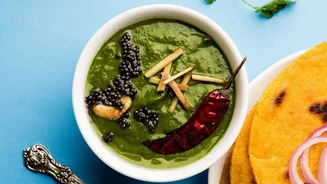
In the vibrant world of Indian cuisine, carrots and spinach are staples, adding colour, texture, and nutrition. But in the friendly contest of 'Gajar vs. Palak,' is one healthier? Let's break down their unique benefits and how to use both.
A Nutritional Showdown
When comparing
carrots and spinach, it's not about a clear winner but understanding their individual strengths. Carrots are famously rich in beta-carotene, which the body converts into Vitamin A. In fact, carrots contain significantly more Vitamin A than spinach. This vitamin is crucial for good vision, a strong immune system, and skin health. On the other hand, spinach is a nutritional powerhouse in different ways. It boasts substantially more Vitamin K, folate, iron, calcium, and potassium than carrots. For instance, spinach contains over 10 times more iron and is packed with Vitamin K, which is essential for blood clotting and bone health.
The Power of Carrots (Gajar)
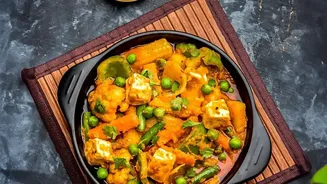
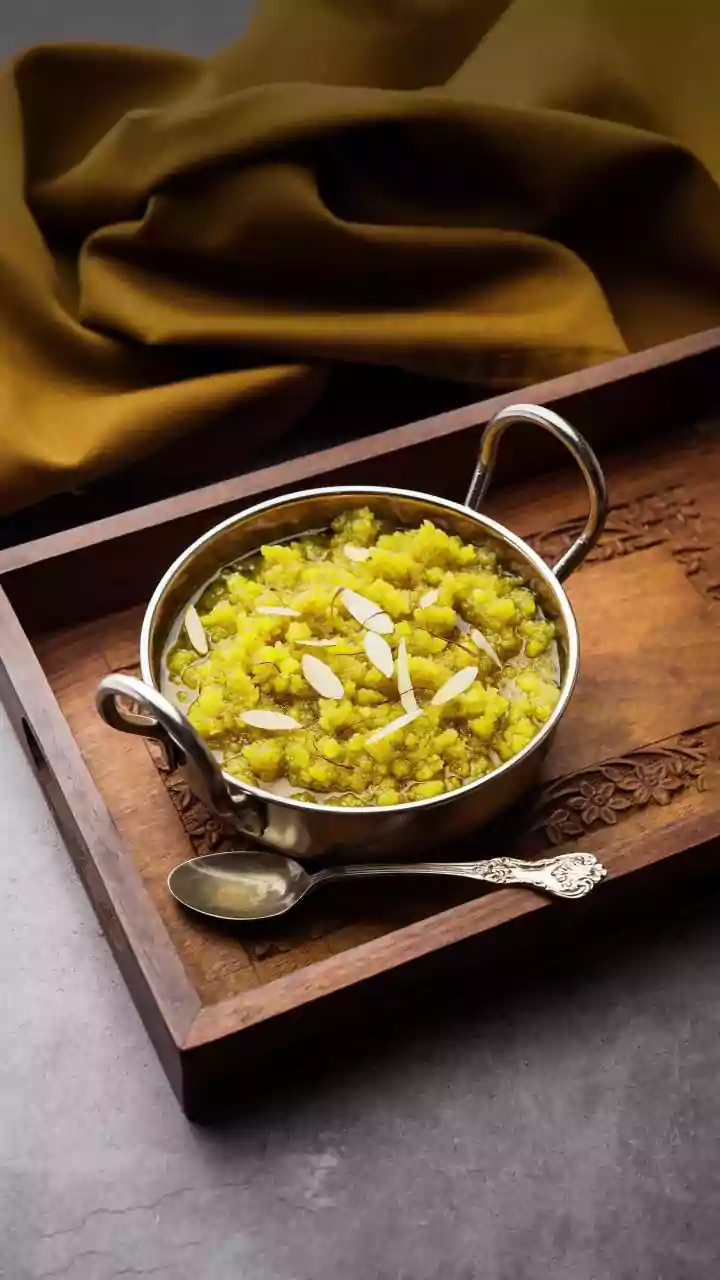
The humble carrot, or 'gajar', is a versatile root vegetable beloved across India. Its sweet, earthy flavour makes it a star in both savoury and sweet dishes. Think of the iconic 'Gajar ka Halwa', a rich dessert that's a winter staple, or the simple, wholesome 'Aloo Gajar Matar' sabzi. Nutritionally, the beta-carotene in carrots is their claim to fame. This powerful antioxidant helps protect the eyes and may reduce the risk of certain diseases. The body converts beta-carotene into Vitamin A more efficiently from carrots than from spinach. Carrots are also a good source of fibre, which aids digestion and can help manage blood sugar levels. Their firm texture holds up well in slow-cooked curries and stews, providing a pleasant bite and releasing their sweetness into the dish.
The Strength of Spinach (Palak)
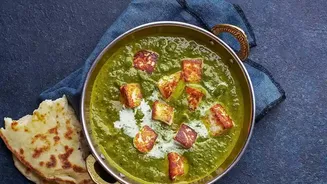
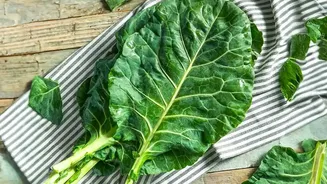
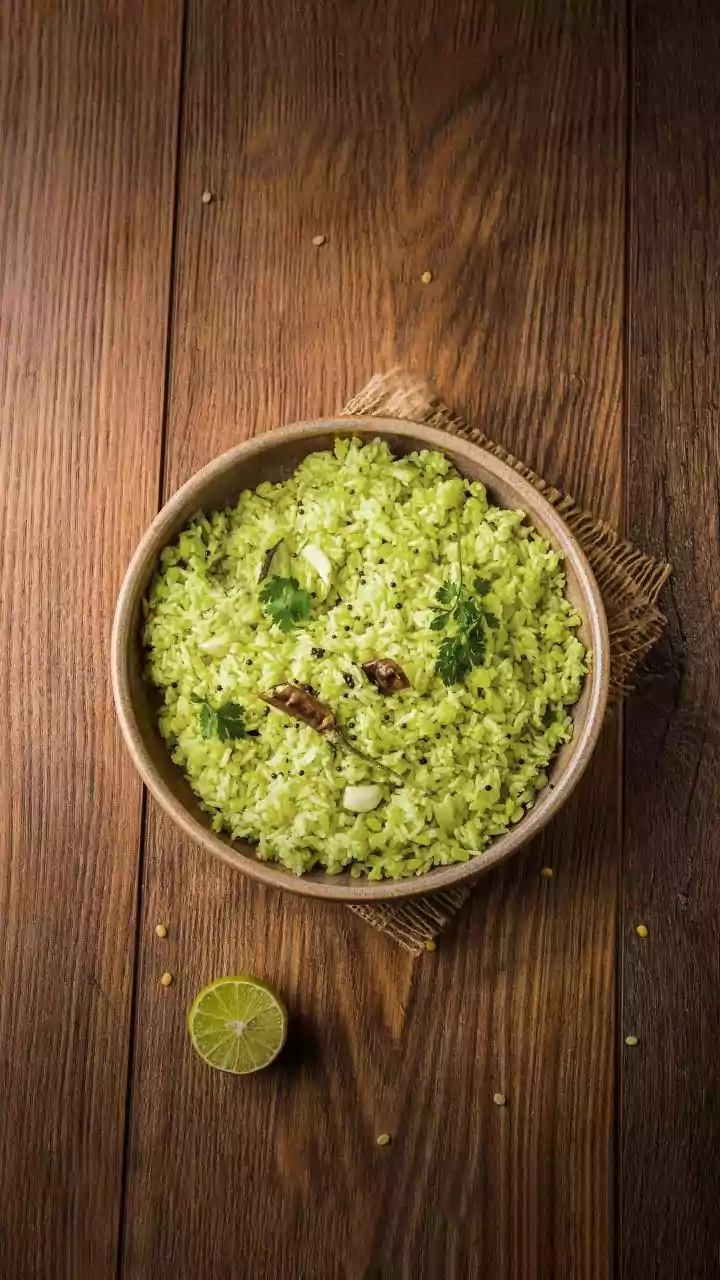
Spinach, or 'palak', is a cornerstone of Indian cooking, lending its vibrant green and silky texture to countless dishes. From the creamy 'Palak Paneer' to the robust 'Dal Palak', its ability to blend into gravies and dals is unmatched. Spinach is an excellent source of nutrients. It's loaded with Vitamin K for bone health, folate (crucial during pregnancy), and antioxidants like lutein and zeaxanthin, which are vital for eye health. While spinach is famous for its iron content, there's a catch. It also contains oxalates, compounds that can hinder iron absorption. Only a small percentage of the iron in spinach is actually absorbed by the body. However, cooking spinach and pairing it with a source of Vitamin C, like a squeeze of lemon juice, can significantly improve iron bioavailability.
Best Ways to Use Both in Indian Kitchens
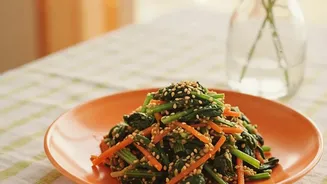
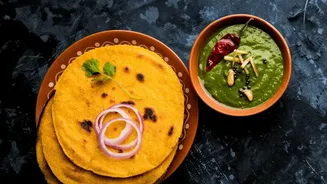
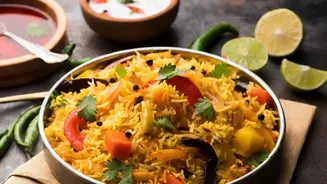
Instead of pitting carrots against spinach, the smartest approach is to use both to create balanced and flavourful meals. Their contrasting textures and flavours complement each other beautifully. Finely chopped carrots can add a subtle sweetness and texture to a 'Palak Paratha' dough. A mixed vegetable 'pulao' or 'biryani' is the perfect canvas for both diced carrots and chopped spinach, creating a colourful and nutrient-dense meal. You can also create a simple stir-fry, sautéing carrots until tender-crisp before adding spinach at the end to wilt. For a hearty soup, blend cooked carrots and spinach with lentils and spices for a modern take on 'dal'. Remember to cook spinach to reduce its oxalate content and add a fat source like ghee or oil to help your body absorb the fat-soluble vitamins (A and K) from both vegetables.