







The Body’s Secret Messenger Service
For decades, we’ve mostly thought of organs as specialists, each performing its primary function in relative isolation. The liver detoxifies, fat stores energy, and muscles contract. But a growing field of science is revealing this view is incomplete.
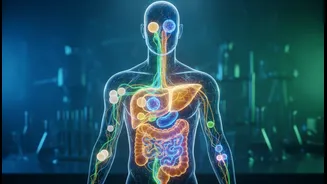
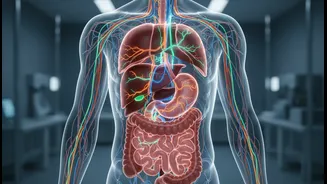
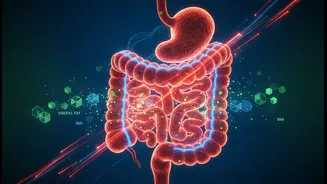
Your body is alive with constant, dynamic communication between different organs, a phenomenon known as inter-organ or organ crosstalk. This biological conversation is essential for maintaining overall health, coordinating complex processes like metabolism, energy balance, and immune responses. Think of it like a symphony orchestra; for the music to sound right, the string section needs to be in constant communication with the percussion and woodwinds. When this communication network breaks down, it can contribute to a wide range of diseases, including obesity, type 2 diabetes, and cardiovascular conditions.
Proteins: The Language of Your Organs
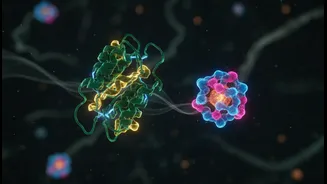
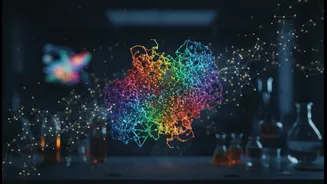
The “words” used in this intricate language are often proteins and other bioactive molecules secreted by one organ that travel through the bloodstream to influence another. These messenger proteins are given specific names depending on where they come from: adipokines are from fat tissue (adipose), hepatokines from the liver, and myokines from muscles. For example, when you exercise, your muscles release myokines that can signal fat tissue to release energy. The liver, in turn, secretes hepatokines that can influence glucose and fat metabolism throughout the body. This complex web of signals ensures your body adapts to changing needs, whether it's responding to a meal, fasting, or fighting an infection.
The Fat, Liver, and Immune Connection
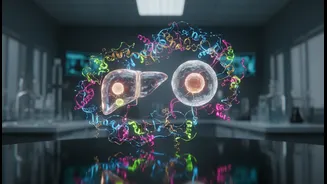
The latest research is particularly focused on the triangle of communication between fat tissue, the liver, and the immune system. We now understand that fat is not just a passive storage depot but an active endocrine organ that releases numerous adipokines. In healthy amounts, these signals are beneficial. However, in conditions like obesity, fat tissue can release pro-inflammatory signals that disrupt the function of other organs. The liver is a key recipient of these messages. Dysregulated signals from fat can contribute to conditions like non-alcoholic fatty liver disease (NAFLD). Furthermore, the liver itself sends out hepatokines that regulate the immune system. When this crosstalk goes wrong, it can create a cycle of chronic, low-grade inflammation, which is a known culprit in many metabolic diseases.
Why This Is a Potential Game-Changer
Understanding this network of signals is more than just a fascinating biology lesson; it could revolutionize medicine. By mapping how organs talk to each other, scientists can identify where communication breaks down in diseases like cancer, metabolic syndrome, and autoimmune disorders. This opens the door to developing new treatments that don't just target a single organ's symptoms but instead aim to restore healthy communication across the entire system. For instance, instead of only treating high blood sugar in diabetes, a future therapy might target a specific hepatokine or adipokine to correct the faulty signalling that caused the problem in the first place. These proteins could also serve as powerful biomarkers, allowing for earlier diagnosis of disease before symptoms become severe.
A Crucial Dose of Reality
While the potential is immense, it is critical to remember that this field is still in its infancy. As the headline wisely cautions, these are early findings. Scientists are still working to map the full network, identify all the messenger proteins, and understand their precise functions. Many studies have been conducted in animal models, and what happens in mice doesn't always translate directly to humans. The relationships between these signaling molecules are incredibly complex, with some proteins having different effects in different contexts. Developing therapies based on this knowledge will be a long and meticulous process requiring extensive research and clinical trials to ensure they are both safe and effective. It represents a new frontier, but one where the map is still being drawn.