



Why These Scraps Are Garden Gold
Not all kitchen waste is created equal, but vegetable peels and spent tea leaves are star players in the world of composting. These materials are considered 'greens', which means they are rich in nitrogen. Nitrogen is the fuel that microorganisms need
to multiply and break down organic matter efficiently. Tea leaves are particularly beneficial as they contain about 4.4% nitrogen and other nutrients that improve soil structure and water retention. As they decompose, they release these nutrients slowly, providing a sustained food source for your plants and encouraging a healthy soil ecosystem full of beneficial microbes and earthworms.
Balancing Your Compost: The Green and the Brown
The secret to fast, odor-free compost lies in balancing your nitrogen-rich 'greens' with carbon-rich 'browns'. While vegetable scraps and tea leaves provide the nitrogen, you need to add materials that provide carbon, which serves as the energy source for the decomposing microbes. Good sources of 'browns' include shredded cardboard, torn-up newspaper, dry leaves, straw, or small twigs. The ideal carbon-to-nitrogen (C:N) ratio for a fast-working compost pile is about 25:1 to 30:1. You don't need a scientific calculator for this; a simple rule of thumb is to use two to three parts 'brown' material for every one part 'green' material by volume. This balance is crucial: too much nitrogen can lead to a smelly, ammonia-like odor, while too much carbon will significantly slow down the decomposition process.
Setting Up Your Fast-Compost System
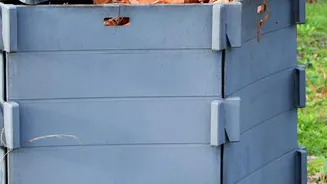
You don’t need a lot of space or fancy equipment to get started. A compost bin, a tumbler, or even a designated pile in a shady corner of your yard will work. Begin by adding a layer of bulky 'browns' like twigs at the bottom for aeration. Then, start layering your materials. Add a layer of 'greens' (your vegetable peels and tea leaves) followed by a thicker layer of 'browns' (shredded paper or dry leaves). Lightly water each layer as you go; the goal is for the pile to feel like a wrung-out sponge—moist but not waterlogged. Excess water can create anaerobic conditions, leading to a rotten-egg smell. Continue layering until your bin is full or you run out of materials, making sure to finish with a layer of browns on top to discourage pests.
The Key to Speed: Aeration and Moisture
The term 'fast' in composting refers to creating the perfect conditions for aerobic (oxygen-loving) bacteria to thrive. These microbes work most efficiently and generate heat, which further speeds up decomposition. To keep them happy, you need to turn your compost regularly. This introduces oxygen throughout the pile. For the fastest results, aim to turn the pile with a garden fork or by spinning your tumbler every three to four days. Some dedicated methods claim to produce compost in as little as 18 days with frequent turning. A more manageable schedule for many is turning it once a week. During this process, check the moisture level. If it feels dry, add a little water. If it’s too wet and smelly, add more dry 'brown' materials and turn it to restore balance.
Troubleshooting Common Compost Problems
A healthy compost pile should smell earthy and sweet, like a forest floor. If it develops an unpleasant odor, it’s a sign that something is out of balance. An ammonia smell indicates too much nitrogen ('greens'), which can be fixed by adding more carbon-rich 'browns' like leaves or cardboard and mixing well. A rotten, sulfurous smell usually means the pile is too wet and lacks oxygen. The solution is to turn the pile to aerate it and mix in more dry, bulky browns. Avoid adding meat, dairy, or oily foods to your home compost, as these are the primary culprits for attracting pests and creating foul odors.
Harvesting and Using Your Finished Compost
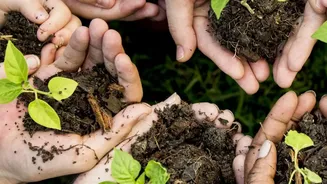
You'll know your compost is ready when it has transformed into a dark, crumbly material that looks and smells like rich, fertile soil. Depending on your method and how frequently you turn it, this can take anywhere from a few weeks to a few months. To harvest, simply remove the finished compost from the bottom of your pile or bin, leaving any unfinished materials on top to continue decomposing. This homemade 'black gold' is a powerhouse of nutrients. You can mix it into the soil of your garden beds before planting, use it as a nutrient-rich top dressing for your lawns and existing plants, or add it to potting mix for container gardening. It’s a completely natural way to improve soil health, stimulate plant growth, and reduce your reliance on synthetic fertilizers.