






Why Dampness Steals Your Space
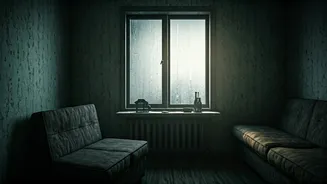
High humidity makes the air feel heavy, sticky, and harder to breathe, creating a sensation that can be described as claustrophobic. This physical discomfort changes our perception of the environment. Psychologically, when corners of a room are unusable
due to damp patches, or when furniture must be moved away from walls to prevent mould, the functional area of your home genuinely shrinks. Add in laundry that won't dry and a persistent musty odour, and the house no longer feels like a sanctuary, but a confined, oppressive space.
Spotting the Sneaky Signs
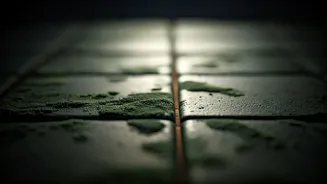
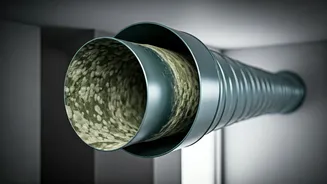
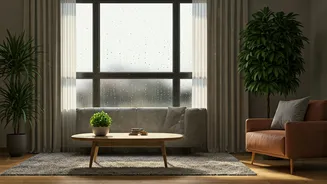
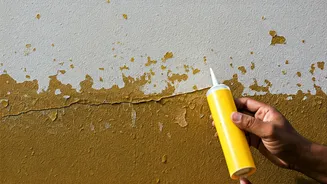
The most obvious signs of moisture trouble are visible mould patches and water stains on walls or ceilings. But the problem often starts more subtly. Look for condensation on windows and mirrors, especially in the morning. Other tell-tale signs include paint that is bubbling or peeling, wallpaper that is starting to lift at the edges, or a persistent earthy or musty smell you can't seem to air out. Your carpeting might feel slightly damp underfoot, and wooden furniture or floors may start to show signs of warping.
Finding the Common Culprits
In India, the monsoon season is a major contributor to high humidity, but issues can persist year-round. The most common internal sources are poor ventilation in bathrooms and kitchens, where steam from cooking and showers gets trapped. Structural issues are also a major cause, including hidden plumbing leaks, cracks in external walls, or inadequate waterproofing on terraces and roofs that allow rainwater to seep in. In some properties, moisture can even rise from the ground up through the foundation, a problem known as rising damp.
Your Action Plan for a Drier Home
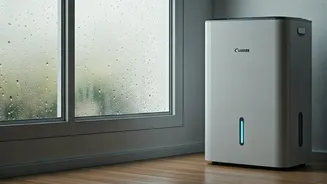
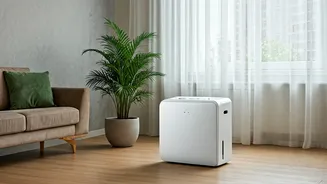
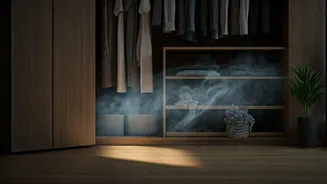
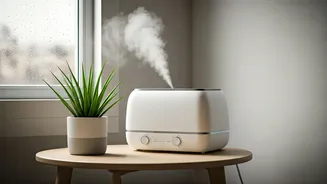
Start with immediate, low-cost actions. Improve ventilation by opening windows and doors during dry parts of the day and always use exhaust fans when cooking or bathing. For more persistent issues, a dehumidifier is highly effective at pulling excess moisture from the air. You can also use moisture-absorbing products like silica gel packs in wardrobes and cabinets. For long-term peace of mind, inspect and repair any sources of leaks. Fill cracks in exterior walls, ensure your roof and terrace drainage is clear before the monsoon, and consider professional waterproofing for vulnerable areas.
Beyond Space: Protecting Health and Home
Controlling dampness is about more than just comfort. A humid environment is a breeding ground for mould, mildew, and dust mites, which can trigger allergies and respiratory issues like asthma. The World Health Organization has documented that occupants of damp homes are at higher risk for a range of respiratory symptoms. Furthermore, prolonged moisture can cause serious damage to your home's structure, ruin wooden furniture, and even harm electronic devices, leading to costly repairs and replacements down the line.